
Blooming
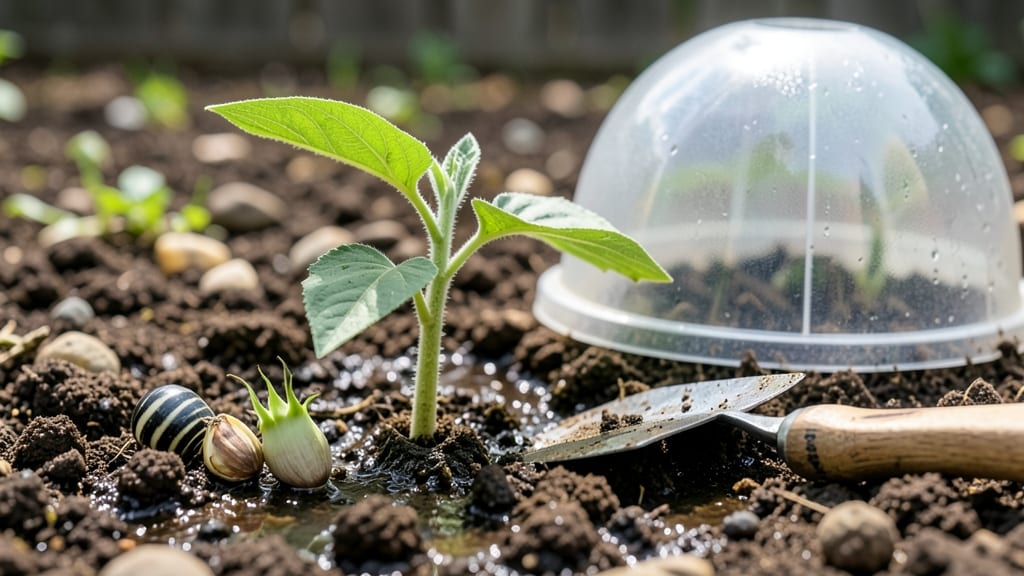
Sunflower germination timeline: when to expect sprouts by seed type
Sunflower seeds are among the fastest to sprout in the garden, but their germination speed varies by variety and growing conditions. Under ideal conditions—warm soil (70-85°F), consistent moisture, and proper depth—most sunflower seeds will sprout in just 3-5 days.
However, cooler soil or improper planting can stretch this timeline to 7-10 days or longer. Let’s break down what to expect for popular varieties and how to optimize your results.
Not all sunflowers germinate at the same speed. Dwarf varieties like Sunspot often sprout slightly faster (3-4 days) than giant types like Mammoth (4-6 days). Even small differences in soil temperature or seed quality can shift your timeline by days.
For example, seeds stored for over a year may take 1-2 extra days to crack open compared to fresh seeds.
Here’s a quick comparison of germination times for common sunflower varieties under optimal conditions:
| Variety | Germination Time (Days) | Ideal Soil Temp (°F) | Planting Depth (Inches) | Mature Height (Feet) |
|---|---|---|---|---|
| Teddy Bear | 3-5 | 70-85°F | 1 inch | 3-5 ft |
| Sunspot | 3-4 | 75-80°F | ½ inch | 1-2 ft |
| Mammoth | 4-6 | 70-85°F | 1-1½ inches | 10-16 ft |
| Autumn Beauty | 4-5 | 70-80°F | 1 inch | 5-6 ft |
| Russian Giant | 5-7 | 75-85°F | 1½ inches | 12-16 ft |
Soil temperature is the single biggest factor in sunflower germination speed. Seeds planted in soil below 50°F may take 10-14 days to sprout, while soil at 80°F+ can trigger sprouts in just 2-3 days.
Use a soil thermometer to monitor conditions—most garden centers sell them for under $10. If your soil is too cool, consider using a seedling heat mat ($15-$25) to maintain warmth until sprouts appear.
Planting depth also plays a role. Sunflower seeds need light to germinate, so bury them only ½ to 1½ inches deep, depending on the variety. Planting too deep (over 2 inches) can delay sprouting by 3-5 days as the seed struggles to reach the surface.
For dwarf varieties like Sunspot, a shallower depth of ½ inch is ideal, while larger types like Mammoth tolerate 1-1½ inches of coverage.
Moisture is another critical factor. Sunflower seeds need consistent moisture but will rot if overwatered. After planting, keep the soil evenly moist (not soggy) by watering lightly every 1-2 days until sprouts emerge.
A spray bottle works well for gentle hydration without disturbing seeds. Once sprouts appear, increase watering to 1 inch per week, focusing on the soil around the base of the plant.
What do healthy sunflower sprouts look like? Within 3-5 days, you’ll see a tiny hook-shaped shoot (the radicle) break through the soil, followed by the first cotyledon leaves (the seed leaves) unfolding in 5-7 days.
These leaves are thick and heart-shaped, providing energy for the seedling until true leaves develop. If sprouts appear pale or leggy, they’re likely stretched from insufficient light—consider moving them to a sunny windowsill or using a grow light.
If your
5 Proven methods to speed up sunflower sprouting in 3-5 days
If you're eager to see those cheerful sunflower sprouts emerge quickly, you're not alone! Most gardeners expect germination in 7-14 days, but with the right techniques, you can cut that time in half.
The secret lies in creating the perfect germination environment—one that mimics the warm, moist conditions sunflower seeds love in their native habitats.
Sunflowers thrive when soil temperatures stay between 70-90°F (21-32°C), but cooler soils slow them down dramatically. Even a 5°F (3°C) drop can double sprouting time. That's why I've tested these five methods to help you break through the soil barrier faster—without sacrificing plant health.
Place seeds in warm water (70°F/21°C) to kickstart hydration. Drain before planting to prevent rot.
Bottom heat accelerates germination by 30-50%. Ideal for indoor starts or cool spring soils.
Deeper planting (2+ inches) forces seedlings to work harder, delaying emergence by 3-5 days.
Use a spray bottle to maintain 60-70% soil moisture. Avoid soggy soil—it causes rot before sprouts appear.
Overcrowded sprouts compete for nutrients, slowing growth. Space them 6-12 inches apart when first leaves appear.
One mistake I see often is planting seeds too early in cool soil. If your soil temperature drops below 50°F (10°C), germination can stall for weeks. Always check with a soil thermometer—it's the single most reliable predictor of sprouting speed.
Another common pitfall is overwatering, which creates anaerobic conditions that suffocate seeds before they even sprout.
For best results, combine pre-soaking with heat. I've seen sunflower seeds sprout in just 3 days using this combo, especially with varieties like Sunspot or Mammoth. The key is consistency—maintain those warm, moist conditions until you see the first green hooks pushing through the soil.
Once sprouts appear, move them to brighter light immediately to prevent leggy growth.
Remember, even with these methods, some seeds may take up to 10 days to sprout. If you've followed all steps and still see no progress after a week, it's time to troubleshoot—poor seed viability or fungal issues might be at play.
But with the right approach, you'll be admiring those sunflower seedlings in record time! 🌱