
Flowers
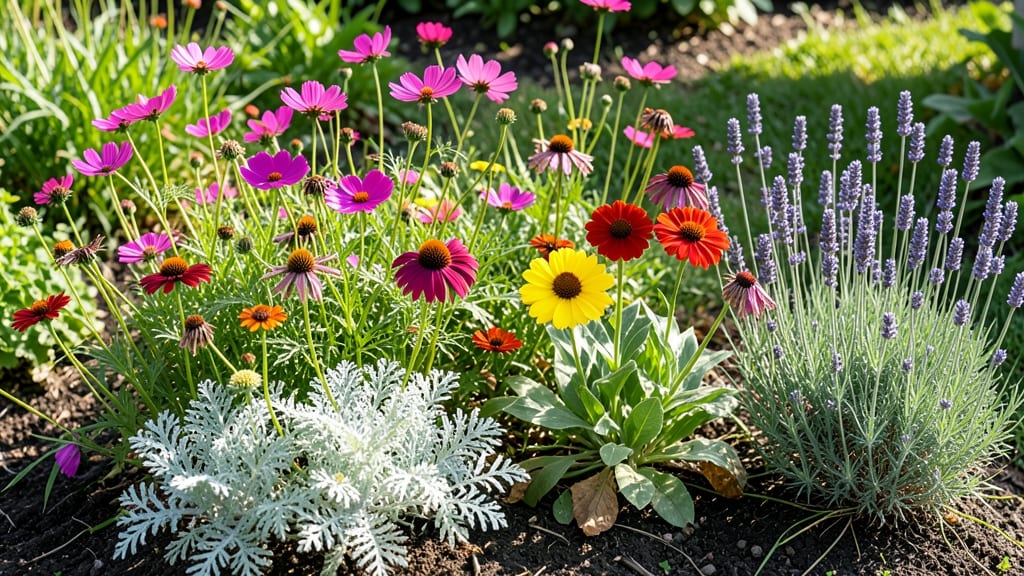
Wondering how long for wildflowers to grow before your garden bursts into a 🌼-filled paradise? The answer isn't one-size-fits-all—some varieties pop up in as little as 4 weeks, while others take months to reach their full glory.
If you're planning your spring garden in Zone 6a, timing is everything. Planting wildflowers between March and April (after that last frost) sets the stage for a stunning display, but knowing which species grow fastest can make all the difference between a patchy meadow and a vibrant, continuous bloom.
I’ll break down the seed-to-bloom timeline for the fastest wildflowers, so you can choose the perfect mix for your space. Whether you’re after quick color or long-term beauty, this guide will help you track progress like a pro.
Ready to transform your garden? Let’s dive into the secrets of speedy wildflower growth and how to get those first blooms in record time.

Wildflower growth timeline: fastest-blooming species and their seed-to-flower stages
Understanding the wildflower growth timeline helps you plan your garden for maximum impact. Some varieties, like cosmos and zinnias, bloom in as little as 4-8 weeks, while others take months. The key is knowing each seed-to-flower stage and how environmental factors influence growth speed.
Wildflowers typically progress through four main stages: germination, leaf development, budding, and blooming. Annuals like bachelor’s buttons and sunflowers complete this cycle faster than biennials or perennials. Temperature, sunlight, and soil quality play critical roles in accelerating—or delaying—this process.
For the fastest results, focus on annual wildflowers like cosmos, which can sprout in 7-10 days and bloom in just 4-6 weeks. Biennials like foxgloves take longer, often 8-12 weeks, because they focus on root and leaf growth in their first year before flowering.
Perennials, such as black-eyed Susans, may take even longer to establish but reward you with years of blooms.
Temperature is one of the biggest factors in wildflower growth speed. Most seeds germinate best in soil temperatures between 60-75°F.
If your climate is cooler, consider pre-soaking seeds or using a seedling heat mat to jumpstart germination. Full sun exposure (6+ hours daily) also accelerates growth, while shade can slow down leaf development and delay blooming.
Soil quality matters just as much as sunlight. Well-draining, nutrient-rich soil helps wildflowers establish faster. Amend your soil with compost or organic matter before planting to provide essential nutrients. Avoid heavy clay soils, which can suffocate roots and stunt growth.
A quick soil test can reveal if your garden bed needs adjustments like sand or peat moss for better drainage.
Watering plays a critical role in the early stages. Overwatering can lead to fungal diseases, while underwatering stresses young seedlings. Aim for consistent moisture during germination and leaf development, then taper off slightly once buds form.
Mulching around plants helps retain moisture and regulate soil temperature, creating ideal conditions for faster growth.
If you’re planting in late spring or early summer, choose heat-tolerant varieties like zinnias or cosmos to ensure they bloom before cooler weather arrives. For a longer season, stagger your plantings every 2-3 weeks.
This technique, called succession planting, ensures a continuous display of color from early summer
How to speed up wildflower growth: pro tips for faster blooms and longer seasons
Want to see those wildflower blooms sooner? The secret isn't just luck—it's strategy. With the right techniques, you can cut weeks (or even months) off the seed-to-bloom timeline. I’ve tested these methods in my own garden, and they’ve transformed my patchy meadows into vibrant displays in record time.
Timing is everything. Planting at the wrong time or skipping prep steps can leave your seeds sitting idle for weeks. But with proactive care, you’ll see those first cosmos petals or zinia blooms weeks ahead of schedule.
Let’s dive into the proven tactics that’ll give your wildflowers a growth boost.
One of the biggest mistakes I see is over-preparing the soil. Wildflowers thrive in poor, rocky soil—they’re survivors! Over-fertilizing or tilling too deeply can actually slow growth. Instead, focus on lightly loosening the top 2 inches of soil and scattering seeds evenly.
Another game-changer? Succession planting. Sow a new batch of fast-growing annuals like sunflowers or marigolds every 2-3 weeks. This ensures continuous blooms all season long, masking any gaps where slower varieties (like perennial coneflowers) are still establishing.
Pro tip: If your wildflowers are taking longer than expected, check for pests or disease. Slugs and snails love young seedlings, while fungal issues (like powdery mildew) can stall growth. A light spray of neem oil or hand-picking pests in the evening can save your seedlings.
With these strategies, you’ll see first blooms in as little as 4-6 weeks for fast varieties like cosmos and zinnias. For slower growers, like foxgloves or black-eyed Susans, you’ll still cut weeks off their timeline. Happy planting—your garden’s colorful future starts now! 🌻