
Blooming
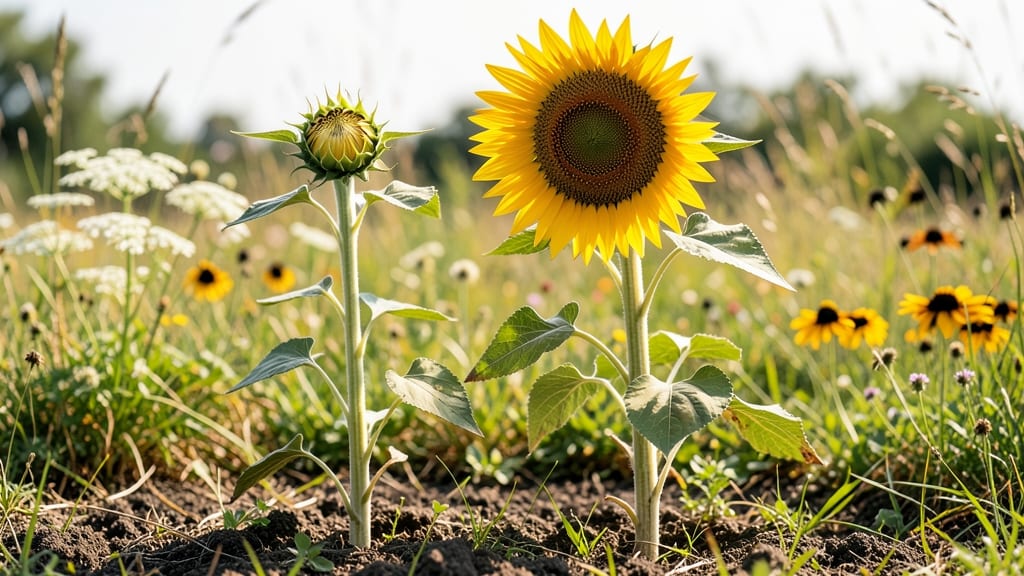
If you've ever planted sunflowers hoping for a quick burst of color, you know the wait can feel endless—especially when some varieties bloom in just 50 days while others drag out to nearly 120 days.
The difference isn’t just luck; it’s all about choosing the right variety and giving your 🌻 the perfect growing conditions.
Understanding how many days for sunflowers to bloom isn’t just about patience—it’s about planning. Whether you’re aiming for a summer harvest, coordinating with pollinators, or simply wanting to enjoy those cheerful faces sooner, timing is everything. I’ll break down the fastest and slowest bloomers so you can set realistic expectations.
But here’s the game-changer: small tweaks in sunlight, soil, and watering can shave weeks off your wait. Learn which factors speed up blooming and how to troubleshoot delays like bud drop or slow growth.
By the end, you’ll know exactly how to coax your sunflowers into full, vibrant bloom—faster than you thought possible.
Ready to turn your garden into a sunflower paradise? Let’s dive into the varieties, stages, and secrets that make all the difference in your blooming timeline.
Sunflower bloom time by variety: fastest to slowest bloomers explained
If you're eager to see those bright sunflower blooms light up your garden, the variety you choose makes all the difference. Some dwarf sunflowers like 'Teddy Bear' pop open in just 50 days, while towering Mammoth varieties can take up to 120 days to reach their full glory.
This isn't just about waiting—it's about planning your garden layout, coordinating with pollinators, and even timing your harvest for seed collection.
The secret to faster blooms lies in matching the right variety to your growing zone and seasonal conditions. For example, early-season bloomers like 'Sunspot' thrive in cooler climates, while late-season giants need long, warm summers to reach their potential.
Let's explore the fastest and slowest bloomers so you can set realistic expectations and maximize your garden's impact.
For the fastest results, dwarf varieties like 'Sunspot' and 'Teddy Bear' are my top picks. These early bloomers reach maturity in just 50-60 days, making them perfect for container gardens or adding quick color to borders.
Their smaller stature also means they require less support and are less likely to topple in windy conditions. Plus, their shorter bloom time aligns perfectly with summer pollinators like bees and butterflies.
If you're dreaming of dramatic giant sunflowers, be prepared for a longer wait. Varieties like Russian Giant and Mammoth take 80-120 days to bloom, but the payoff is worth it.
These towering beauties can reach heights of 10-16 feet, making them ideal for creating focal points in your landscape. To speed up their growth, focus on providing rich, well-draining soil and consistent moisture during their development.
The key to faster blooming isn't just about the variety—it's also about growing conditions. For example, planting early-season varieties in warmer climates can shave off days from their bloom time. Conversely, cooler temperatures or shorter daylight hours can delay blooming, especially for late-season giants.
Always check your last frost date and plant accordingly to give your sunflowers the best possible start.
Don't forget that soil quality plays a crucial role in bloom time. Amending your soil with compost or a balanced fertilizer can provide the nutrients your sunflowers need to grow quickly and strongly.
I recommend a 5-10-10 NPK ratio to encourage both foliage and flower development. For container-grown sunflowers, use a high-quality potting mix and ensure your pots have drainage holes to prevent root rot.
Another pro tip: deadheading spent blooms can encourage your sunflowers to produce more flowers, extending their display. This is especially useful for varieties like Moulin Rouge, which are known for their long-lasting blooms.
Simply snip off the faded flowers just above a set of leaves to promote new growth. Just be sure to wear gloves—those stems can be prickly!
For gardeners in shorter growing seasons, consider starting your sunflowers indoors or using row covers to extend the season. This can help you squeeze in an earlier planting and potentially see blooms a few weeks ahead of schedule.
Just be sure to harden off your seedlings before transplanting them outdoors to avoid shock.
Finally, remember that sunlight is non-negotiable for sunflowers. These plants thrive on 6-8+ hours of direct sunlight daily. If your garden is shady, opt for dwarf varieties that can tolerate slightly less light, or consider growing them in containers where you can move them to sunnier spots as needed.
A little extra sunlight can make a big difference in how quickly your sunflowers reach their full potential.
5 Key factors that speed up or delay sunflower blooming (and how to control them)
Sunflowers are resilient, but their blooming timeline depends heavily on five critical factors you can control. From sunlight exposure to soil warmth, each plays a starring role in whether your plants burst into vibrant blooms in 50 days or drag out to 100+ days.
Let’s break down how to optimize each for faster, healthier flowers.
The fastest bloomers like Sunspot or Teddy Bear varieties can reach maturity in just 50-60 days under ideal conditions, while giants like Mammoth may take 100-120 days.
The difference? It’s all in the growing conditions. By tweaking these five factors, you can shave weeks off your wait time—even for slow-growing varieties.
- 🌱 Sunlight: 6-8+ hours daily cuts bloom time by 20-30%. Shade delays blooming by 3-4 weeks.
- 🌡️ Soil Temperature: Warmer soil (70°F+) speeds germination and blooming by 10-15 days.
- 💧 Watering: Consistent 1-2 gallons weekly prevents stress, while overwatering delays blooms by 2-3 weeks.
- 🌿 Fertilizer: Balanced 5-10-10 NPK applied every 4-6 weeks boosts growth and blooming speed.
- 📏 Spacing: 12-24 inches apart ensures strong stems and faster blooming; crowding delays by 1-2 weeks.
First on the list is sunlight exposure, which is non-negotiable for sunflowers. These plants thrive in full sun (6-8+ hours daily), and even slight shade can stretch your blooming timeline by 3-4 weeks.
I’ve seen Sunspot varieties bloom in just 50 days when planted in a south-facing garden bed, while the same plants in partial shade took 70+ days. Use reflective mulch or mirrors to bounce extra light onto taller varieties.
Next, soil temperature directly impacts germination speed and overall growth rate. Sunflowers sprout fastest in soil that’s at least 70°F, which can shave 10-15 days off your blooming timeline.
If your spring soil is still cool, consider using black plastic mulch or planting in raised beds to warm the soil faster. I’ve found that starting seeds indoors in biodegradable pots and transplanting after soil warms up cuts the wait time significantly.
Watering might seem straightforward, but frequency and consistency make all the difference. Sunflowers need 1-2 gallons of water weekly, but uneven watering can cause stress that delays blooming. Overwatering is just as harmful as underwatering—it leads to bud drop and weak stems.
I water mine deeply in the morning to prevent fungal issues and ensure steady growth. A drip irrigation system keeps moisture consistent without wetting the foliage.
Don’t overlook fertilizer types and timing, which can either supercharge your sunflowers or leave them struggling. A balanced 5-10-10 NPK fertilizer applied every 4-6 weeks provides the right nutrients for faster blooming. Too much nitrogen, however, leads to lush foliage but fewer flowers.
I’ve had the best results with a light feeding at planting, followed by a heavier feed when buds form. Organic options like composted manure work well too.
Finally, spacing affects both airflow and nutrient access. Planting sunflowers 12-24 inches apart gives them room to grow strong stems and develop healthy blooms. Crowding leads to competition for nutrients and light, which can delay blooming by 1-2 weeks.
For giant varieties like Russian Giant, I space them 24-36 inches apart to prevent lodging and ensure they reach their full height without struggling.
By mastering these five factors, you’ll not only speed up blooming but also prevent common delays like bud drop or slow growth. Keep an eye on your plants’ progress, and don’t hesitate to adjust care as needed—your sunflowers will reward you with vibrant blooms that arrive right on schedule. 🌻