
Flowers
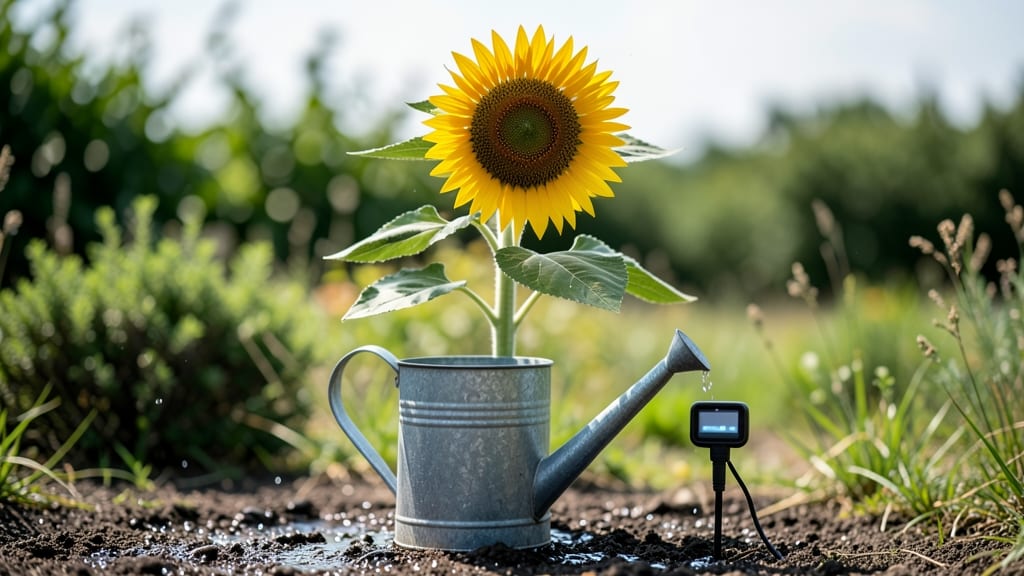
To keep your 🌻 sunflowers thriving, you might be surprised to learn how often sunflowers should be watered—what works for seedlings can drown mature plants.
The key lies in understanding when to soak the soil and when to let it breathe, especially in USDA Zone 6a where spring rains can quickly turn to summer drought.
Most gardeners assume sunflowers are low-maintenance, but their towering growth depends on consistent moisture during critical stages. Watering too little stresses young plants, while overwatering invites root rot—both can cut your harvest short.
I’ll break down the exact schedule you need, from April’s planting window to October’s harvest, so you never guess again.
Think you can just "water when it looks dry"? Not quite. Sunflowers need 1–2 inches of water per week during flowering, but their deep roots mean shallow puddles won’t cut it.
I’ll show you how to check soil moisture the right way and adjust for heatwaves or rainy spells—so your stalks stay sturdy, not weak.
Ready to stop second-guessing your watering routine? By the end, you’ll know exactly when to reach for the hose (or skip it) to grow sunflowers that reach their full, sun-drenched potential—without the trial and error.
Sunflower watering schedule by growth stage: from seedling to flowering
Sunflowers thrive on consistency, but their watering needs shift dramatically as they grow. Germination requires moist soil, while mature plants can handle brief dry spells. Understanding these stages ensures strong stalks and vibrant blooms. Let’s break down the science-backed approach for each phase.
During the germination stage (first 2 weeks), keep soil consistently moist but never soggy. Overwatering here can cause seed rot, while dry soil halts sprouting. Aim for 1-2 inches of moisture at all times, checking soil daily with your finger.
Here’s a clear breakdown of sunflower watering by growth stage—ideal for tracking progress and adjusting care:
| Growth Stage | Watering Frequency | Soil Moisture Depth | Key Notes |
|---|---|---|---|
| Germination (0-14 days) | Daily (light misting) | Top 1-2 inches | Use spray bottle; avoid flooding |
| Seedling (2-4 weeks) | Every 2-3 days | Top 2-3 inches | Water deeply at soil base |
| Vegetative (4-8 weeks) | Every 3-5 days | Top 3-4 inches | Encourage root growth; mulch helps |
| Flowering (8-12 weeks) | 1 inch per week | Top 4-6 inches | Critical for bud development; reduce frequency if rainy |
During the seedling stage (weeks 2-4), increase frequency to every 2-3 days but water deeply at the base. Shallow watering encourages weak roots. Use a moisture meter or stick your finger 2-3 inches deep—if dry, it’s time to water.
As sunflowers enter the vegetative stage (weeks 4-8), they need 1-1.5 inches of water weekly. This phase builds the towering stalk, so consistency is key. Mulch with straw to retain moisture and suppress weeds, reducing evaporation by 30%.
When buds form (flowering stage, weeks 8-12), reduce frequency slightly to 1 inch per week. Overwatering now can cause bud rot or split stems. Monitor soil 4-6 inches deep—dryness here signals it’s time to water.
In hot climates, water early morning to prevent evaporation and fungal diseases. In cooler regions, adjust to every 5-7 days once established. Always prioritize deep, infrequent watering over light daily sprinkles.
Signs of overwatering include yellowing leaves or mold at the base, while underwatering causes wilting or crispy edges. Adjust based on your sunflower’s growth stage and local climate for perfect blooms.
Pro tip: Group sunflowers with drought-tolerant companions like marigolds to share moisture needs. This creates a microclimate that reduces your workload while keeping roots happy.
Signs of overwatering vs. underwatering sunflowers: what your plant’s leaves reveal
Your sunflowers’ leaves act like a watering barometer, revealing whether you’re drowning their roots or leaving them parched. Yellowing leaves or mushy stems often signal overwatering, while crispy edges or drooping foliage scream thirst.
Since sunflowers have deep roots, surface-level wilting can be misleading—always check soil moisture 4-6 inches down.
First, let’s address the overwatering red flags. When soil stays soggy for days, roots suffocate, leading to root rot. Look for yellowing leaves starting at the base, a musty smell near the soil, or gray mold on stems.
These signs mean you’re giving your sunflowers more than their 1 inch per week during flowering. Cut back immediately and let the top 2 inches of soil dry out before watering again.
Here’s how to balance sunflower watering—what to do and what to avoid:
How Often Should Sunflowers Be Watered?
DO
- Water deeply 2-3 inches down every 3-5 days (vegetative stage)
- Use drip irrigation or soaker hoses to target roots
- Check soil moisture before watering—stick your finger in
- Apply 2 inches of mulch to retain moisture
- Water in the early morning to prevent fungal growth
DON’T
- Let soil stay waterlogged for days—roots suffocate
- Water lightly daily—encourages shallow roots
- Ignore yellowing leaves or mold—signs of overwatering
- Water at night—increases humidity and fungal risk
- Skip soil checks—rely on a schedule without monitoring
Underwatering shows up differently. Wilting leaves that don’t perk up after watering, crispy brown edges, or dry soil pulling away from the pot are clear warnings. Sunflowers can handle brief dry spells once established, but seedlings and flowering plants need consistent moisture.
If your soil feels bone-dry 2 inches down, it’s time to water deeply—aim for 1-1.5 inches of moisture per session.
To recover from overwatering, stop watering immediately and improve drainage. Amend heavy clay soil with compost or perlite to help roots breathe. For underwatered sunflowers, give them a deep soak and monitor closely.
If leaves are severely damaged, trim affected foliage to redirect energy to healthy growth. Mulching with straw or wood chips helps maintain even moisture levels moving forward.
Pro tip: Group sunflowers with drought-tolerant plants like marigolds or zinnias. Their shared moisture needs create a balanced microclimate, reducing your workload while keeping roots happy. Always prioritize deep, infrequent watering—your sunflowers will thank you with taller stalks and bigger blooms.