
Watering
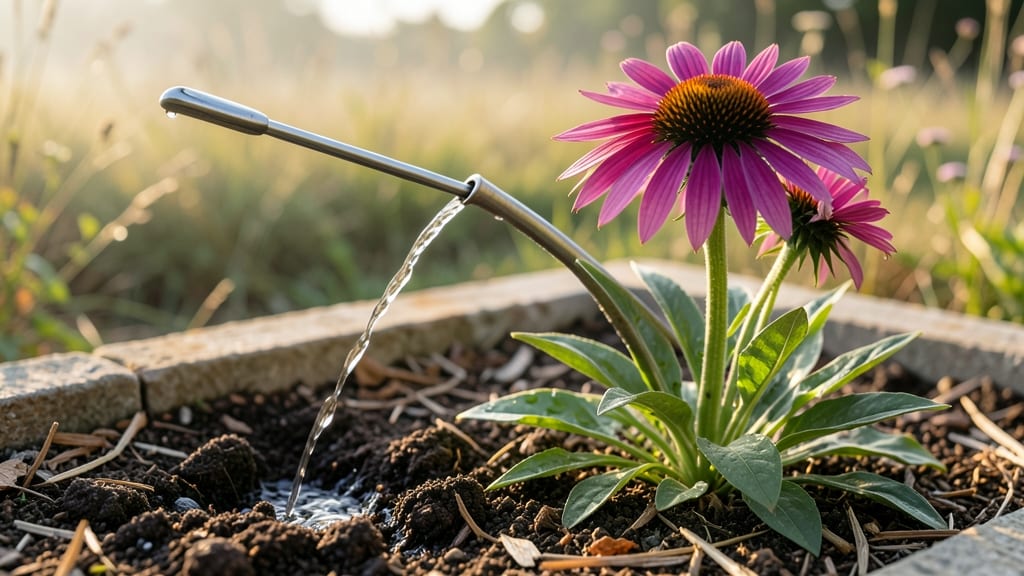
To keep your coneflowers thriving, you might be overcomplicating how often to water coneflowers—because these hardy plants actually hate soggy soil more than they dislike a missed watering day.
The key isn’t following a rigid schedule but checking the soil first, a simple trick that saves time and prevents common mistakes like root rot or wilting.
Coneflowers (🌼) are famously drought-tolerant once established, but their early growth stages demand consistency. Whether you’re in USDA Zone 6a or a warmer climate, the real secret lies in understanding your soil’s thirst—not just the calendar.
I’ll show you exactly how to tell when it’s time to water, so you can stop guessing and start growing.
Most gardeners either drown their coneflowers or let them dry out completely, both of which stress the plant. The solution? A soil check method that adapts to your local conditions, from sandy soils that dry fast to clay that holds moisture for weeks.
Let’s break down the science-backed approach that keeps your coneflowers blooming all season.
You’ll learn how to adjust your watering based on seasonal shifts, spot early signs of over- or underwatering, and even use mulch to cut back on maintenance. By the end, your coneflowers will be the envy of the neighborhood—without the guesswork. Ready to master the art of watering?
The perfect watering schedule for coneflowers based on soil type
Coneflowers (Echinacea) are drought-tolerant superstars, but their watering needs shift dramatically based on your soil type. Sandy soil drains too fast, loamy soil holds just the right balance, and clay soil clings to moisture like a damp glove.
Without adjusting your approach, you might end up with wilting stems or mushy roots. The key? A simple finger-depth soil check before watering.
Start by digging your finger 2-3 inches deep into the soil near your coneflower's base. If it feels dry, it's time to water. If it's still damp, wait another day.
This method works for all soil types but reveals different truths: sandy soil may need watering twice a week, while clay soil might only require it every 10 days. Seasonal shifts also play a role—summer heat demands more frequent watering, while winter often calls for a complete pause.
Let’s break down the exact watering schedule for each soil type, including seasonal adjustments. Remember, once established (after 1-2 years), coneflowers thrive with minimal watering, but young plants need consistent moisture to root deeply.
Overwatering is the silent killer—it suffocates roots and invites fungal diseases like powdery mildew.
Here’s the science-backed comparison to keep your coneflowers blooming like the vibrant pink and purple dreams they’re meant to be:
| Soil Type | Watering Frequency (Established Plants) | Spring (New Growth) | Summer (Peak Heat) | Fall (Pre-Dormancy) | Winter (Dormant) |
|---|---|---|---|---|---|
| Sandy Soil | Every 3-4 days | Weekly | Every 2-3 days | Every 7-10 days | Monthly (if no rain) |
| Loamy Soil | Every 5-7 days | Every 5-7 days | Every 4-5 days | Every 10-14 days | Monthly (if no rain) |
| Clay Soil | Every 7-10 days | Every 7-10 days | Every 5-7 days | Every 14-21 days | Every 30-45 days |
*Always water deeply (1-2 inches) at the base, avoiding the foliage to prevent disease.
For sandy soil, the challenge is preventing moisture from evaporating too quickly. Water in the early morning to give roots time to absorb hydration before the sun intensifies.
In loamy soil, you’ll find the sweet spot—watering deeply once a week keeps roots happy without overdoing it. Clay soil gardeners must resist the urge to water often; instead, let the soil dry out between waterings to avoid compacted, oxygen-poor roots.
Seasonal tweaks are non-negotiable. During spring, when new growth emerges, increase watering slightly to support root development.
In summer, even drought-tolerant coneflowers need extra care—water every 2-5 days depending on your soil, and always check for wilting leaves by midday. Fall is your chance to taper off; reduce watering by half to encourage dormancy.
And in winter, unless you’re in a freezing climate, skip watering entirely unless the soil is bone-dry.
Pro tip: Use a rain gauge or tuna can to measure water output. Aim for 1-2 inches per week, including rainfall. If your area gets regular rain, adjust your schedule—there’s no need to water if the soil is already moist.
Mulching with 2-3 inches of organic mulch (like straw or shredded leaves) helps retain moisture and regulates soil temperature, reducing your watering frequency by up to 30%.
Watch for yellowing leaves or drooping stems
Signs your coneflowers are overwatered or underwatered (and how to fix it)
Your coneflowers might be sending silent SOS signals through their leaves and stems—yellowing foliage or limp stems aren’t just random quirks. These drought-tolerant beauties (🌼) actually hate soggy roots more than they dislike thirst. The key is learning to read their physical cues before the damage becomes permanent.
Overwatering often starts with yellow lower leaves that feel mushy to the touch, while underwatering causes crispy, brown edges on leaves. Both issues can lead to stunted growth or even fungal diseases like powdery mildew if ignored.
Let’s decode these warning signs so you can rescue your plants before they wilt for good.
How Often to Water Coneflowers: Quick Guide
- Test soil 2" deep before watering
- Water deeply 1-2 inches weekly (spring/summer)
- Use morning watering to reduce fungal risk
- Adjust for soil type (sandy = more often, clay = less)
- Water on schedule without soil checks
- Let soil stay soggy for more than 2 days
- Water at night (encourages rot and mildew)
- Over-fertilize wet soil (burns roots)
For overwatered coneflowers, start by reducing watering frequency and improving drainage. If the soil feels compacted, mix in compost or perlite to aerate it. Yellow leaves with blackened stems signal root rot—trim affected areas immediately and repot if needed.
Always water at the base of the plant to avoid wetting foliage.
When coneflowers are underwatered, their leaves may curl inward to conserve moisture, and stems can feel hollow when squeezed. Revive them by giving a deep watering (1-2 inches) and applying mulch around the base to retain moisture.
Avoid watering again until the top 2" of soil dries out—this teaches roots to seek deeper water.
Both issues can lead to bloom failure, so act fast. If fungal spots appear (white powder or gray mold), treat with neem oil and prune infected leaves. With the right adjustments, your coneflowers will bounce back stronger than ever—resilient plants deserve resilient care! 🌱