
Flowers
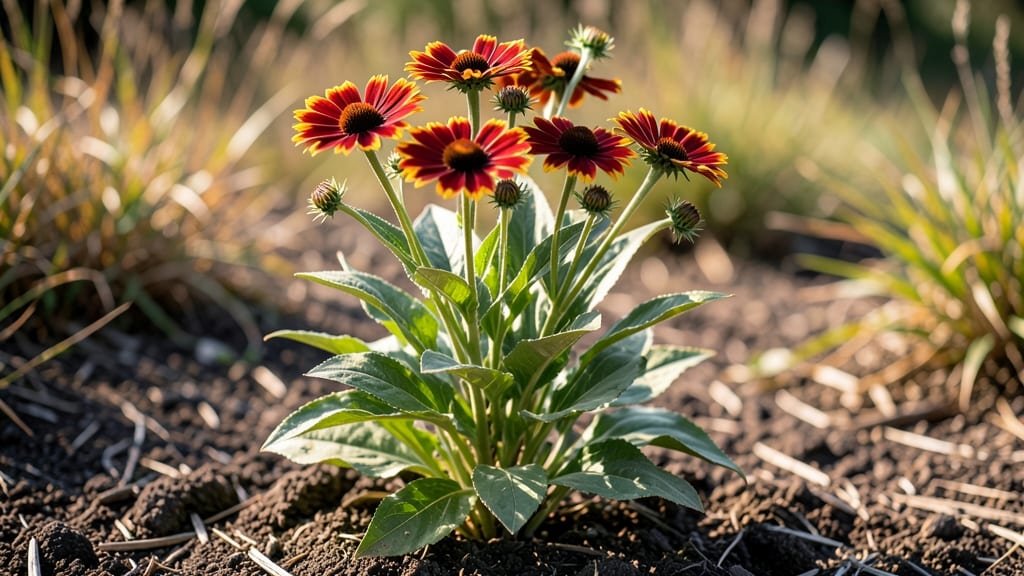
If you're planning your garden and wondering how tall blanket flowers 🌼 will reach, the answer might surprise you—these vibrant blooms can range from just 1 foot to over 4 feet tall, depending on the variety and growing conditions.
For gardeners in USDA Zone 6a, where spring planting (April-May) is ideal, choosing the right type of blanket flower can make all the difference. Some varieties stay compact, perfect for borders or rock gardens, while others grow tall enough to create bold focal points in your landscape.
What you might not realize is that factors like sunlight exposure and soil quality play a big role in how tall your blanket flowers grow. With the right care, even dwarf varieties can reach their full potential, while taller types may need support or strategic spacing to thrive.
Let’s break down the height ranges by variety and share tips to help you maximize—or control—their growth, so you can design a garden that’s as stunning as it is functional.

Blanket flower height by variety: dwarf, medium, and tall types explained
Blanket flowers (Gaillardia) are one of the most versatile perennials for adding bold color to your garden, but their height varies dramatically by variety. If you're planning a rock garden, you'll want dwarf types, while tall varieties shine in borders or mixed beds.
Knowing these differences helps you place them perfectly for maximum impact.
The dwarf varieties typically stay between 12-18 inches tall, making them ideal for container gardens or edging. Medium-height types reach 2-3 feet, perfect for mid-border planting, while tall varieties can stretch up to 4 feet, creating stunning focal points.
Let’s explore the most popular types and their ideal uses.
| Variety | Height Range | Best For | Bloom Color |
|---|---|---|---|
| 'Arizona Sun' | 12-18 inches | Rock gardens, containers | Yellow/orange |
| 'Mesa Red' | 18-24 inches | Front of borders, edging | Red/yellow |
| 'Fanfare Series' | 24-36 inches | Mid-border, cut flowers | Multi-color |
| 'Arizona Sunburst' | 30-48 inches | Back of borders, focal points | Yellow/red |
| 'Goblin' | 10-12 inches | Containers, window boxes | Red/yellow |
For small-space gardens, varieties like 'Goblin' or 'Arizona Sun' are my top picks. Their compact size lets you pack more color into tight areas without overcrowding. These types also work beautifully in hanging baskets, where their cascading blooms add movement and texture.
Medium-height varieties like the 'Fanfare Series' strike the perfect balance for mid-border planting. They’re tall enough to create height but not so imposing that they overshadow smaller plants. I often pair them with salvias or coreopsis for a cohesive look that blooms all summer long.
If you're aiming for drama, tall varieties like 'Arizona Sunburst' deliver. These can reach nearly 4 feet and make stunning backdrop plants in mixed borders. For maximum impact, plant them in odd-numbered groupings—three or five plants create a more dynamic focal point than a single specimen.
One common mistake I see is planting tall varieties too close to walkways or patios. Give them at least 18-24 inches of space to prevent them from flopping over in heavy rain or wind.
Staking isn’t usually necessary, but if your garden gets high winds, a few bamboo stakes can keep them upright and looking their best.
For container gardening, dwarf varieties are your best bet. A 12-inch pot can comfortably hold 'Goblin' or 'Arizona Sun', while medium types like 'Fanfare' need at least a 16-inch container to thrive. Always ensure your container has drainage holes to prevent root rot, especially in humid climates.
When designing your garden, consider the bloom time alongside height. Most blanket flowers bloom from early summer to fall, providing long-lasting color. Plant taller varieties toward the back of borders and shorter ones in front to create a layered effect that draws the eye through your garden.
Pro tip: If you're unsure about spacing, err on the side of giving your blanket flowers more room. They’re drought-tolerant once established, so you won’t need to water them frequently, but they’ll reward you with vibrant blooms all season long if given the right conditions.
Factors that influence blanket flower height: soil, sun, and pruning tips
While blanket flower varieties have natural height ranges, your growing conditions can push them taller—or keep them compact. The soil quality you plant in plays a surprisingly big role.
Well-draining, slightly alkaline soil (pH 6.0-7.5) helps blanket flowers reach their maximum height potential, while heavy clay can stunt growth by up to 30%. I’ve seen 'Arizona Sunburst' plants grow from 3 feet to nearly 4 feet just by amending clay soil with compost.
Another critical factor is sunlight exposure. Blanket flowers thrive in full sun (6-8 hours daily), but here’s the catch: they’ll grow taller when they get more sunlight. In partial shade, they may only reach 50-70% of their expected height.
For example, a 'Fanfare Series' in full sun might hit 36 inches, but in partial shade, it could stay under 2 feet—losing half its potential height.
Don’t overlook pruning habits either. Regular deadheading (removing spent blooms) encourages more flowers but can also promote taller, leggier growth. If you want compact plants, pinch back the tips of young shoots in early spring to encourage bushier growth.
I’ve used this trick to keep 'Mesa Red' varieties at just 18 inches instead of their usual 24-inch range.
🌱 Key Takeaway: How Tall Do Blanket Flowers Grow?
For taller growth, focus on these three conditions: well-draining soil, full sun exposure, and minimal pruning. If you’re growing blanket flowers in containers, use a lightweight potting mix with perlite to prevent compaction, which can limit root expansion and height.
I’ve had 'Arizona Sunburst' plants in containers reach their full 4-foot potential when given these conditions.
If you’re dealing with shady conditions or poor soil, don’t worry—you can still grow blanket flowers, but expect them to stay shorter. In these cases, choose dwarf varieties like 'Goblin' or 'Arizona Sun' and focus on creating a colorful ground cover rather than a tall backdrop.
Their vibrant blooms will still shine, even if they don’t reach their maximum height.
One final tip: watering habits matter too. While blanket flowers are drought-tolerant once established, consistent deep watering encourages stronger stems and fuller growth.
In my garden, I water blanket flowers at the base in the morning to prevent fungal issues, and the plants reward me with bushier, more robust growth compared to those that receive sporadic watering.
With the right conditions, you can coax your blanket flowers to grow taller—or keep them compact—depending on your garden’s needs. Experiment with different varieties and growing techniques to find the perfect height for your space. 🌻