
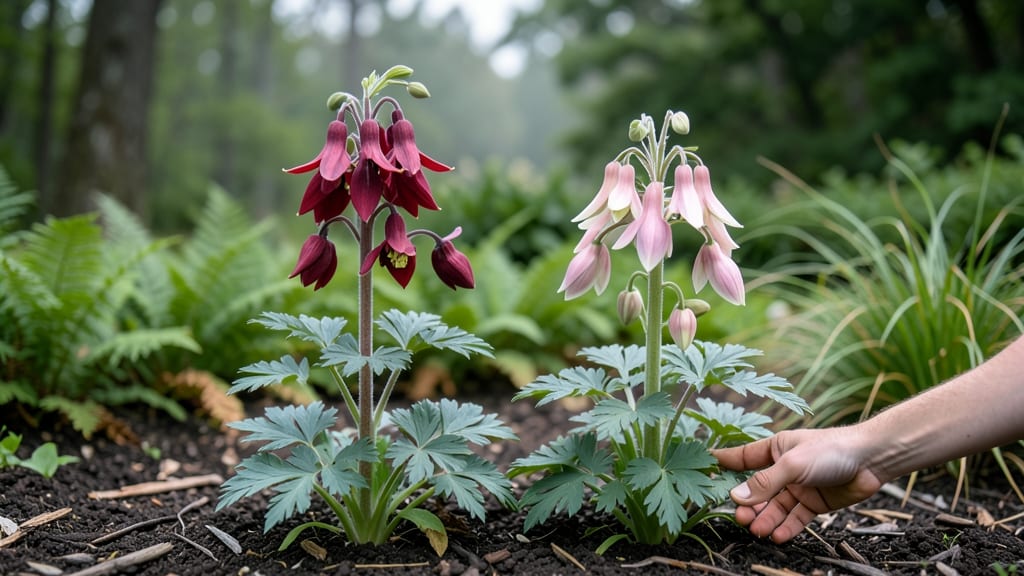
How Tall Do Columbine Flowers Grow: Height Chart by Variety and Growth Stages

Flowers

How Tall Do Columbine Flowers Grow: Height Chart by Variety and Growth Stages

If you're planning your garden and wondering how tall columbine flowers grow, you're in for a pleasant surprise—these delicate 🌸 beauties can range from compact charmers to eye-level stars, depending on the variety.

Whether you're designing a cottage garden or a modern landscape, knowing their mature height helps you place them just right for maximum impact.

Most columbine varieties reach between 1 to 3 feet tall, with some dwarf types staying as short as 12 inches and taller cultivars stretching toward 4 feet. This versatility makes them perfect for borders, containers, or even as a stunning focal point in mixed beds.

The key is choosing the right type for your space—whether you want them to peek over a rock wall or tower above your favorite perennials.

What’s even more fascinating is how their height evolves over time. In their first year, columbines might only grow to 12 to 18 inches, but by their second or third year, they’ll often hit their full mature height.

This gradual growth means you can plan ahead for staking or pruning if you’re working with taller varieties, ensuring they stay upright and show off their unique, nodding blooms.

Ready to make the most of your columbine’s height? I’ll walk you through the best spacing tips, how to support taller stems, and even how to use their vertical growth to create stunning garden layers. Let’s get started!

Columbine Height Range
1 ftto3 ft
0 ft 3 ft 6 ft 9 ft 12 ft
🌱 Medium Flower

Columbine flower height chart by variety: from dwarf to tall cultivars

Columbines (Aquilegia spp.) are one of nature's most charming vertical plants, offering heights that range from delicate 8-inch dwarfs to 4-foot towering beauties. Choosing the right variety isn't just about aesthetics—it impacts your garden's layering strategy and maintenance needs.

Whether you're designing a rock garden or a woodland border, knowing each type's mature height helps you plan spacing and support structures.

Tall columbines like 'McKana’s Giant' can reach 36+ inches, making them perfect for back-of-border planting, while dwarf varieties like 'Black Barlow' stay under 12 inches, ideal for container gardens or foreground accents.

The key is matching the variety to your space—some types even self-seed aggressively, so height control becomes crucial in small gardens.

Variety Mature Height (inches) Growth Habit Sunlight Needs Best For
Aquilegia canadensis (Wild Columbine) 12–18 Upright, clumping Partial shade Native gardens
'Black Barlow' 8–12 Compact, bushy Partial shade Containers, rock gardens
'Crimson Riding Hood' 24–30 Tall, spreading Partial sun Back borders, cottage gardens
'McKana’s Giant' 36–48 Very tall, sturdy Partial shade Tall borders, staking needed
'Songbird Series' 18–24 Medium, clumping Partial sun/shade Cut flowers, pollinator gardens
'Nancy' (Dwarf) 10–14 Compact, bushy Partial shade Window boxes, small spaces
'Blue Star' 20–26 Upright, spreading Partial sun Pollinator-friendly borders
'Pink Chiffon' 18–22 Medium, airy Partial shade Cut flower arrangements
'Goldsmith' 12–16 Compact, bushy Partial sun Rock gardens, alpine beds
'Alba' (White Columbine) 24–30 Tall, elegant Partial shade Formal gardens, white themes
'Violet Queen' 30–36 Tall, sturdy Partial sun Back-of-border drama
'Waterfall' Series

How columbine height changes through growth stages: from seed to bloom

Watching your columbine grow is like witnessing a slow-motion dance—each stage brings a new height milestone that transforms your garden. From tiny seedlings to towering blooms, their growth pattern is both predictable and full of surprises.

Understanding these stages helps you anticipate their final height and plan your garden layout accordingly.

Columbines start their journey as 1- to 3-inch seedlings, delicate and barely noticeable. By the time they reach their first year, most varieties will have grown to 12 to 18 inches, but their true height potential isn’t fully realized until their second or third year.

This gradual growth means you can enjoy their beauty without worrying about overcrowding your space too soon.

Columbine Growth Stages & Height Milestones
  1. 🌱 Seedling Stage (0-6 weeks)
    Height: 1–3 inches | Focus: Germination in well-draining soil with partial shade.
  2. 🌿 Vegetative Growth (6-12 weeks)
    Height: 6–12 inches | Focus: Pinch back tips to encourage bushier growth.
  3. 🌸 Early Bloom (Year 1)
    Height: 12–24 inches | Focus: Support stems if they lean; avoid heavy pruning.
  4. 🌷 Mature Bloom (Year 2+)
    Height: 12–48+ inches | Focus: Prune spent blooms to promote taller, stronger stems.
  5. 🪴 Full Maturity (Year 3+)
    Height: Varies by variety | Focus: Stake tall types (e.g., 'McKana’s Giant') to prevent flopping.
Pro Tip: Tall varieties like 'Blue Bird Barer' can reach 4 feet—plan for 18-inch spacing to avoid crowding.

One of the most exciting transformations happens between the first and second year. While your columbine might only reach 12–18 inches in its first year, it can nearly double in height by the following spring.

This is when you’ll see the full potential of varieties like 'Crimson Riding Hood' or 'Songbird Series', which can stretch toward 3 feet or more.

Pruning plays a crucial role in shaping their height. If you want shorter, bushier columbines, pinch back the tips of young plants when they reach 6 inches. This encourages more branches and a fuller appearance.

Conversely, if you’re growing tall varieties like 'McKana’s Giant', avoid heavy pruning—let them grow tall and use stakes or trellises to support their weight.

Soil depth also influences height. Columbines thrive in well-draining soil that’s at least 12 inches deep. Shallow soil can stunt their growth, while deep, rich soil encourages taller stems.

If your garden has rocky or compacted soil, consider amending it with compost or organic matter to give your columbines room to reach their full potential.

As your columbines mature, their height becomes a key factor in garden design. Taller varieties can serve as backdrop plants for shorter perennials, while dwarf types add texture to rock gardens or containers.

By understanding their growth stages, you can create a layered look that’s both functional and visually stunning.

Remember, every columbine is unique—some may grow slightly taller or shorter than expected, depending on growing conditions. The key is to observe their progress and adjust your care as needed. With the right approach, you’ll have vibrant, healthy columbines that thrive at any height in your garden. 🌷

★★★★★4.7(6 reviews)
Categories Flowers