
Flowers
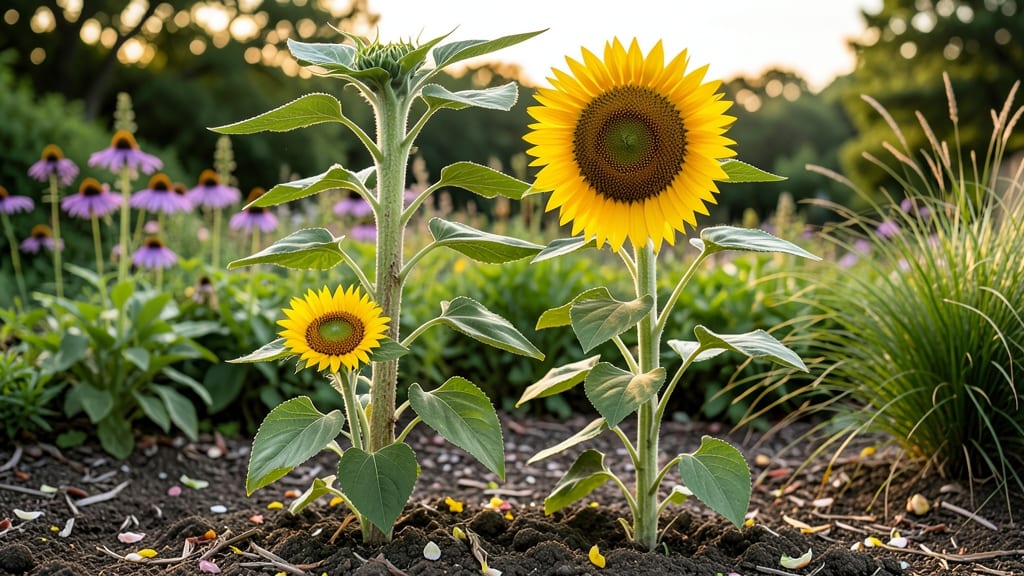
Ever wondered how tall do sunflowers grow from a cute container plant to a towering garden giant? The answer lies in the variety you choose—because some sunflowers stay humble at just a few feet tall, while others reach heights that will make you feel like you're standing under a skyscraper.
If you're dreaming of a sunflower that fits neatly in a patio pot or one that creates a dramatic backdrop for your garden, knowing the height differences is the key.
Dwarf varieties stay under 4 feet, making them perfect for small spaces, while standard types can soar to 10 feet or more. And yes, there are even record-breaking giants that defy imagination.
But it’s not just about picking a tall or short variety—soil quality, sunlight exposure, and even how much you water can push your sunflower to grow taller (or keep it compact).
I’ll break down everything you need to know to choose the perfect height for your space and get the most out of your sunflowers this season.
Whether you're growing them for cut flowers, bird feeders, or just to brighten up your yard, understanding these height variations will help you plan like a pro. Let’s dive in!

Sunflower height ranges: from dwarf varieties to record-breaking giants
Sunflowers are nature’s skyscrapers, with some varieties reaching heights that rival small trees while others stay perfectly proportioned for containers.
The height of your sunflowers depends entirely on the variety you choose, and understanding these differences will help you plan your garden layout, select the right container sizes, or even create a windbreak.
Whether you're dreaming of a 12-foot giant or a 2-foot patio plant, knowing the range is key.
Sunflower heights typically fall into three categories: dwarf varieties (1-4 feet), medium-height varieties (4-8 feet), and giant varieties (8-16+ feet). Each category serves different purposes in the garden, from cut flowers to bird feeders or even vertical accents.
The right choice depends on your space, sunlight, and intended use. Let’s explore how these heights impact your gardening strategy.
Before diving into varieties, remember that sunlight and soil quality play critical roles in reaching a sunflower’s potential height. Full sun exposure (6+ hours daily) is non-negotiable, while nutrient-rich, well-draining soil ensures strong stems.
Even the tallest varieties can struggle without proper support, so spacing and staking become essential for giants. Let’s break down the options to help you make the best choice for your garden.
| Variety Type | Height Range | Best For | Spacing Needs | Example Varieties |
|---|---|---|---|---|
| Dwarf | 1–4 ft | Containers, borders, patios | 12–18 inches apart | 'Teddy Bear', 'Moulin Rouge', 'Little Becka' |
| Medium | 4–8 ft | Cut flowers, bird feeders, mid-height borders | 18–24 inches apart | 'Autumn Beauty', 'ProCut', 'Mammoth' |
| Giant | 8–16+ ft | Windbreaks, dramatic accents, record attempts | 36+ inches apart (or staked) | 'Russian Giant', 'Mammoth Russian', 'American Giant' |
Dwarf sunflowers like 'Teddy Bear' are perfect for small spaces, including balcony containers or window boxes. These varieties thrive with minimal care and add bright color without overwhelming your layout. Their compact size also makes them ideal for companion planting with vegetables or herbs, where space is limited.
For example, a 3-foot 'Little Becka' can sit happily alongside tomatoes or peppers without shading them out.
Medium-height sunflowers strike a balance, offering cut flowers and bird-friendly seeds while staying manageable. Varieties like 'Autumn Beauty' (6–8 feet) are popular for flower arrangements and garden borders. These plants require slightly more space but still fit well in most backyard gardens.
Their height also makes them great for privacy screens or windbreaks, especially when planted in clusters.
Giant sunflowers are the showstoppers of the garden, capable of reaching 12–16 feet or more under ideal conditions. Varieties like 'Russian Giant' can grow taller than a two-story house, making them perfect for dramatic focal points or even world-record attempts.
However, these giants need ample space (3+ feet apart), staking for support, and rich, fertile soil to reach their full potential. Without proper care, their tall, heavy stems can snap in wind or rain.
Choosing the right height also affects your watering and fertilizing strategy. Taller varieties need deeper watering to reach their roots, while dwarf sunflowers can thrive with lighter, more frequent watering.
Fertilize giants with a balanced 10-10-10 mix every 4–6 weeks to support their rapid growth, but avoid over-fertilizing dwarf varieties, which can lead to floppy stems. Always water in the morning to prevent fungal issues, especially for towering plants.
If you're working with limited space, consider trellising or staking taller varieties to save room. Even a 10-foot sunflower can be trained to grow vertically, freeing up ground space for other plants.
For containers, stick to dwarf or semi-dwarf varieties and ensure your pot is at least 12 inches deep to accommodate root growth. Remember, sunflowers are annuals, so their height is a one-season investment—but what a spectacular one!
Whether you're aiming for a whimsical patio display or a monumental garden centerpiece, sunflowers offer endless possibilities. By matching the variety height to your space and goals, you’ll create a garden that’s as functional as it is beautiful.
Now that you know the range, it’s time to pick your perfect sunflower—and watch it grow!
🌻
How to choose the right sunflower height for your garden space
Choosing the right sunflower height for your garden isn't just about aesthetics—it's about creating a functional and thriving space.
Whether you're working with a small balcony or a sprawling backyard, the height of your sunflowers will determine how you arrange them, how much sunlight they receive, and even how you harvest them.
For example, dwarf varieties like 'Teddy Bear' (2-3 feet) are perfect for containers, while tall varieties like 'Mammoth' (12-16 feet) need plenty of space and support.
Your garden's layout and sunlight exposure play a huge role in this decision. Tall sunflowers need full sun and room to sway without crowding other plants. If your space is tight, consider semi-dwarf varieties (4-8 feet) that offer a compromise between height and space efficiency.
For instance, 'Autumn Beauty' reaches 5-6 feet and thrives in partial shade, making it ideal for mixed borders.
-
🌱 Dwarf Varieties (1-4 ft)
- Ideal for containers, patios, or small gardens
- Examples: 'Teddy Bear', 'Moulin Rouge' (bicolor)
- Spacing: 12-18 inches apart
-
🌿 Semi-Dwarf Varieties (4-8 ft)
- Perfect for borders, mixed beds, or small backyards
- Examples: 'Autumn Beauty', 'ProCut' (great for cut flowers)
- Spacing: 18-24 inches apart
-
🌳 Tall Varieties (8-16 ft)
- Best for large gardens, windbreaks, or dramatic backdrops
- Examples: 'Mammoth', 'Russian Giant' (can exceed 16 ft)
- Spacing: 24-36 inches apart; staking required
If you're growing sunflowers for cut flowers or bird feed, height matters for practical reasons. Tall varieties like 'Russian Giant' produce heavy seed heads that need support to avoid snapping. I recommend using bamboo stakes or cages for varieties over 8 feet tall.
For bird feed, shorter varieties like 'Autumn Beauty' are easier to access for birds while still providing plenty of seeds.
For small gardens or urban spaces, vertical gardening is your best friend. Tall sunflowers can be planted near fences or trellises to maximize upward growth. Pair them with climbing plants like morning glories to create a living tapestry.
Even dwarf varieties can be arranged in tiered planters to add height without taking up floor space. Just ensure each plant gets the sunlight it needs—even compact varieties will lean toward the sun if they're crowded.
Don’t overlook the aesthetic impact of sunflower height in your garden design. A mix of heights creates visual interest—tall varieties as focal points with shorter ones filling in the gaps.
For instance, plant 'Russian Giant' (12-16 feet) at the back of a border, 'Autumn Beauty' (5-6 feet) in the middle, and 'Teddy Bear' (2-3 feet) in the front. This layered approach adds depth and draws the eye through your garden.
Finally, consider your climate and soil conditions. In cooler regions, tall varieties may struggle to reach their full height, while dwarf varieties thrive. Amend your soil with compost or fertilizer to support taller growth if needed.
With the right variety and care, you can turn even a small patch of soil into a sunflower spectacle that suits your space perfectly.