
How To
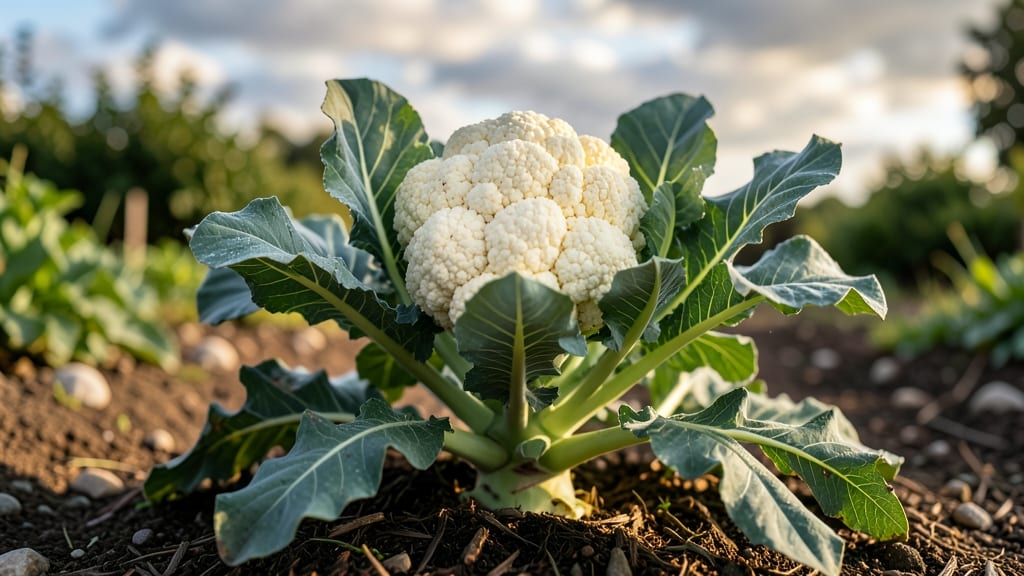
If you're planning to grow cauliflower this spring, one of the first questions you'll have is how tall does cauliflower grow—because these plants don't stay small.
While some varieties barely reach knee height, others can stretch taller than a standard dinner plate, making spacing and sunlight a big deal for your garden layout.
Most home gardeners work with standard varieties that mature between 18 and 24 inches, but dwarf types like 'Miniature' can stay as short as 8 to 12 inches.
This difference isn't just about aesthetics—it directly impacts how you'll arrange your plants, whether you're working with a raised bed or a small backyard plot.
What I've found in my own garden is that proper spacing is the key to avoiding overcrowding, which can lead to poor air circulation and disease. For taller varieties, aim for 24 to 36 inches between plants, while dwarf types can comfortably share space 12 to 18 inches apart.
Let me break down exactly how to choose the right variety for your space and what to watch for as they grow.
Ready to avoid the common mistakes that trip up new growers? You'll also discover how to control height naturally—whether you're dealing with a runaway plant or trying to maximize yield in limited square footage. Let's get started.

Cauliflower height by variety: compact vs giant growth ranges
When planning your garden, knowing cauliflower height by variety helps you maximize space and yield. Some varieties stay as short as 8 inches, while others reach nearly 3 feet tall. The right choice depends on your garden layout, sunlight access, and even harvest preferences.
Dwarf varieties like 'Snowball Y Improved' are perfect for containers or small spaces, while larger types such as 'Romanesco' need more room. Understanding these differences ensures your plants thrive without crowding each other or competing for resources.
Below is a detailed comparison of cauliflower varieties by height, including their mature sizes, spacing needs, and ideal growing conditions. This will help you pick the best fit for your garden setup.
| Variety | Height Range | Spacing Needs | Best For |
|---|---|---|---|
| Dwarf Varieties | 8–12 inches | 12–18 inches apart | Containers, small gardens |
| Snowball Y Improved | 10–12 inches | 12 inches apart | Early harvest, small spaces |
| Purple of Sicily | 12–18 inches | 18 inches apart | Colorful harvests, raised beds |
| Standard Varieties | 18–24 inches | 24–30 inches apart | Standard gardens, larger plots |
| Romanesco | td style="padding: 10px; border-bottom: 1px solid #655a9b;">24–30 inches30 inches apart | Unique fractal heads, full sun | |
| Giant Varieties | 24–36 inches | 36–48 inches apart | Large gardens, commercial plots |
| Chef's Choice | 30–36 inches | 48 inches apart | Large curds, high yield |
Dwarf varieties like 'Snowball Y Improved' are ideal for container gardening or urban spaces where every inch counts. Their compact size—typically 8–12 inches tall—makes them easy to grow in 5-gallon buckets or window boxes. Just ensure they get 6–8 hours of sunlight daily.
Standard varieties such as 'Snowball' or 'Purple of Sicily' strike a balance, reaching 18–24 inches tall. These are perfect for raised beds or in-ground gardens with moderate spacing. They produce larger heads than dwarf types, making them great for family meals.
Giant varieties like 'Romanesco' or 'Chef's Choice' can grow up to 3 feet tall, requiring 36–48 inches of space between plants. These are best suited for large plots or commercial gardens where maximizing yield is a priority. Their towering height means they’ll need sturdy stakes if grown in windy areas.
Choosing the right cauliflower variety based on height also affects harvest timing. Dwarf types mature faster, often in 50–60 days, while giant varieties may take 70–100 days. Plan your garden layout accordingly to avoid overcrowding as plants grow taller.
For small gardens, consider interplanting dwarf cauliflower with faster-growing crops like lettuce or radishes. This way, you can harvest multiple crops in the same space without sacrificing sunlight or nutrients. In larger gardens, use taller varieties as
How to choose cauliflower varieties based on garden space
Choosing the right cauliflower variety isn't just about taste—it's about fitting your garden's layout. If you're working with small containers or raised beds, dwarf varieties like 'Miniature Snowball' can thrive in just 5-gallon pots, while larger plots can accommodate taller, high-yielding types like 'Chef's Choice'.
The key is matching the plant's mature height to your available space, which directly impacts airflow, sunlight exposure, and harvest ease.
For urban gardeners or balcony setups, compact varieties are a game-changer. They mature quickly and produce small but flavorful heads without requiring deep soil.
Meanwhile, traditional varieties like 'Snowball Y Improved' need more room to spread their leaves, making them better suited for in-ground gardens or large raised beds. Let's explore how to pick the perfect fit for your space.
Dwarf Varieties (8-12" tall)
- Perfect for containers or small plots
- Faster maturity (50-60 days)
- Less prone to bolting in heat
- Ideal for succession planting
- Smaller head size (2-4 inches)
- Limited storage life post-harvest
- Requires more frequent harvesting
Standard Varieties (18-24" tall)
- Larger heads (6-8 inches)
- Better storage potential
- More versatile for cooking
- Needs more space (24-36" apart)
- Slower to maturity (70-90 days)
- More susceptible to pests in tight spaces
Giant Varieties (24-30" tall)
- Massive heads (8+ inches)
- High yield per plant
- Great for market gardening
- Requires deep soil (12+ inches)
- Needs 36" spacing minimum
- More water-intensive
If you're growing in raised beds, opt for semi-dwarf varieties like 'Purple of Sicily'—they strike a balance between space efficiency and head size. These plants reach 12-18 inches tall and thrive in 4x8-foot beds with 18-inch spacing.
For container gardening, 'Miniature White' is my top pick—it produces baby heads every 2-3 weeks in just a 10-inch pot.
For large garden plots, consider succession planting with a mix of dwarf and standard varieties. Start with early-season dwarfs for quick harvests, then follow with taller, slower-maturing types like 'Romanesco'.
This approach maximizes your space while ensuring a continuous harvest window from spring to fall. Just remember: taller plants need more sunlight, so avoid shading them with shorter crops.
One trick I use to maximize yield in limited space is intercropping. Plant fast-growing leafy greens like lettuce between cauliflower rows—once the cauliflower heads form, you can harvest the greens without disturbing the main crop.
This double-use strategy works especially well with dwarf varieties, where the smaller footprint leaves room for companions.
Before finalizing your choice, check your last frost date and growing season length. Dwarf varieties mature faster, making them ideal for short-season climates, while taller types need a longer growing window to reach full size.
In my Zone 6a garden, I always plant dwarfs first to ensure an early harvest before the heat sets in.