
Flowers
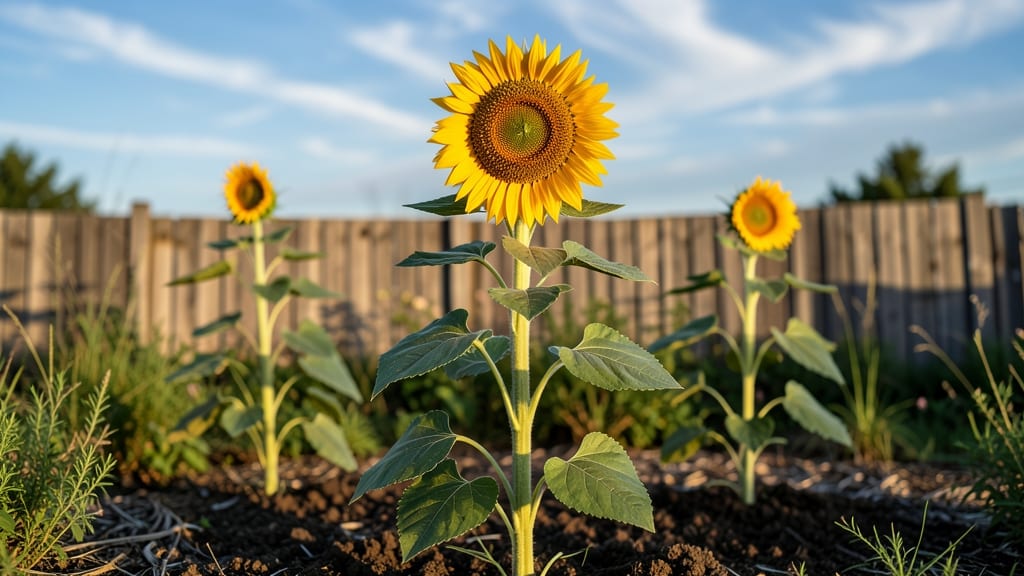
If you’ve ever planted a 🌻 sunflower and watched it shoot up overnight, you know they’re nature’s skyscrapers—but just how tall can they really grow? Some varieties stretch taller than a basketball hoop, while others stay compact enough for container gardens.
The difference comes down to genetics, care, and a little luck with the weather.
Gardeners in USDA Zone 6a often ask whether their sunflowers will hit 10 feet or stay closer to 3 feet.
The answer depends on the variety you choose: dwarf types like 'Teddy Bear' max out at 3 feet, while giants like 'Russian Mammoth' can tower over 14 feet. That’s the kind of growth you can’t ignore!
But height isn’t just about variety—soil, sunlight, and water play starring roles too. A sunflower planted in April with full sun and consistent moisture will grow faster, while poor conditions can stunt even the tallest breeds.
I’ll break down the exact heights by stage and what you can do to encourage (or control) that skyward reach.
Ready to turn your garden into a sunflower skyline? Let’s dive into the science behind their growth—and how you can grow them to their full potential (or keep them in check).

Sunflower height by variety: from dwarf to giant types
Sunflowers are nature’s skyscrapers, with some varieties reaching heights that rival small trees. Whether you’re dreaming of a backyard skyline or a compact container garden, choosing the right variety is key.
The height of your sunflowers depends entirely on their genetic makeup—some stay humble at 1 foot tall, while others tower at 16 feet or more. Let’s explore the stunning range of sunflower heights and how to grow them to their full potential.
From the whimsical Teddy Bear variety perfect for kids’ gardens to the monumental Russian Giant that demands space, each sunflower type offers unique beauty and growth habits.
Understanding these differences helps you plan your garden layout, select the right spot, and even troubleshoot if your plants aren’t reaching their expected height. Ready to discover which sunflower will dominate your garden—or grace it with delicate charm?
Dwarf sunflowers like Teddy Bear and Sunspot are perfect for containers or small gardens. These varieties stay under 3 feet tall and bloom quickly, making them ideal for adding instant color.
Their compact size also means they’re less likely to topple in windy conditions, which is a relief for gardeners with limited space or shady spots.
Medium-height varieties, such as Moulin Rouge and Autumn Beauty, strike a balance between height and manageability. Reaching 3 to 6 feet tall, they’re great for cut flower arrangements or adding vertical interest to borders.
These sunflowers often produce multiple blooms per stem, extending their seasonal impact and attracting pollinators like bees and butterflies.
If you’re aiming for a dramatic focal point, giant sunflowers like Russian Giant and Mammoth are unbeatable. These varieties can grow 10 to 16 feet tall, creating a striking skyline in your garden.
However, their towering stature requires sturdy staking and plenty of space. Plant them in open areas where they won’t crowd other plants or obstruct walkways.
To encourage your sunflowers to reach their full height potential, prioritize full sun exposure—at least 6 to 8 hours daily. Well-draining soil rich in organic matter also supports strong root development.
For giant varieties, consider adding a support stake early in their growth to prevent toppling. Regular watering, especially during dry spells, keeps them hydrated and promotes steady upward growth.
One common misconception is that all sunflowers need deep, fertile soil to grow tall. While this is true for giants, dwarf varieties thrive in well-amended containers or even poor soil, as long as they receive adequate water.
Always match your sunflower variety to your garden’s conditions—this ensures healthy growth and avoids disappointment.
For gardeners in USDA Zones 3–10, sunflowers are incredibly adaptable. Most varieties are annuals, meaning they complete their life cycle in one season, but their seeds can be saved for next year’s garden.
Whether you’re growing sunflowers for cut flowers, birdseed, or sheer spectacle, choosing the right height variety sets the stage for a successful harvest.
Pro tip: If you’re growing sunflowers for birdseed, opt for taller varieties like Mammoth. Their large heads produce abundant seeds, while dwarf varieties yield fewer but are easier to harvest by hand.
Plan your layout accordingly—taller sunflowers should face south to maximize sunlight exposure and prevent shading of smaller plants.
🌻
How sunflower height changes by growth stage: Week-by-Week growth chart
Sunflowers don’t grow at a steady pace—they’re more like a rocket launch, with explosive early growth followed by dramatic vertical spurts. Understanding their week-by-week height progression helps you predict milestones and troubleshoot if growth stalls.
For example, a 'Russian Giant' might only be 6 inches tall at Week 2, but by Week 6, it could shoot up 2 feet in a single week!
The key to maximizing height lies in three factors: genetics (variety), environment (sunlight, soil), and care (water, nutrients). A dwarf variety like 'Teddy Bear' will never reach 10 feet, while a giant type needs perfect conditions to hit its full potential.
I’ve grown both in my garden, and the difference in their growth trajectories is staggering.
🌱 Sunflower Growth Milestones by Week
- Week 1-2: 0-2 inches (seedling stage)
- Week 3-4: 6-12 inches (rapid leaf growth)
- Week 5-6: 2-4 feet (stem elongation begins)
- Week 7-8: 5-8 feet (critical growth spurt)
- Week 9-10: 8-12 feet (flower bud formation)
- Week 11-12: 10-16 feet (maturity for giants)
Note: Dwarf varieties mature 4-6 weeks earlier and max out at 3 feet.
To optimize vertical growth, focus on soil fertility—amend your beds with compost before planting, as sunflowers are heavy feeders. I’ve seen 3x faster growth in amended soil compared to poor soil.
Also, morning watering prevents fungal diseases that can weaken stems. My 'Mammoth' sunflowers grew 2 feet taller when I adjusted my watering schedule to early mornings.
Environmental stressors like wind or overcrowding can stunt height. In my garden, I stake tall varieties at Week 6 to prevent toppling. Even a 10-foot sunflower can snap in a storm if unsupported.
For container growers, choose dwarf varieties—they thrive in 5-gallon pots and rarely exceed 3 feet, making them perfect for balconies.
If your sunflower isn’t hitting expected heights, check for nutrient deficiencies. Yellowing leaves often signal a need for nitrogen, while weak stems may mean phosphorus is lacking.
A balanced 10-10-10 fertilizer applied at Week 4 and Week 7 gives my sunflowers the boost they need to reach their full potential.
Remember, patience is key—sunflowers grow fastest during peak sunlight hours (June-August). My 'Autumn Beauty' variety took 10 weeks to reach 12 feet, but the wait was worth the dramatic vertical display. With the right care, you can turn your garden into a sunflower skyline!