
Flowers
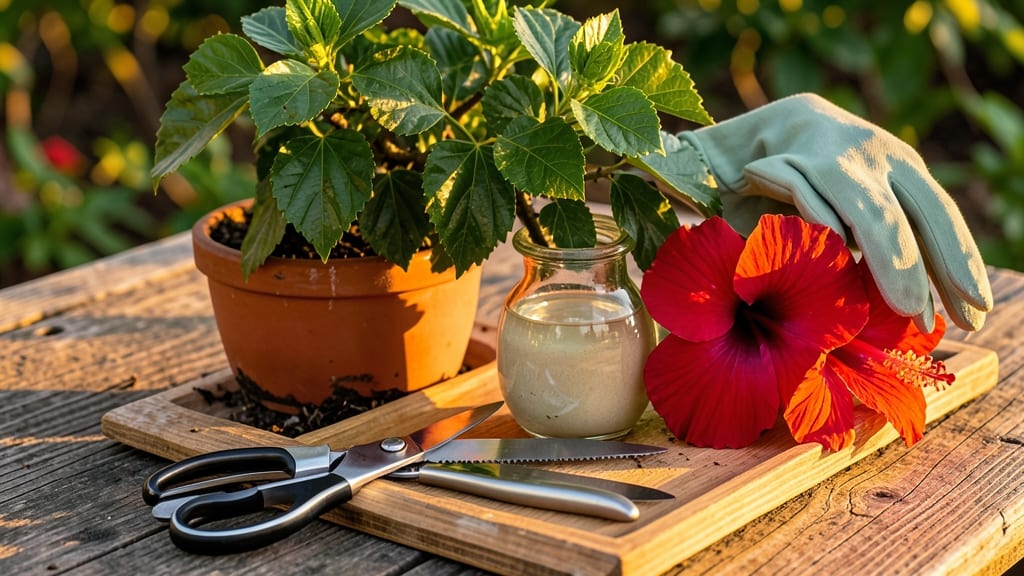
Harvesting hibiscus flowers at the right moment makes all the difference—whether you're crafting stunning bouquets or savoring their delicate flavors. These vibrant blooms wilt fast if picked too early or late, so timing is everything for that perfect pop of color and freshness.
I’ve learned the hard way that morning is the golden hour for harvesting—when petals are fully unfurled and brightest. But there’s more to it than just the clock.
From July to September, your hibiscus thrives in zones like 6a, offering the best yield, but knowing exactly when to snip ensures your flowers last longer, whether you’re drying them or arranging them fresh.
If you’ve ever struggled with wilting hibiscus too soon, you’re not alone. The secret lies in gentle techniques that protect the plant while maximizing bloom quality. I’ll walk you through the best tools, precise cutting methods, and even how to revive drooping stems so your harvest stays stunning for days.
Ready to turn your garden’s 🌸 hibiscus into long-lasting treasures? Let’s dive into the exact steps to harvest, preserve, and enjoy these tropical beauties at their peak.


The best time of day and season to harvest hibiscus flowers
Timing is everything when harvesting hibiscus flowers. The difference between a vibrant, long-lasting bloom and one that wilts within hours often comes down to when you pick it.
I’ve found that morning harvests yield the freshest flowers, but seasonal factors also play a critical role—especially if you’re in USDA Zone 6a or warmer climates.
Hibiscus blooms open fully by 7-9 AM, when petals are brightest and most hydrated. This is the ideal window to cut stems for bouquets or preservation. In contrast, harvesting in the evening or after rain can lead to drooping petals and shorter vase life.
The key is patience—wait until the flower is fully unfurled but hasn’t started fading.
Seasonally, July through September is peak harvest time for most hibiscus varieties, especially in temperate climates. Tropical hibiscus, however, may bloom year-round in warmer zones.
If you’re in a cooler climate, focus on harvesting before the first frost (October 31 in Zone 6a), as cold temperatures can damage stems and reduce longevity.
Weather also impacts harvest quality. Overcast days are ideal for cutting, as direct sunlight can cause petals to wilt faster after harvesting. Avoid picking after heavy rain, as excess moisture in stems shortens vase life. I’ve learned to check the stem firmness—if it bends easily, it’s not ready yet.
Now, let’s compare the best harvesting windows side by side to help you decide the perfect moment for your hibiscus.
| Time of Day | Best Conditions | Petal Condition | Vase Life |
|---|---|---|---|
| Morning (7-9 AM) | Overcast, dry stems | Fully open, vibrant | 5-7 days |
| Afternoon (12-3 PM) | Partial shade, avoid heat | Slightly wilted edges | 3-5 days |
| Evening (4-6 PM) | Avoid if humid | Dull, drooping | 1-3 days |
In tropical climates, hibiscus may bloom year-round, but the coolest months (November-February) still offer the best quality blooms. If you’re growing hibiscus in containers, bring them indoors before frost to extend the harvest season.
I’ve kept potted hibiscus thriving on a sunny patio until late fall by moving them under a cloche or greenhouse.
Seasonal variations also affect stem strength. In summer, stems are woody and firm, making them ideal for cutting. In spring or fall, stems may be softer, so handle them with care to avoid breaking at the base.
Always cut at a 45-degree angle just above a leaf node to encourage new growth.
For culinary uses, like hibiscus tea, harvest fully open flowers in the morning and dry them immediately in a well-ventilated area. The earlier you process them, the better the flavor and color retention.
I’ve found that drying hibiscus in a single layer on a screen preserves their vibrant hue far better than bunching them.
If you’re harvesting for bouquets, focus on fully bloomed flowers with buds still attached—this extends the arrangement’s life. Remove any leaves that will sit underwater to prevent bacterial growth in your vase.
A quick trim of the stem under water after cutting can also hydrate the flowers instantly.
Remember, over-harvesting weakens your hibiscus plant. Never take more than 1/3 of the blooms at once, and always leave some buds to encourage regrowth. With the right timing, your hibiscus will reward you with bold, long-lasting blooms all season long.
Step-by-step guide to harvesting hibiscus without damaging the plant
Harvesting hibiscus flowers the right way means preserving both the plant’s health and your blooms’ beauty. A sharp cut at the perfect angle encourages new growth while preventing disease.
I’ve found that using the right tools and technique makes all the difference—especially when dealing with thorny stems that can snag easily.
Start by gathering your essential tools: a pair of clean, sharp pruners (or scissors for smaller stems), a bucket of cool water, and a small container for discarded leaves.
Avoid using dull blades, as they crush stems and invite bacterial infections. Disinfect your tools with rubbing alcohol before each use to prevent spreading plant diseases.
- 1 Identify the perfect bloom: Choose flowers with fully open petals that are vibrant and flat. Avoid buds that haven’t opened or flowers showing signs of fading.
- 2 Locate the stem base: Find the point where the flower stem meets the main branch. Look for a leaf node (a small bump where leaves grow) just above this junction—this is where you’ll make your cut.
- 3 Make a 45-degree cut: Position your pruners at a 45-degree angle just above the leaf node. This increases the stem’s surface area for water absorption, keeping flowers fresh longer. Cut cleanly in one motion.
- 4 Immerse stems immediately: Place cut stems in your cool water bucket within seconds. This prevents air bubbles from blocking water uptake. Remove any leaves that will sit underwater to reduce bacterial growth.
- 5 Prune for future blooms: After harvesting, inspect the plant for dead or diseased branches. Remove them with your pruners, cutting at the same 45-degree angle. This encourages new growth and prevents pests from nesting.
Never harvest more than 1/3 of the plant’s blooms at once to avoid stressing it. If you’re pruning for shape, focus on removing overcrowded branches first—this improves airflow and reduces disease risk. I’ve noticed that hibiscus plants respond best to light pruning sessions every 2-3 weeks during peak bloom season.
For culinary uses, like making hibiscus tea, harvest flowers in the morning and dry them immediately in a well-ventilated area. Spread them in a single layer on a screen or paper towel to preserve their color.
If you’re using them fresh, gently rinse the petals and pat them dry before storing in the fridge for up to 3 days.
With these techniques, your hibiscus will stay healthy and bloom profusely all season. The key is consistency—harvesting at the right time, using proper tools, and giving your plant the care it deserves. Your efforts will be rewarded with stunning, long-lasting flowers that brighten up any space. 🌸