
Mower
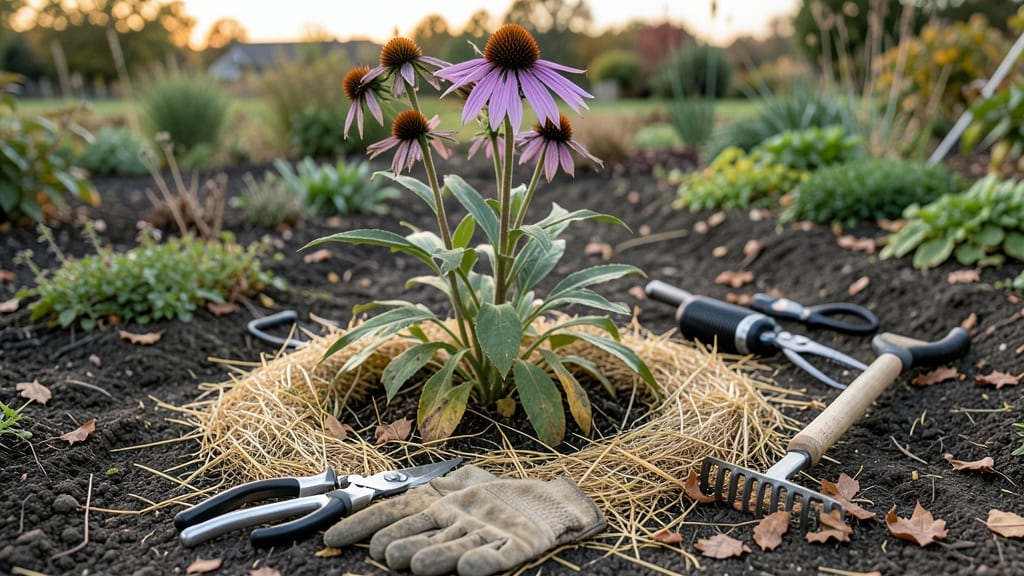
Winterizing your 🌼 coneflowers is the game-changer that keeps them blooming bigger and stronger every spring—no guesswork required. If you've ever watched those tall stems flop under snow or wondered whether to cut them back before frost, you're not alone.
The right steps now mean fewer dead stalks next year and more vibrant 3-5 ft plants ready to steal the show in summer.
I’ve tested what works (and what doesn’t) across USDA Zone 6a winters, and the key is timing: prune at the right moment, mulch just enough, and protect those roots without smothering them.
Skip these steps, and you might end up with leggy stems or weak regrowth—no one wants that after all your spring planting efforts.
Let’s break it down into simple, foolproof actions you can tackle in 30 minutes or less. Whether you’re a first-time gardener or a seasoned pro, these tips will save you time, frustration, and maybe even a few extra blooms next season. Ready to set your coneflowers up for success?
From the best height to cut back to the ideal mulching depth, I’ll walk you through each step—so you can enjoy those July-September flowers without the winter worry. Let’s get started.
When and how to prune coneflowers for winter survival
Pruning coneflowers (Echinacea) for winter is one of the most critical steps to ensure strong regrowth and vibrant blooms next season. Many gardeners make the mistake of cutting back too early or too late, which can weaken the plant or leave it vulnerable to frost damage.
The key is timing—late fall is ideal, but early spring works too, depending on your USDA zone.
I’ve learned from experience that coneflowers left standing through winter provide natural insulation for the roots, but they also harbor pests and diseases if not properly managed. The goal is to remove dead foliage while preserving the plant’s energy reserves.
Let’s break down the exact steps to do this right, so you can enjoy healthier plants and more flowers in spring.
- Step 1: Wait until late fall (after the first frost) or early spring (before new growth appears). For USDA zones 3-5, aim for October-November; for zones 6-9, December-January works best.
- Step 2: Use clean, sharp pruners or bypass shears to avoid crushing stems. Disinfect tools with rubbing alcohol to prevent disease spread.
- Step 3: Cut back stems to 3-6 inches above the ground. This height allows sunlight to reach the crown while protecting the roots from extreme cold.
- Step 4: Remove any dead or diseased foliage first. Toss these in the trash—not the compost—to avoid reinfecting your garden.
- Step 5: Leave seed heads intact if you want to attract birds or collect seeds. Otherwise, snip them off at the base.
- Step 6: Apply a 2-3 inch layer of mulch (straw or shredded leaves) around the base. This insulates roots and retains moisture.
- Step 7: Avoid pruning in freezing temperatures or when the ground is frozen. Wait for a mild day to make cuts.
One common mistake I see is cutting coneflowers back too short, which can expose the crown to frost and weaken the plant. Another is pruning too early in fall, which stimulates new growth that won’t survive winter. Always prioritize root protection over aggressive trimming.
If you’re in a warmer climate (zones 8-10), you can delay pruning until early spring. The rule of thumb is to wait until you see new shoots emerging—this ensures you’re not removing next year’s blooms by accident.
Pro tip: Label your pruned stems if you’re experimenting with different heights. This helps track which method yields the healthiest regrowth in your specific microclimate. I’ve found that 4-5 inch stubs work best for most varieties.
After pruning, resist the urge to over-mulch. Too much mulch can suffocate the plant and trap moisture, leading to rot. Stick to 2-3 inches and keep it 2-3 inches away from the stem to prevent crown issues.
Finally, don’t compost diseased cuttings. Instead, bag them and dispose of them in the trash. This simple step can save your entire garden from fungal infections like powdery mildew or black spot.
With these steps, your coneflowers will bounce back stronger in spring, producing bigger blooms and healthier foliage than ever before. Happy pruning!
Protecting coneflowers from harsh winter conditions: mulching and sheltering tips
Coneflowers (Echinacea) are hardy perennials, but extreme cold or heavy snowfall can stress them if not properly protected. In USDA zones 3-5, where winter temperatures drop below 0°F (-18°C), mulching and sheltering become essential to prevent root damage and ensure strong spring regrowth.
The right approach depends on your local climate and the maturity of your plants.
Mulching acts as a protective blanket, insulating roots from freezing temperatures while retaining moisture. However, not all mulches are equal—some materials break down too quickly, while others can smother plants if applied incorrectly.
For coneflowers, the goal is to create a 3-4 inch layer that shields roots without suffocating the crown. Let’s break down the best options and techniques for your region.
| Mulching Material | Best For | Application Depth | Pros | Cons |
|---|---|---|---|---|
| Straw | Cold climates (Zones 3-5) | 3-4 inches | Insulates well, breaks down slowly | May harbor weeds if not fresh |
| Shredded Leaves | Mild winters (Zones 6-7) | 2-3 inches | Free, improves soil over time | Can mat down if too wet |
| Pine Needles | Acidic soil regions | 3-4 inches | Acidifies soil, repels pests | Can make soil too acidic over time |
| Straw + Leaves (Layered) | Heavy snowfall areas | 4-5 inches total | Balances insulation and drainage | More labor-intensive |
For regions with extreme cold or heavy snow, consider adding a burlap wrap around the base of mature coneflowers. This creates an extra barrier against windburn and frost heave.
Simply wrap the crown loosely with burlap, securing it with twine, and remove it in early spring once the ground thaws. Avoid plastic, as it can trap moisture and cause rot.
If you’re in Zone 3 or colder, where temperatures can plummet below -20°F (-29°C), consider using a frost blanket or even a mini hoop house for young plants. These provide an additional layer of protection while allowing light and air circulation.
Remember to secure the blanket with bricks or stakes to prevent wind damage, and remove it as soon as new growth appears in spring.
Timing is everything when it comes to mulching. Apply mulch after the first hard frost but before the ground freezes solid. This ensures the roots are already in a dormant state and won’t be shocked by sudden temperature changes.
In warmer climates (Zones 8-10), where winters are mild, you can skip mulching entirely or use a thin layer of straw (1-2 inches) to retain moisture during occasional frosts.
Finally, avoid piling mulch directly against the crown of the plant, as this can trap moisture and lead to rot. Instead, create a doughnut-shaped ring around the base, leaving the center clear.
This simple adjustment can make all the difference in preventing disease and ensuring your coneflowers bounce back stronger in spring.