
Flowers
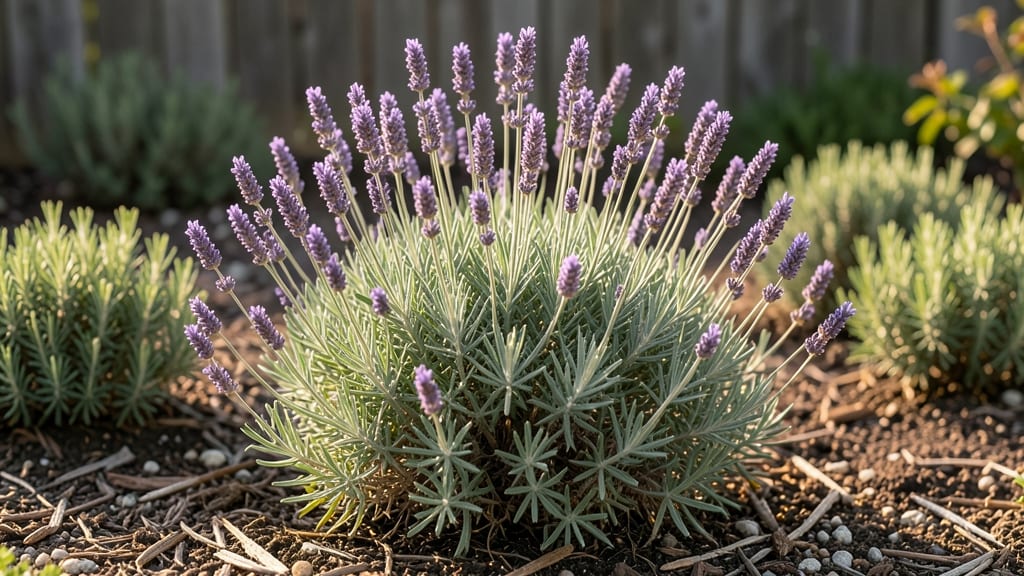
Timing is everything when it comes to growing the lavender flower time—especially if you want those fragrant 🌸 blooms to thrive without freezing in your first frost. Planting lavender at the right moment means the difference between a lush, aromatic garden and a sad, struggling shrub struggling to survive.
In USDA Zone 6a, where I’ve spent years perfecting my lavender patch, the sweet spot for planting is between March and April. This window gives your lavender enough time to establish roots before summer heat hits, setting the stage for a stunning June to September bloom.
But getting it wrong? You might end up with stunted growth or worse—frost damage before the flowers even appear.
What if you’re not sure when your last frost hits? I’ll show you how to calculate your local zero-frost deadline so you can plant with confidence, no matter where you live. Plus, I’ll share my top tips for encouraging longer blooms and protecting your lavender from late-season chills.
Ready to transform your garden into a fragrant paradise? Let’s dive into the exact steps to plant lavender for zero-frost success—so you can enjoy those purple spikes year after year.
Optimal lavender flower time: planting zones and frost-free deadlines
Understanding your USDA planting zone is the first step to timing lavender planting perfectly. Lavender thrives in zones 5-10, but the exact frost-free window varies dramatically—from early March in Zone 10 to late May in Zone 5.
Planting too early risks frost damage to tender roots, while planting too late delays blooms until fall. I’ve learned this the hard way with my first lavender patch in Zone 6a, where a late frost wiped out my early spring planting!
Your last frost date is the critical deadline. For most gardeners, this falls between April 15 and May 15, depending on your zone. To find your exact date, check the National Oceanic and Atmospheric Administration (NOAA) frost maps or use a local garden extension service.
I recommend planting lavender 4-6 weeks before your last frost date to give roots time to establish before summer heat arrives.
Lavender’s flowering window typically spans late spring to summer, but timing varies by variety. English lavender blooms earliest (June), while Spanish lavender often flowers later (July-August). In my garden, I’ve found that Grosso lavender produces the longest blooms—from June through September—when planted at the right time.
The key is ensuring your plants are mature enough to handle summer heat before blooming.
Here’s how to calculate your personalized frost-free window for lavender:
- Find your USDA zone (use the USDA Plant Hardiness Zone Map)
- Locate your last frost date (NOAA or local records) 3.
Subtract 6 weeks to determine your ideal planting window 4. Add 2 weeks buffer for cooler years
For example, in Zone 7b, where last frost averages April 10, I plant lavender between February 20 and March 10. In Zone 9a, with a last frost around January 15, planting starts as early as November.
This zone-specific approach ensures your lavender establishes roots before summer heat arrives.
Now let’s break down the exact planting windows by zone, including frost-free deadlines and ideal months for maximum blooms:
| USDA Zone | Last Frost Date | Planting Window | Bloom Time | Key Tip |
|---|---|---|---|---|
| Zone 3-4 | May 15-June 1 | April 1-May 15 | July-September | Use cold-hardy varieties like Munstead |
| Zone 5 | April 20-May 5 | March 15-April 15 | June-August | Plant in south-facing slopes for warmth |
| Zone 6a | April 15 | March 1-April 1 | June-September | Mulch heavily in fall for winter protection |
| Zone 7-8 | March 15-April 10 | February 1-March 15 | May-July | Avoid overwatering in humid climates |
| Zone 9-10 | January 15-February 1 | November-December | March-May | Plant in winter to avoid summer heat stress |
Notice how Zone 3-4 gardeners plant later than Zone 9-10? This reflects lavender’s need to establish roots before summer heat arrives. In cooler zones, the extended planting window accounts for slower root growth.
Meanwhile, in warm zones, planting in winter avoids the intense summer sun that can scorch young plants.
One common mistake I see is planting lavender too close to the last frost date. Young lavender roots are extremely sensitive to cold, and even a light frost can stunt growth. I recommend adding 2-3 extra weeks of buffer time if your zone has unpredictable frost patterns.
For example, in Zone 6a, I plant by March 15 even if frost isn’t expected until April 15.
For gardeners in transition zones (like Zone 7a), I suggest checking your microclimate. A south-facing bed warms up faster than a north-facing one, potentially extending your planting window by 1-2 weeks.
I’ve successfully planted lavender in my Zone 7a garden by February 28 in sunny spots, while shadier areas required waiting until March 15.
Pro tip: If you’re unsure about your local frost dates, observe your neighbors’ gardens. When do tomatoes or peppers go in? Those plants have similar frost sensitivity to lavender. Also, consider using row covers for early plantings
How to plant lavender for maximum bloom time: Step-by-Step zero-frost strategy
Planting lavender at the right time ensures your garden will burst with fragrant purple blooms before the first frost. In my experience, the key to a zero-frost strategy lies in four critical steps: soil preparation, optimal spacing, sunlight positioning, and post-planting care.
Skipping any of these can delay blooming or leave your lavender vulnerable to winter damage.
For USDA Zone 6a, where I garden, the ideal planting window is 4-6 weeks before the last frost date. This means if your last frost is April 15th, you should plant between March 15th and March 30th.
Adjust this window by 2-4 weeks earlier in cooler zones (like 3-5) and 1-2 weeks later in warmer zones (7-10).
Step-by-Step Zero-Frost Planting Guide
- 🌱 Step 1: Test and Amend Soil
Lavender thrives in well-draining, alkaline soil (pH 6.5-7.5). Test your soil—if it’s too acidic, mix in 2-3 inches of coarse sand or crushed granite to improve drainage. Avoid heavy clay, which causes root rot. - ☀️ Step 2: Choose the Sunniest Spot
Select a location with 6-8 hours of direct sunlight. South-facing slopes or rooftops work best. If your yard lacks full sun, lavender may produce fewer blooms or become leggy. - 📏 Step 3: Space Plants for Airflow
Space lavender plants 18-24 inches apart in rows 2-3 feet apart. Proper spacing prevents fungal diseases and ensures each plant gets enough sunlight and airflow to thrive. - 🌿 Step 4: Plant at the Right Depth
Dig holes twice as wide as the root ball but only as deep. Gently remove the plant from its container, loosen roots, and place it so the top of the root ball sits just above soil level. Backfill with amended soil and tamp lightly. - 💧 Step 5: Water Deeply (Then Less Often)
Water deeply immediately after planting to settle the soil. After that, let the soil dry completely between waterings. Overwatering is the #1 killer of young lavender—it rots roots faster than frost can harm it! - ✂️ Step 6: Mulch Lightly for Frost Protection
Apply a 1-inch layer of gravel or pebbles around the base (not touching the stem). This insulates roots from temperature swings while allowing excess water to drain. Avoid organic mulch—it retains too much moisture.
After planting, monitor your lavender closely for the first 30 days. Young plants are most vulnerable to late frosts or overwatering. If temperatures dip below 20°F, cover plants with a frost blanket or burlap.
Once established (after 60 days), lavender becomes surprisingly hardy and can handle light frosts without protection.
To encourage longer bloom time, prune lavender lightly after flowering by cutting back 1/3 of the current year’s growth. This stimulates bushier growth and more blooms next season. Avoid heavy pruning—it removes next year’s flower buds and weakens the plant.
With these steps, your lavender will reward you with vibrant blooms from June through September, even in frost-prone climates. The secret? Planting at the right time and giving your lavender the perfect growing conditions from day one. 🌸