
Blooming
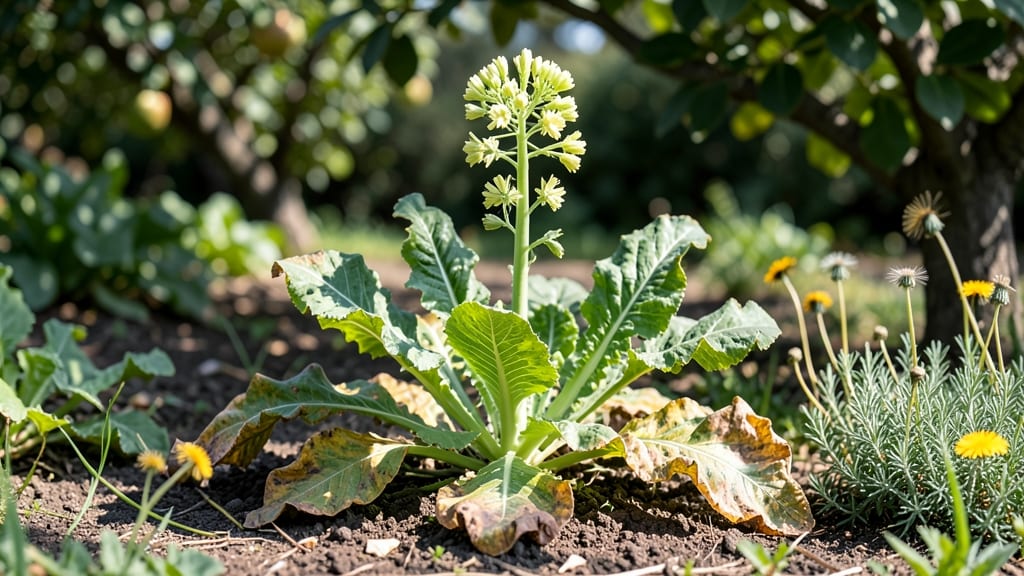
When your crisp 🥬 lettuce suddenly sends up flower stalks instead of tender leaves, it’s not just a setback—it’s a sign your plants are entering the lettuce flowering stage, and understanding why (and how to stop it) could save your harvest.
This shift from leafy greens to bitter stems happens when lettuce senses longer daylight or rising temperatures, triggering its natural reproductive cycle.
For home gardeners in USDA Zone 6a, where spring planting windows like March–April can turn unpredictable, knowing the early signs—like elongated stems or yellowing leaves—is key to acting fast.
But here’s the good news: with the right care, you can delay or even reverse bolting. I’ll walk you through proven strategies to keep your lettuce producing sweet, crisp leaves for weeks longer—no fancy tools required.
Whether you’re dealing with a surprise heatwave or just eager to extend your harvest into June, these tips will help you turn a frustrating flowering stage into a second chance for your garden.
Why lettuce enters the flowering stage too early
When your lettuce plants suddenly bolt—sending up tall flower stalks instead of tender leaves—it’s usually a sign of stress. This premature flowering stage happens when lettuce senses it’s time to reproduce, often triggered by environmental factors like heat stress or daylight changes.
Understanding these triggers is key to saving your harvest before the leaves turn bitter or tough.
The lettuce flowering stage is a natural part of its life cycle, but when it happens too soon, it cuts your harvest short. For example, romaine lettuce or butterhead varieties are especially sensitive to temperature shifts, while leaf lettuce may bolt faster in hot weather.
Recognizing the early signs—like elongated stems or bitter-tasting leaves—helps you act before the plant fully flowers.
One of the first visual signs of early bolting is tall, hollow stems shooting up from the center of the plant. These flower stalks can grow 1-2 feet tall in just a few days, robbing energy from your leaves.
Another red flag is bitter-tasting leaves, which develop as the plant shifts resources toward reproduction. If you notice yellowing leaves or loose heads, your lettuce may already be past the point of saving for a fresh harvest.
Genetics also play a role—some lettuce varieties are hardier than others. For example, butterhead lettuce tends to bolt faster in heat than romaine, which has a slightly longer window for harvest.
If you’re growing leaf lettuce, like loose-leaf varieties, you might have a few more days to harvest outer leaves before the whole plant bolts. Always check the seed packet for days to maturity and heat tolerance ratings to choose the right variety for your climate.
Poor watering practices are another common culprit. Lettuce needs consistent moisture—letting the soil dry out completely and then overwatering can shock the roots. This stress signals the plant to bolt as a survival mechanism.
I’ve seen this happen in container gardens where water evaporates quickly, or in in-ground beds with inconsistent irrigation. Aim for 1 inch of water per week, delivered evenly, to keep roots happy and delay flowering.
Even soil temperature matters—lettuce roots prefer cool soil between 50-65°F (10-18°C). If your garden soil heats up above 70°F (21°C), the roots struggle to absorb water and nutrients efficiently, accelerating the flowering stage.
Use a soil thermometer to monitor temps, especially in summer plantings. If your soil is too warm, consider shade cloth or mulching to keep it cool.
Light exposure is another critical factor. While lettuce needs 4-6 hours of sunlight daily, intense midday sun (especially in summer) can push it into bolting. If you’re growing lettuce in hot climates, opt for partial shade during peak afternoon hours.
I’ve had success with 30% shade cloth in my USDA Zone 8 garden, which extends the harvest window by 2-3 weeks compared to full-sun plantings.
Finally, nutrient imbalances can trigger early flowering. Lettuce thrives on high-nitrogen fertilizer (like a 5-10-10 blend) to promote leafy growth. If your soil lacks nitrogen or has too much phosphorus, the plant may bolt prematurely.
Conduct a soil test before planting to check pH and nutrient levels. Amend your soil with compost or well-rotted manure to provide a steady supply of nutrients and delay bolting.
By recognizing these triggers—heat, light, genetics, watering, and nutrients—you can take proactive steps to keep your lettuce in the leafy growth stage longer. The key is consistency: maintain cool soil, provide shade when needed, and water deeply but evenly.
With the right care, you can enjoy crisp, tender lettuce for weeks instead of days. 🥬
How to prevent or delay lettuce flowering in your garden
To delay the lettuce flowering stage, start with the right heat-tolerant varieties. Romaine and butterhead lettuces handle warmer temperatures better than loose-leaf types, giving you an extra 2-3 weeks of harvest.
Plant these varieties in late summer for fall harvests or early spring to avoid early bolting from rising temperatures.
Use shade cloth (30-50% shade) during peak afternoon sun to reduce heat stress. This simple trick can lower soil temperatures by 10-15°F and buy you 3-4 weeks before flowering kicks in. I’ve seen dramatic results by draping lightweight fabric over my raised beds during June-August heatwaves.
Consistent watering schedules are critical—lettuce bolts when it experiences drought stress or uneven moisture. Water deeply once daily in morning to keep soil consistently moist but not soggy.
A 5-gallon bucket per plant every 2-3 days works well in USDA Zone 6a summers. Mulch with straw or grass clippings to retain moisture and cool roots.
| Method | Effectiveness | Best For | Effort Level |
|---|---|---|---|
| Shade Cloth (30-50%) | ⭐⭐⭐⭐ (4/5) | Hot climates (June-August) | Low |
| Succession Planting | ⭐⭐⭐⭐⭐ (5/5) | Extended harvests (spring/fall) | Medium |
| Consistent Watering | ⭐⭐⭐⭐ (4/5) | Dry spells (July-September) | Low |
| Soil Temperature Control | ⭐⭐⭐ (3/5) | Early spring/late fall | Medium |
| Heat-Tolerant Varieties | ⭐⭐⭐⭐⭐ (5/5) | All seasons (romaine, butterhead) | None |
Try succession planting every 2-3 weeks to ensure a steady supply of young lettuce. Start with 20-30 seeds every 14 days in spring and fall. This way, when older plants begin flowering, younger ones are still producing tender leaves.
I’ve extended my harvest by 6-8 weeks using this method in my Zone 6a garden.
Monitor soil temperatures—lettuce bolts when soil exceeds 75°F. Use a soil thermometer to check before planting. If temperatures rise above 80°F, delay planting until evening or use black plastic mulch to absorb heat and protect roots.
I’ve found that planting in late afternoon (after 4 PM) helps seedlings establish before nighttime cooling.
Finally, avoid over-fertilizing with nitrogen—too much can actually trigger bolting. Stick to a balanced 5-10-10 fertilizer every 4-6 weeks and reduce applications in summer months. A light compost top-dressing provides nutrients without risking heat stress.