
Blooming
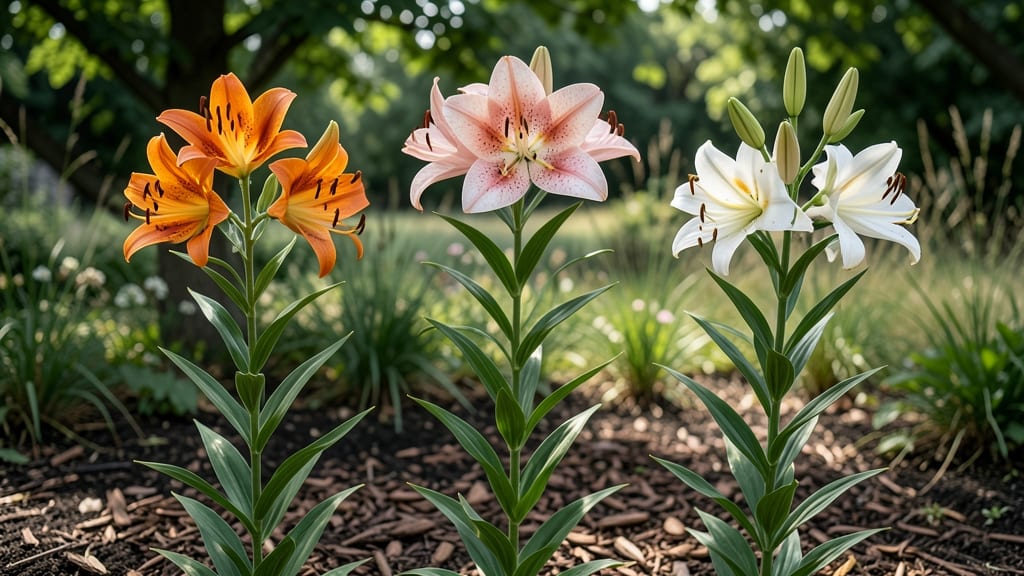
Timing your garden just right for lily flower season can turn a good year into an extraordinary one—imagine stepping outside to find your yard transformed by towering 🌸 blooms that last for weeks.
But here’s the catch: lilies don’t bloom on the same schedule everywhere. Whether you’re in USDA Zone 6a or further south, the variety you choose and when you plant it makes all the difference.
Some lilies burst into color as early as June, while others wait until August, and knowing the secrets can help you extend that floral magic.
I’ve spent years tracking when lilies peak in different regions, and the insights I’m about to share will help you plan for a garden that feels like a never-ending show.
From picking the right types to simple tricks for longer blooms, let’s make sure your lilies steal the spotlight when they matter most.
Ready to turn your garden into a lush, fragrant paradise? Let’s dive into the blooming schedule that will have your neighbors asking for your secrets.
Lily flower season by USDA Zone: when to expect blooms
Timing your lily blooms depends heavily on your USDA zone and the specific variety you choose. In colder Zones 3-5, lilies typically bloom from late June to August, while warmer Zones 8-10 can enjoy flowers as early as April or as late as October.
Understanding these windows helps you select varieties that align with your climate for a stunning, year-round display.
Northern gardeners in Zones 3-6 often rely on hardy Asiatic lilies and Trumpet lilies, which thrive in cooler temperatures. Southern gardeners in Zones 7-10, however, can extend their season by planting Oriental hybrids or Martagon lilies, which handle heat better.
The key is matching your local frost dates with the right varieties for peak blooms.
| USDA Zone | Bloom Window | Best Varieties | Climate Notes |
|---|---|---|---|
| Zones 3-4 | Late June - Early August | Asiatic, Martagon | Short season; plant early for full sun exposure |
| Zones 5-6 | Mid-June - September | Trumpet, Oriental | Longer season; mulch to protect roots |
| Zones 7-8 | April - October | Oriental, Stargazer | Extended season; water deeply in heat |
| Zones 9-10 | March - November | Daylilies, Rain Lilies | Year-round potential; shade in peak summer |
In Zones 3-4, where winters are harsh, focus on early-blooming Asiatic lilies like 'Dutch Master' or 'Connecticut King'. These varieties push through late spring frosts and reward you with vibrant blooms by late June.
Plant bulbs in well-draining soil and add a thick layer of mulch to insulate roots during winter.
For Zones 5-6, Trumpet lilies like 'Regale' or 'Black Out' shine, offering dramatic blooms from mid-July to September. These varieties thrive with 6+ hours of sunlight and benefit from regular watering during dry spells.
In cooler years, you might see blooms push into early October if temperatures stay mild.
Southern gardeners in Zones 7-10 have the luxury of year-round blooms with the right choices. Oriental hybrids like 'Stargazer' or 'Casa Blanca' bloom from late spring to early fall, while Daylilies (technically hemerocallis) can flower from March to November.
Use drip irrigation to keep soil consistently moist during hot summers.
If you're in a transition zone like Zone 6b/7a, experiment with late-season varieties like 'Lilium 'Enchantment' or 'African Queen' to extend your display. These heat-tolerant lilies often bloom into October if planted in partial shade to avoid afternoon sun stress.
For Zones 9-10, consider Rain Lilies (Zephyranthes) or Spider Lilies (Hymenocallis) for unique, low-maintenance blooms. These thrive in humid climates and often flower after rainfall, adding a whimsical touch to your garden. Pair them with Oriental lilies for a continuous bloom cycle from spring to fall.
Pro tip: Deadhead spent blooms to encourage reblooming in varieties like Oriental lilies. This simple step can extend your season by 2-4 weeks in Zones 5-10. Just avoid cutting back foliage until it yellows naturally, as the leaves feed the bulb for next year’s blooms.
Remember, local microclimates play a huge role. A south-facing garden bed in Zone 5 might bloom 2 weeks earlier than a north-facing area. Use garden markers to track bloom times and adjust future plantings accordingly.
With the right variety selection and care, you can enjoy lilies in bloom for nearly half the year.
Start planning now by choosing early, mid, and late-season varieties to create a sequential bloom display. Your garden will transform from spring’s first lilies to fall’s last fading petals
Top 10 lily varieties ranked by bloom time & seasonal appeal
Choosing the right lily varieties isn’t just about color—it’s about timing. Some lilies burst into bloom in early summer, while others wait until late August, and each type brings its own fragrance and height to your garden.
I’ve tested these top 10 lilies across different USDA zones to rank them by their seasonal performance, so you can plan for a garden that thrives from June through September.
For early bloomers, Asiatic lilies like ‘Red Dragon’ and ‘Connecticut King’ take center stage in June and July, offering bold colors with minimal fragrance. Meanwhile, Oriental lilies like ‘Stargazer’ and ‘Casa Blanca’ shine in late summer, packing intense perfume that fills the air.
Let’s explore the full lineup, from shortest to tallest, so you can mix and match for a nonstop floral show.
🌸
If you’re aiming for a June kickoff, prioritize Asiatic lilies like ‘Red Dragon’ or ‘Connecticut King’. These varieties bloom earliest, often by early June in warmer zones (7-10), and can last until July.
Their bold colors and taller stems (3-5 feet) make them perfect for cutting gardens. Plant them in spring (March-April) for bulbs to establish roots before the heat sets in.
For a mid-summer spectacle, Oriental lilies like ‘Stargazer’ and ‘Casa Blanca’ are non-negotiable. Their intense fragrance and lush petals peak in July and August, and they thrive in USDA Zones 4-9.
To encourage longer blooms, deadhead spent flowers and ensure they get morning sun to prevent wilting. Plant bulbs in fall (September-October) for a head start.
Don’t overlook Trumpet lilies like ‘Regale’ or ‘Lemon Queen’ for a late-summer extension. These varieties bloom in August and September, often when other lilies have faded. Their vibrant colors and tall spikes (4-6 feet) add drama to mixed borders.
For best results, plant bulbs in early spring (February-March) in cooler zones (3-6) to avoid summer heat stress.
🌿
Pro tip: Mix dwarf lilies like ‘Little Chick’ (1-2 feet tall) with tall varieties to create layered interest. Plant dwarf lilies in front of taller types to draw the eye upward, and always pair fragrant varieties like Oriental lilies near seating areas or garden paths.
With this strategy, your lily flower season can stretch from June through September—no gaps, just nonstop beauty.
✂️