
Mower
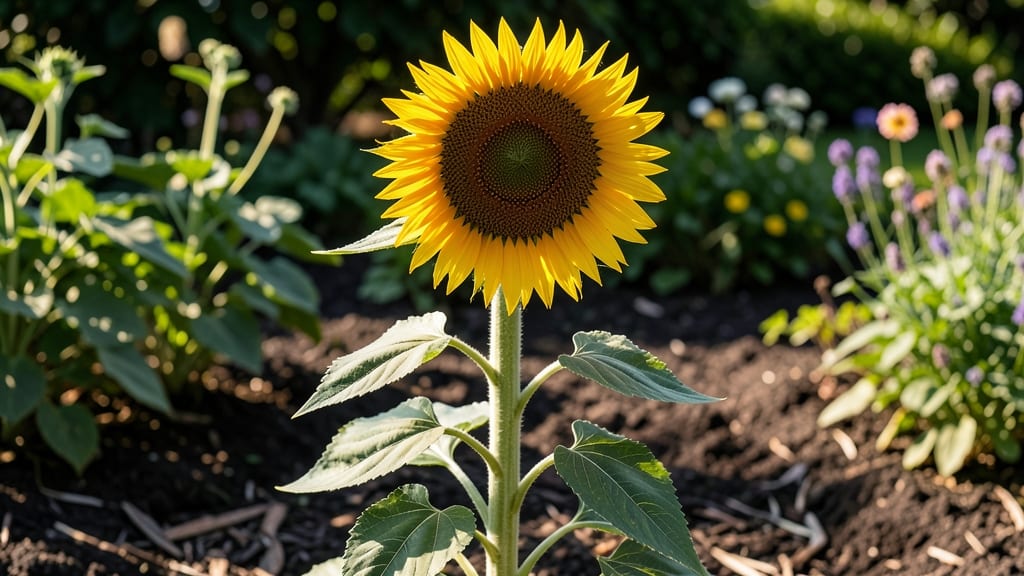
If you’ve ever dreamed of growing a Mammoth Russian sunflower with a height that could outshine your neighbors’ fences and block out the afternoon sun, these towering giants are your answer.
These towering giants can reach heights of 12-14 feet, making them the ultimate statement plants for any garden—but only if you plant them right.
But here’s the catch: without proper spacing, staking, and soil prep, even the hardiest stems can flop under their own weight. I’ve seen firsthand how a few simple adjustments can turn a wobbly, wind-blown mess into a sturdy, sun-drenched centerpiece that lasts all summer.
In this guide, I’ll walk you through everything you need to know—from planting depth and sunlight needs to the best ways to support those massive stems.
Whether you’re a first-time gardener or a seasoned pro, these tips will help you grow Mammoth Russian Sunflowers that reach their full potential without the drama.
Ready to turn your garden into a vertical sunflower paradise? Let’s get started with the secrets to growing these giants the right way.

Mammoth Russian sunflower height: growth stages & how tall they really get
The Mammoth Russian sunflower isn’t just tall—it’s a vertical marvel that can reach 12–16 feet under ideal conditions. But its height isn’t just about genetics; it’s a journey through distinct growth stages where every inch counts.
From a tiny seedling to a towering bloom, understanding these stages helps you predict—and maximize—its impressive stature. Whether you’re planning a dramatic garden backdrop or need to account for spacing, knowing how and why these giants grow so tall is essential.
Genetics play a starring role in determining final height, but environmental factors like sunlight exposure, soil fertility, and water consistency fine-tune the outcome. Some plants hit 14+ feet in optimal conditions, while others plateau at 10 feet due to less-than-ideal growing circumstances.
Regional variations also matter—cooler climates may slow growth, while warmer zones can accelerate it. Let’s break down the height progression stage by stage, so you can set your expectations (and your garden layout) accordingly.
🌱 Did You Know? The Mammoth Russian isn’t just one variety—it’s a family of sunflowers with slight genetic variations. Some cultivars, like 'Russian Giant', consistently top 14 feet, while others may max out at 12 feet. Always check seed packets for specific height ranges to avoid surprises.
At the seedling stage, your Mammoth Russian sunflower starts small—just 1–3 inches tall—but this is where the foundation for future height is laid. During the first 3 weeks, focus on keeping the soil moist but not soggy and ensuring it gets full sun exposure.
Cool soil temperatures can stunt early growth, so use black plastic mulch or a seedling heat mat if your climate runs chilly. This stage sets the stage for rapid vertical growth later.
By week 4, your sunflower enters the vegetative stage, where it can shoot up 3–6 feet in just a few weeks. This is the phase where staking becomes critical. Without support, stems can flop under their own weight, leading to bent or broken plants.
Use 3–4 foot stakes inserted 6 inches deep and tie stems loosely with soft plant ties. This stage also demands nutrient-rich soil—amend with compost or a balanced fertilizer to fuel rapid growth.
As your sunflower approaches bud formation (around 6–10 feet tall), you’ll notice the central bud beginning to form. This is where water consistency becomes non-negotiable. Uneven watering can cause buds to split or stems to weaken.
Aim for 1–2 inches of water per week, delivered at the base of the plant to avoid wetting the foliage (which promotes fungal diseases). The bud’s size and firmness will give you clues about its readiness to bloom.
Finally, the full bloom stage is where the Mammoth Russian sunflower reaches its peak height of 10–16 feet. Genetics dictate the upper limit—some plants are naturally taller due to hybrid vigor, while others may max out at 12 feet in less-than-ideal conditions.
Regional variations also come into play: warmer climates (like USDA Zone 8+) can push growth to 14+ feet, while cooler zones may see 10–12 feet. Wind resistance is another factor—exposed locations may stunt height due to constant flexing.
To encourage maximum height, avoid over-fertilizing with nitrogen after bud formation, as this promotes leafy growth at the expense of stem strength. Instead, switch to a phosphorus-heavy fertilizer (like 5-10-10) to support root and flower development.
Prune lower leaves to improve airflow and reduce disease risk, but avoid cutting into the main stem. With the right care, your Mammoth Russian sunflower will stand as a dramatic centerpiece that turns heads—and blocks out the sun!
🌻 Pro Tip: If you’re growing Mammoth Russians in
Optimal spacing & planting tips to maximize Mammoth Russian sunflower height
The key to growing Mammoth Russian sunflowers that reach their full 12-14 foot potential starts with proper spacing. These giants need room to develop deep roots and sturdy stems, so crowding them will only lead to weak growth and flopping.
I’ve found that spacing plants 3-4 feet apart gives them the elbow room they need to thrive without competing for nutrients.
Beyond spacing, the soil plays a crucial role in supporting their height growth. These sunflowers love well-draining soil rich in organic matter. Before planting, I always mix in a 2-3 inch layer of compost to provide the nutrients they’ll need to reach their towering heights.
A soil pH between 6.0 and 7.5 is ideal, so test your soil if you’re unsure.
Here’s what you need to focus on for maximum height potential:
- Space plants 3-4 feet apart to prevent overcrowding and allow deep root development.
- Plant seeds 1 inch deep in loose, well-draining soil to encourage strong stem growth.
- Use companion plants like marigolds or cosmos to improve airflow and reduce wind damage.
- Install stakes or cages early (when stems reach 2 feet tall) to support wind resistance.
- Water deeply once a week at the base to avoid weak stems from uneven moisture.
Companion planting is another secret weapon for maximizing height. I’ve had the best results when pairing Mammoth Russian sunflowers with tall grasses like switchgrass or lightweight perennials that won’t compete for space. These plants act as natural windbreaks, reducing the risk of stem breakage during storms or strong breezes.
For extra support, I recommend installing bamboo stakes or tomato cages as soon as the plants reach 2 feet tall. This gives them something to lean on as they grow taller, preventing them from bending or snapping under their own weight.
If you’re in a particularly windy area, consider adding a trellis system for added stability.
Finally, don’t forget that consistent watering is critical. These sunflowers need deep, infrequent watering—about 1-2 gallons per plant per week—to encourage strong root development. Watering at the base in the morning helps prevent fungal issues and keeps stems sturdy.
With these spacing and planting tips, your Mammoth Russian sunflowers will reach their full height potential and become the showstopper of your garden. Just remember: the right spacing and support make all the difference between a floppy mess and a towering masterpiece.