
Blooming
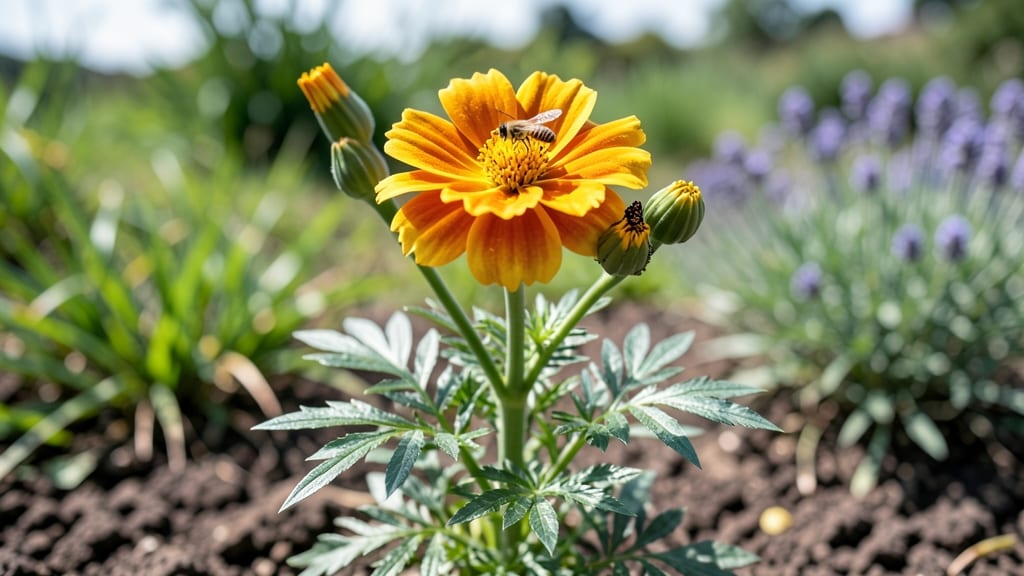
If you’ve ever planted marigolds hoping for a burst of golden-orange cheer during the marigold flower blooming season—only to be met with sparse blooms—you’re not alone.
The secret to success lies in timing, and even a few weeks off can mean the difference between a lush display and a few sad stems.
In Zone 6a, where spring’s last frost lingers until mid-April, marigolds planted in early April (after soil warms to 60°F) typically burst into bloom by July, with peak color stretching through October.
But here’s the catch: warmer climates (like Zones 8+) can push that window even earlier, while cooler regions might need a head start indoors. Let’s break down the exact months to plant, plus the simple tricks to keep your marigolds flowering until frost.
You’ll discover how deadheading spent blooms can extend your season by weeks, which fertilizers actually work (and which to avoid), and why 6+ hours of sunlight is non-negotiable. No guesswork—just a clear, month-by-month plan to turn your garden into a marigold paradise.
Ready to unlock the full potential of your marigolds? From choosing the right variety to troubleshooting weak blooms, this guide covers everything you need to know—so you can enjoy those fiery blooms from summer straight through fall.
Marigold blooming calendar: month-by-month peak seasons by variety
Marigolds are the garden's fiery superstars, but their blooming windows vary wildly by type and climate. French marigolds burst into color 60-70 days after planting, while African varieties take 70-90 days.
Signet marigolds—my personal favorites—often bloom 50-60 days later but pack extra-petaled drama. The key? Planting at the right time for your USDA zone ensures you won’t miss their peak seasons.
In warmer zones (8-11), marigolds can bloom year-round with staggered plantings, while cooler zones (3-7) see shorter seasons. I’ve grown marigolds in Zone 6a for years, and I’ve learned that early spring and late summer plantings are the secret to nonstop color.
Let’s break down the month-by-month blooming calendar for each variety so you can plan your garden like a pro.
🌼 PRO TIP: Use this calendar to extend your marigold season by planting successive batches every 3-4 weeks. For example, in Zone 7, I plant French marigolds in April, May, and June to ensure blooms from June through October. The trick is adjusting for frost dates—never plant before soil reaches 60°F!
| Variety | USDA Zones | Peak Blooming Months | Days to Bloom | Height (ft) | Color Palette |
|---|---|---|---|---|---|
| French Marigold | 3-11 | June–October (Zones 3-7) Year-round (Zones 8-11) |
60–70 | 0.5–2.5 | Gold, orange, yellow |
| African Marigold | 8-11 | July–November (Zones 8-11) May–September (containers) |
70–90 | 1.5–3 | Deep red, orange, cream |
| Signet Marigold | 5-10 | May–September (Zones 5-7) April–December (Zones 8-10) |
50–60 | 0.5–1.5 | Yellow, orange, bi-color |
| Early French (e.g., 'Bonanza') | 3-7 | May–July (first flush) | 50–55 | 0.5–1 | Golden yellow |
| Late African (e.g., 'Crackerjack') | 9-11 | August–November | 80–90 | 2–2.5 | Burnt orange |
Let’s dive into the month-by-month blooming rhythms for each variety. In June, French marigolds like 'Bonanza' are the first to shine, especially in Zones 4-6. I’ve seen them burst into golden blooms within 50 days of planting—perfect for early summer color. Meanwhile, in Zones 8-11,
How to extend marigold blooms: pruning, deadheading, and season-long care
Marigolds are nature's non-stop bloomers, but even these sun-loving stars need a little help to keep their golden and orange blossoms coming. The secret to a longer blooming season lies in three key practices: regular deadheading, strategic pruning, and smart soil care.
I’ve tested these techniques in my own garden, and the difference in season-long color is nothing short of dramatic.
Deadheading—removing spent blooms—is the #1 trick to encourage new flowers. When you skip this step, your marigolds waste energy producing seeds instead of bright new blossoms. Pair this with light pruning to shape your plants and prevent legginess, and you’ll have marigolds flowering from summer straight through fall.
🌼 Organic vs. Synthetic Fertilizers for Marigolds
Organic Fertilizers
- Pros:
- 🌱 Improves soil health long-term
- 🌱 Slow-release nutrients prevent burns
- 🌱 Eco-friendly and pet-safe
- Cons:
- 🐌 Slower results (2-4 weeks to see effects)
- 💰 More expensive per application
Synthetic Fertilizers
- Pros:
- ⚡ Fast-acting (results in 1-2 weeks)
- ⚡ Precise nutrient control (NPK ratios)
- ⚡ Cost-effective for large gardens
- Cons:
- 🌱 Can burn plants if overapplied
- 🌱 Depletes soil organic matter over time
💡 My Tip: For continuous blooms, I alternate between fish emulsion (organic) in spring and a balanced 5-10-10 (synthetic) in summer.
Start your deadheading routine as soon as you see the first blooms fade. Use clean, sharp pruning shears to snip just above the next set of leaves or buds. This redirects the plant’s energy to new flower production instead of seed development.
For African marigolds, which are taller and bushier, I deadhead every 3-5 days during peak bloom season.
Pruning isn’t just about cutting back—it’s about encouraging bushier growth. Pinch back the tips of young marigold plants when they’re about 6 inches tall to prompt branching.
This creates a fuller, more productive plant with more blooms. Avoid heavy pruning in late summer, though, as this can stunt fall flowering when days grow shorter.
Soil and nutrients play a huge role in extending your marigolds’ blooming season. Amend your soil with compost before planting to provide a steady supply of nutrients. During the growing season, feed your marigolds every 4-6 weeks with a balanced fertilizer (like 5-10-10).
Over-fertilizing with nitrogen can lead to leafy growth at the expense of flowers, so always follow the package instructions.
Finally, don’t forget the power of mulch. A 2-inch layer of organic mulch (like straw or shredded leaves) helps retain moisture, regulate soil temperature, and prevent early fading caused by temperature swings. Mulch also suppresses weeds, which can compete with your marigolds for nutrients and reduce blooming.
With these techniques, my marigolds have bloomed from July through October—sometimes even into November in warmer climates. The key is consistency: deadhead regularly, prune lightly, feed smartly, and keep the soil healthy. Your marigolds will reward you with non-stop color all season long! 🌼