
Mower
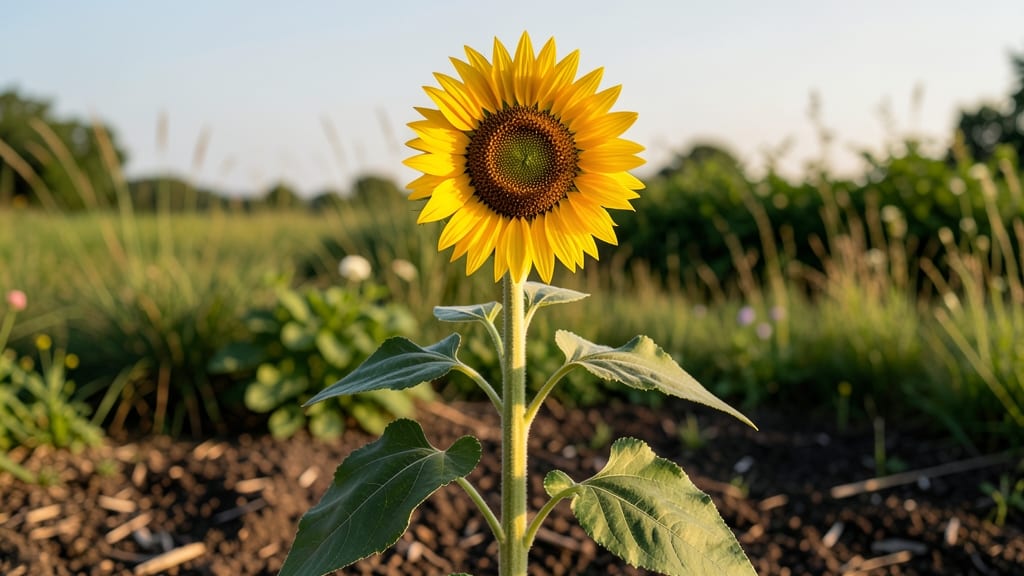
Mexican sunflower height by variety: from compact to sky-high
If you're dreaming of a dramatic garden backdrop, Mexican sunflowers (Tithonia rotundifolia) deliver with heights ranging from compact shrubs to towering giants.
The variety you choose determines whether your plants will reach 5 feet or 12 feet, making selection your first step toward a sun-drenched statement. Let’s explore the height spectrum and how to nurture each type for maximum impact.
Most gardeners assume all Mexican sunflowers grow tall, but dwarf varieties exist for smaller spaces. The 'Torch' series tops out at 3-5 feet, perfect for borders or containers, while 'Maxima' varieties can stretch 10-12 feet, rivaling traditional sunflowers.
Understanding these differences helps you plan for space, sunlight, and support before planting.
🌱
| Variety | Mature Height | Spread | Best For | Sun Needs | Soil Preference |
|---|---|---|---|---|---|
| 'Torch' (Dwarf) | 3–5 ft | 2–3 ft | Containers, borders | Full sun | Well-draining |
| 'State Medal' | 5–7 ft | 3–4 ft | Cut flowers, pollinators | Full sun | Average garden soil |
| 'Maxima' | 10–12 ft | 4–5 ft | Backdrops, tall screens | Full sun | Rich, moist soil |
| 'Sundance' | 6–8 ft | 3–4 ft | Pollinator gardens | Full sun | Well-draining |
| 'Golden Mexican' | 8–10 ft | 3–5 ft | Drought-tolerant areas | Full sun | Poor to average soil |
For compact varieties like 'Torch', prioritize containers or small garden beds to contain their spread. These sunflowers thrive in well-draining soil and full sun exposure, but their height makes them ideal for window boxes or patio planters.
If you’re growing them in pots, choose containers at least 12 inches deep to accommodate root growth.
Taller varieties like 'Maxima' demand spacious backyards or urban plots. Their 10-12 foot stature requires sturdy support—think trellises or stakes—to prevent flopping, especially in windy conditions.
Plant them 3–4 feet apart to allow airflow and reduce disease risk. In humid climates, add a layer of mulch to keep roots cool and moist.
🌿
Did you know? The color of Mexican sunflower blooms can hint at their height potential. Deep orange varieties like 'Maxima' often grow taller than yellow or red hybrids.
This isn’t a rule, but it’s worth noting when selecting seeds. For maximum height, pair tall varieties with nutrient-rich soil and regular fertilization during the growing season.
If you’re in a small-space garden, consider pruning techniques to control height. Pinching back new growth in early spring encourages bushier, shorter plants. For taller varieties, avoid heavy pruning—it can reduce flowering. Instead, focus on removing dead blooms to redirect energy upward.
🪴
One common misconception is that Mexican sunflowers need rich soil to reach their full height. While they do prefer fertile ground, they’re drought-tolerant once established. In <
How season and climate affect Mexican sunflower height growth
The Mexican sunflower (Tithonia rotundifolia) thrives under ideal conditions but can become stunted or overgrown depending on your local climate and planting season. Unlike annual sunflowers, these tropical natives respond dramatically to temperature shifts, sunlight intensity, and soil warmth.
Understanding these factors helps you predict—and even influence—how tall your plants will grow.
In hot, humid climates (Zones 9–11), Mexican sunflowers often reach their maximum height potential (8–12 feet) because they grow year-round. But in cooler regions (Zones 7–8), they may only hit 3–6 feet unless you plant them as annuals in spring.
The key lies in matching their tropical origins with your garden’s microclimate.
For spring planting, start seeds indoors 6–8 weeks before last frost to give roots a head start. Transplant after soil warms, and watch for rapid height gains (1–2 feet/month) in summer. In fall-planted gardens, growth slows as days shorten, but they’ll still bloom—just shorter.
In coastal climates, salt spray can damage foliage, reducing height by 20–30%. Use rain gardens or raised beds with fresh water to mitigate this. Meanwhile, inland desert gardens benefit from drip irrigation to prevent drought stress, which can shrink mature height by half.
Pro tip: Stake tall varieties early (even in summer) to prevent wind damage, which can snap stems and limit final height. Use bamboo stakes or tomato cages for support, and prune suckers to direct energy upward.
With the right climate tweaks, your Mexican sunflowers can reach their full genetic potential—no matter where you garden! 🌻