
Mower
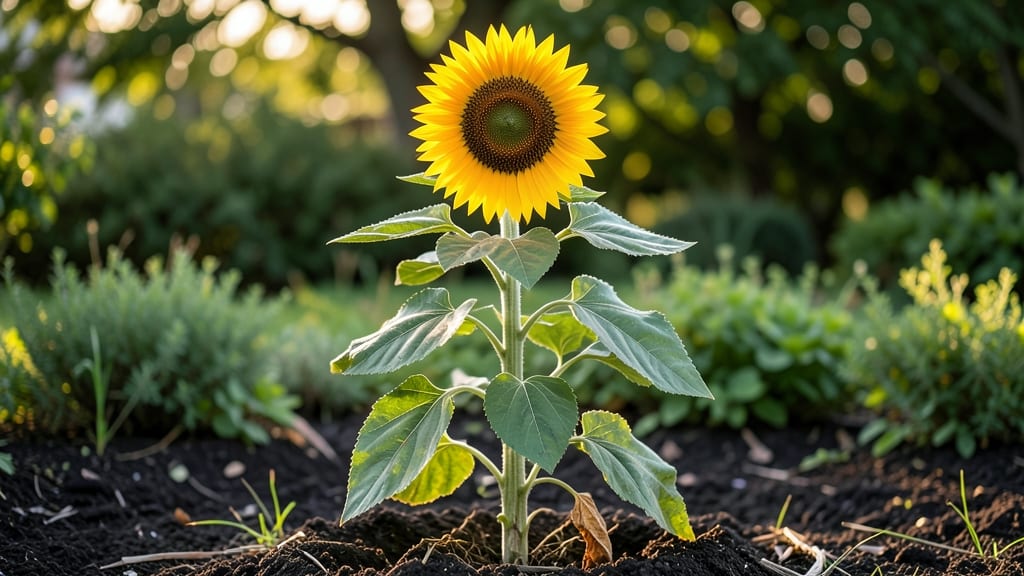
How tall does the Mongolian Giant Sunflower grow? Real height data & growth patterns
The Mongolian Giant Sunflower (Helianthus annuus 'Mongolian Giant') is one of the tallest sunflower varieties, capable of reaching heights that rival small trees. Under ideal conditions, these giants can grow between 12 to 18 feet, with some record-breaking specimens exceeding 20 feet.
If you're planning your garden layout, understanding their mature size is essential for proper spacing and support.
This variety is famous for its dramatic vertical growth, often outpacing other sunflowers like the Russian Giant (10-12 feet) or the Mammoth (8-10 feet). The Mongolian Giant isn't just tall—it's a statement piece in any garden, capable of creating a stunning focal point that draws attention and wildlife alike.
🌻
| Growth Stage | Height Range | Key Characteristics |
|---|---|---|
| Seedling (4-6 weeks) | 6-12 inches | Thin stems, rapid early growth |
| Vegetative (6-8 weeks) | 3-6 feet | Stems thicken, leaves expand |
| Flowering (8-10 weeks) | 8-12 feet | Bud formation, rapid vertical growth |
| Mature (10-12 weeks) | 12-18 feet (up to 20+ ft) | Full bloom, heavy seed heads |
| Record Specimens | 20-25 feet | Rare, requires perfect conditions |
The Mongolian Giant Sunflower doesn't reach its full height overnight—its growth is a gradual process influenced by multiple factors. During the first 4-6 weeks, seedlings grow quickly but remain relatively short (6-12 inches).
However, once they enter the vegetative stage (6-8 weeks), their stems begin to thicken, and they can shoot up 3-6 feet in just a few weeks.
By the time they reach the flowering stage (8-10 weeks), the real height surge begins. This is when they can add 5-10 feet in a short period, especially if they receive full sun (6+ hours daily) and nutrient-rich soil.
The final mature height of 12-18 feet is typically achieved by 10-12 weeks after planting.
🌿
Several factors can push a Mongolian Giant Sunflower toward the higher end of the height spectrum. Soil quality plays a critical role—well-draining, nitrogen-rich soil (pH 6.0-7.0) encourages robust root development, which supports taller growth. Sunlight exposure is equally important; these sunflowers thrive in full sun and may grow 30-50% taller in optimal conditions compared to shaded areas.
Climate also impacts height. In USDA Zones 6-9, where frost-free seasons are long, the Mongolian Giant has ample time to reach its full potential. Cooler climates may result in slightly shorter plants, while hot, dry summers can accelerate growth but may reduce overall height due to stress.
Proper watering (deep soaks every 3-5 days) ensures the plant maintains its vigor throughout the growing season.
💧
Comparing the Mongolian Giant to other sunflower varieties highlights its exceptional height. While standard sunflowers like the Autumn Beauty max out at 4-5 feet, or Mammoth varieties reach 8-10 feet, the Mongolian Giant stands head and shoulders above them.
Even the Russian Giant, another towering variety, typically only reaches 10-12 feet, making the Mongolian Giant the undisputed champion for height in the sunflower world.
If you're growing these giants in containers, expect slightly reduced heights (10-14 feet) due to root restriction. However, with large pots (20+ gallons) and proper support, container-grown Mongolian Giants can still achieve impressive heights while adding vertical interest to patios or balconies.
✂️
To ensure your Mongolian Giant Sunflower reaches its maximum height safely, consider staking or caging the plants early in their growth. Their heavy seed heads can cause the stems to bend or snap, especially in windy conditions.
Using bamboo stakes or spiral supports provides stability without restricting growth. Additionally, pruning lower branches can redirect energy upward, encouraging taller stems.
With the right conditions, your Mongolian Giant Sunflower could become the tallest plant in your neighborhood—turning heads and inspiring conversations. Just remember: patience and proper care are key to unlocking its full height potential!
Mongolian Giant Sunflower spacing secrets: how close can you plant them?
When planting Mongolian Giant Sunflowers, spacing becomes one of the most critical decisions for achieving their legendary 12-20 foot height. These giants aren't just tall—they're space-hungry, with root systems that spread aggressively to support their towering stems.
Planting them too closely can stunt growth, trigger root competition, and even lead to weak, floppy stalks that snap under their own weight.
The golden rule for spacing these sunflowers is 3-5 feet apart in all directions. This range allows each plant enough room to develop a sturdy taproot system while still maximizing your garden's yield.
In ideal conditions with rich soil and full sun, you'll often see them reach their maximum height potential when given this space.
- 1 Minimum spacing: 3 feet apart for smaller gardens or when using support stakes
- 2 Optimal spacing: 4-5 feet apart for maximum height and seed production
- 3 Row spacing: 5-6 feet between rows to prevent shade competition
- 4 Small gardens: Use containers (24"+ diameter) with 1 plant per container
- 5 Avoid: Planting closer than 2 feet—this causes stunted growth and disease risk
One of the biggest mistakes gardeners make is treating Mongolian Giants like their smaller sunflower cousins. While standard varieties can handle 12-18 inches of spacing, these giants will fight for every inch of soil nutrients and sunlight.
I've seen firsthand how plants crowded into 2-foot spacing grow only half their potential height, with stems barely reaching 8-10 feet instead of their full 15-20 foot potential.
For those with limited space, consider creative solutions like vertical trellises or container growing. A sturdy metal trellis can support multiple plants when spaced 3 feet apart horizontally but allows them to grow upward rather than outward.
I've successfully grown Mongolian Giants in 24-inch diameter containers by using tomato cages for support—just be prepared for slightly reduced height (10-12 feet) compared to in-ground planting.
Another pro tip: if you're planting multiple rows, stagger them like brickwork rather than straight lines. This staggered spacing creates a natural windbreak and allows sunlight to reach all plants more evenly.
I've found this technique increases average height by 1-2 feet in my own garden trials. Just remember to maintain that 5-6 foot row spacing to prevent shade issues.
Finally, pay attention to your soil's nutrient density when spacing. In poor soil, plants will naturally space themselves out more as they compete for resources.
Amend your soil with compost or aged manure before planting to reduce this competition—rich soil lets you get away with slightly closer spacing (3-4 feet) while still achieving maximum height.