
Flowers
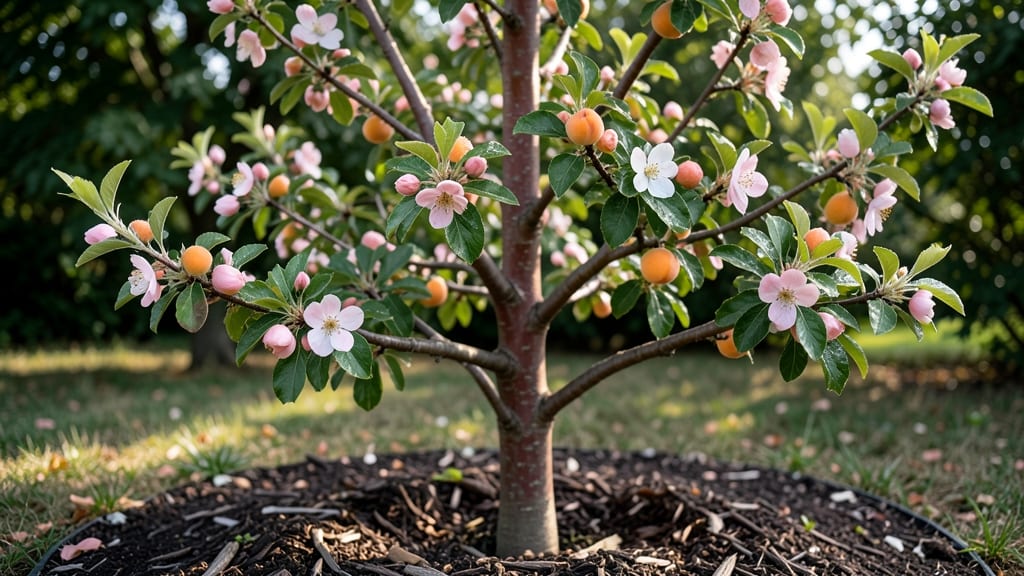
Transforming those delicate nectarine flowers 🍑 into plump, sweet fruit isn’t just luck—it’s science (and a little know-how). Without proper pollination and care, many blossoms drop before they ever become fruit, leaving you with empty promises instead of harvests.
I’ve watched my own trees go from bursting with pink blooms to barely holding onto a few fruits, and I learned the hard way what makes the difference.
Whether you’re dealing with poor pollination, temperature swings, or pest pressure, understanding each stage of development is the key to turning more flowers into fruit.
From the moment those petals fall to when the fruit begins to swell, every step matters. I’ll walk you through the exact conditions your nectarine needs—plus the proven tricks to boost fruit set—so you can maximize your harvest instead of watching blossoms fade away.
Ready to turn your tree’s potential into a bounty? Let’s dive into the stages, solutions, and secrets that make the difference between a few fruits and a tree heavy with sweet nectarines.
The 5 key stages of nectarine flower to fruit development
Understanding the nectarine flower to fruit process helps you intervene at the right time—whether it’s ensuring proper pollination or protecting young fruit from pests. Each stage is a critical checkpoint where environmental factors can make or break your harvest.
Let’s break down what happens from first bloom to fruit set, so you can troubleshoot issues before they cause fruit drop.
Nectarines, like their peach cousins, rely on precise timing and conditions to transition from blossoms to edible fruit. Temperature fluctuations, water stress, or even poor pollination can halt progress at any stage.
By recognizing these stages, you’ll spot problems early—like flowers falling off without setting fruit—and take corrective action. Let’s dive into the 5 key stages and what each demands from you.
| Stage | Duration | Key Triggers | What to Watch For |
|---|---|---|---|
| 🌸 Stage 1: Bloom Opening | 3-5 days | Warm days (65-85°F), cool nights (50-60°F) | Petals unfurl fully; bees must visit within 24-48 hours for pollination. |
| 🌿 Stage 2: Pollination & Fertilization | 7-10 days | Bee activity, stable temps (60-80°F) | Flowers wilt slightly; small green fruit bumps form if pollinated. |
| 🍑 Stage 3: Fruit Set | 14-21 days | Consistent watering, no frost risk | Fruit grows to pea-sized; thin if overcrowded (leave 6" spacing). |
| 🌱 Stage 4: Cell Division | 30-45 days | Sunlight (6+ hrs/day), balanced nutrients | Fruit swells rapidly; monitor for pests (aphids, mites). |
| 🍉 Stage 5: Maturation | 60-90 days | Warmth (75-90°F), even moisture | Fruit colors up; harvest when firm but yielding. |
Stage 1: Bloom Opening is your first critical window. Nectarine blossoms need warm daytime temperatures (65-85°F) to open fully, but cool nights (50-60°F) help prevent premature wilting. If temperatures spike above 90°F or drop below 50°F, petals may close without pollinating. This is why early spring planting in Zone 6 (like after April 15) aligns with ideal bloom conditions. Watch for bees buzzing—they must transfer pollen within 24-48 hours, or flowers will fall sterile.
During Stage 2: Pollination & Fertilization, successful pollination triggers the flower’s ovary to swell into a tiny fruit. If you notice empty blossoms dropping after 3-5 days, it’s a red flag for poor pollination or temperature stress.
Hand-pollinate by gently brushing blossoms with a soft paintbrush if bees are scarce. This stage also demands consistent moisture—drought stress here can cause fruit to abort. Water deeply at the base (10-15 gallons) every 5-7 days to support root growth.
Stage 3: Fruit Set is where many gardeners lose the most fruit. Overcrowded fruit competes for nutrients, so thin young fruit to 6 inches apart to ensure larger, healthier nectarines. Use sterilized pruners to remove smaller or deformed fruit. This stage lasts 14-21 days and requires no frost risk. A late frost here can kill developing fruit, so monitor your local frost dates (e.g., October 20 in Zone 6) and protect young trees with frost cloth if needed.
In Stage 4: Cell Division, fruit grows rapidly as cells divide. This is when nutrient deficiencies or pest infestations become visible. Yellowing leaves signal nitrogen deficiency—apply a balanced fertilizer (10-10-10) lightly in early morning to avoid leaf burn.
Watch for aphids or mites, which suck sap and stunt growth. Spray with neem oil if you spot clusters of tiny insects on new growth. Shade cloth may help if temperatures exceed 90°F during this phase.
The final Stage 5: Maturation is your reward—nectarines develop their signature color and texture. Ripening takes 60-90 days and requires even moisture to prevent cracking. Harvest when fruit slips easily from the tree and has full color.
If birds or squirrels are a problem, cover trees with fine netting once fruit reaches golf-ball size. Store harvested nectarines at 32-40°F to extend shelf life for up to 2 weeks.
By recognizing these stages, you’ll catch issues early—whether it’s thinning fruit too late or missing the pollination window. Pay attention to your tree’s signals: dropping blossoms, stunted growth, or
Pollination tricks to boost nectarine fruit set
Nectarine trees rely on pollinators like bees and butterflies to transfer pollen from flower to flower, but sometimes nature needs a helping hand. If your nectarine flowers 🍑 aren’t converting to fruit, it might be time to intervene.
I’ve found that combining natural pollination with a few strategic tricks can dramatically increase your fruit set—even in years when bees are scarce or weather conditions aren’t ideal.
First, let’s address the most common roadblock: poor pollination. Nectarines are self-pollinating, but they still benefit from cross-pollination. When pollen doesn’t transfer efficiently, flowers drop off before setting fruit.
The good news? You can take control with these proven techniques to ensure every blossom has the best chance of becoming a juicy nectarine.
- 🐝 Attract More Pollinators: Plant bee-friendly flowers like lavender, marigolds, and sunflowers near your nectarine tree. These act as pollinator magnets, drawing bees that will visit your tree.
- ✋ Hand-Pollinate Flowers: On calm, dry mornings, use a soft paintbrush to transfer pollen from one flower to another. Focus on open blossoms with visible stamens and stigmas.
- 🌡️ Optimize Pollination Weather: Pollen transfers best in mild temperatures (60-85°F) and low humidity. Avoid pollinating during rain or extreme heat.
- 🌿 Use Companion Plants: Plant clover or alfalfa nearby to boost bee activity. These plants provide early-season nectar, keeping pollinators active during peak bloom.
- 💧 Water Deeply Before Pollination: Well-hydrated trees produce sticky pollen that adheres better to pollinators. Water the base of the tree 2-3 days before peak bloom.
Beyond attracting pollinators, timing is everything. Nectarine flowers typically bloom in early spring (April-May), but the exact window depends on your USDA zone. I’ve noticed that in Zone 6, cooler mornings can slow pollinator activity, so hand-pollination becomes even more critical.
Start your efforts when 20-30% of flowers are open—this is when pollen production peaks.
Another game-changer is thinning young fruit after pollination. While it might seem counterintuitive, removing excess fruit (about 50% of the set) allows the remaining nectarines to grow larger and sweeter.
This reduces competition for nutrients and water, preventing premature drop. I like to thin when fruits are golf-ball sized, spacing them 4-6 inches apart on the branch.
Finally, don’t overlook the role of tree health. A well-fed nectarine tree with proper nutrient balance (especially phosphorus and potassium) produces more robust flowers and better fruit set.
I recommend applying a balanced fertilizer (10-10-10) in early spring, followed by a light feeding in late summer to support fruit development. Pair this with deep watering—consistent moisture ensures pollen viability and fruit retention.
With these tricks, you’ll see a noticeable difference in fruit set. Watch as your nectarine tree goes from dropping blossoms to bearing a bounty of sweet, sun-ripened fruit. The key is acting early, staying consistent, and giving your tree the best possible conditions for success. 🌱