
Planting
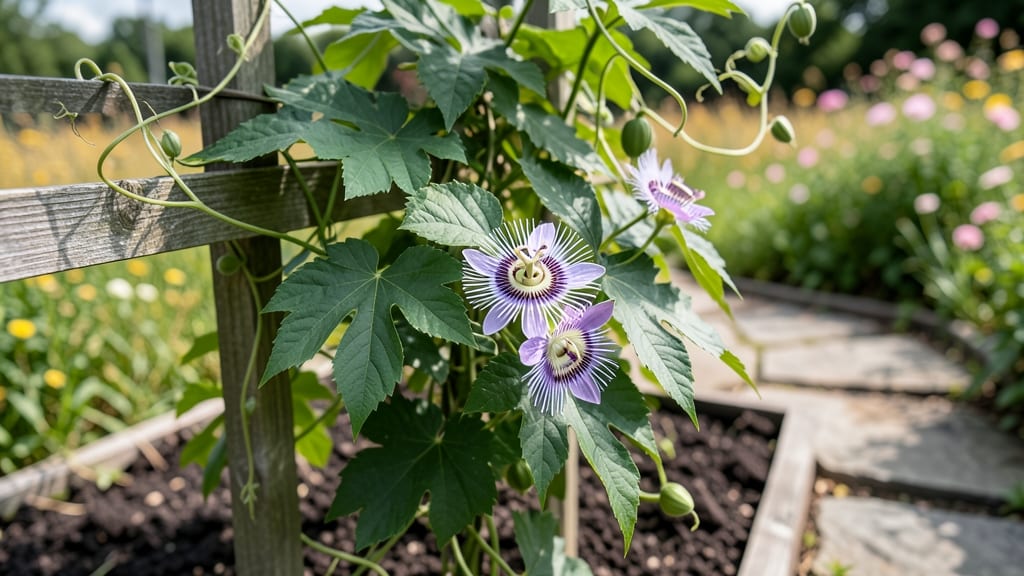
If you’ve ever dreamed of growing 🌺 passion flowers but live in a chilly climate, you’re not out of luck—some varieties thrive in the hardiness zone that suits your region, even in the coldest areas.
The right passiflora hardiness zone can mean the difference between a thriving vine and a frost-killed disappointment, especially in zones as cold as 3 or as warm as 9.
I’ve tested the hardiest types, and what I’ve learned will change how you think about growing these stunning vines. Whether you’re in the frosty mountains or the humid South, there’s a passion flower that can handle your climate—if you know which one to pick.
From Passiflora incarnata, which braves zone 3, to tropical hybrids that push zone 9, we’ll break down the best cold-resistant picks. You’ll also discover pro tips to extend their season, like overwintering tricks and microclimate hacks that work even in tough zones.
Ready to turn your garden into a passion flower paradise? Let’s dive into the varieties and strategies that’ll keep your vines blooming—no matter where you live.
Understanding passion flower hardiness zones 3-9: what the numbers really mean
When selecting passion flowers for your garden, the USDA hardiness zone is your first clue to success. These numbers—ranging from 3 to 9—indicate the coldest average winter temperatures a plant can tolerate.
For Passiflora species, this means some varieties can brave subzero winters while others wilt at 20°F. Understanding these zones helps you choose the right plant for your climate and avoid costly mistakes.
In USDA Zone 3, where winters dip to -40°F, only the toughest passion flowers like Passiflora lutea (yellow passionflower) survive. Meanwhile, Zone 9, with mild winters (20°F), allows tropical varieties like Passiflora edulis (passionfruit) to thrive.
The key is matching your microclimate—whether you're in a mountain valley or coastal plain—to the plant's tolerance.
The USDA zone system divides North America into 13 zones based on annual minimum temperatures. For passion flowers, Zones 4-8 are the sweet spot, where most native and hybrid varieties flourish.
However, even within these zones, late spring frosts or early autumn chills can damage tender vines. That’s why knowing your frost dates is just as critical as the zone number.
Passion flowers are divided into two main groups: hardy perennials (like Passiflora incarnata) and tender perennials (like Passiflora caerulea). The former can handle Zone 3 winters, while the latter may need winter protection in Zone 5 or colder. This distinction explains why some gardeners in Zone 6 grow passion flowers as annuals while others cultivate them as long-lived perennials.
The temperature thresholds for passion flowers are surprisingly narrow. Most varieties suffer damage when exposed to 28°F or below, even if they’re labeled for Zone 5. This is why microclimates matter—your garden’s shelter from wind or urban heat islands can push a plant one zone higher.
For example, a Passiflora caerulea in Zone 6 might survive unprotected, while the same plant in a frost pocket could fail.
Seasonal growth patterns also shift with the zone. In Zones 3-5, passion flowers enter dormancy by late summer, shedding leaves to conserve energy. By contrast, Zones 7-9 allow year-round growth, with blooms appearing spring through fall.
This explains why gardeners in Zone 8 often see two bloom cycles, while those in Zone 5 may only get one. Timing your pruning and fertilizing to these patterns maximizes success.
One common misconception is that all passion flowers are frost-sensitive. In reality, native species like Passiflora incarnata (maypop) have evolved to handle Zone 3 winters by going dormant. The secret? Their roots insulate the crown, preventing freeze damage.
For non-native varieties, mulching with straw or covering with burlap mimics this natural protection, allowing you to grow Passiflora caerulea in Zone 6 with minimal effort.
If you’re in Zone 4 or colder, consider growing passion flowers in containers. This lets you move potted plants to a garage or shed before winter, then return them to the garden in spring.
Even in Zone 5, this strategy extends the growing season for tender varieties like Passiflora alata (winged passionflower). Just
Top 5 cold-resistant passion flower varieties for zones 3-9: a survival guide
Growing passion flowers in zones 3-9 doesn’t have to be a gamble—some varieties are built to handle your climate’s extremes. I’ve narrowed down the hardiest passion flowers that survive freezing winters and scorching summers, so you can enjoy their stunning blooms year after year.
The key? Choosing the right passiflora species for your zone and giving it the right care.
These cold-resistant passion flowers aren’t just survivors—they’re showstoppers. Whether you’re in zone 3 with brutal winters or zone 9 with relentless heat, there’s a passion flower variety that’ll thrive. Let’s explore the top 5 that won’t let you down, no matter where you live.
| Variety | USDA Zones | Frost Tolerance | Bloom Time | Maintenance |
|---|---|---|---|---|
| Passiflora incarnata | 3-9 | Survives -20°F with mulch | June-August | Low; drought-tolerant |
| Passiflora caerulea | 4-9 | Handles -15°F if dormant | May-September | Moderate; needs winter protection |
| Passiflora lutea | 5-9 | Tolerates -10°F with mulch | July-September | Low; fast-growing |
| Passiflora edulis | 7-11 (needs winter care in 3-6) | Dies back in frost; regrows | June-October | Moderate; container-friendly |
| Passiflora tenuiloba | 6-9 | Survives -5°F with shelter | May-August | Low; self-cleaning |
My top pick for zone 3 gardeners is Passiflora incarnata, also called maypop. This native beauty thrives in extreme cold, surviving temperatures as low as -20°F when properly mulched.
Its fragrant white flowers and edible fruit make it a dual-purpose plant that’s hard to beat. Plus, it’s drought-tolerant once established, so it’s perfect for low-maintenance gardens.
If you’re in zone 4-6, Passiflora caerulea (blue passionflower) is a stunning choice. It’s famous for its vibrant blue blooms and can handle -15°F if given winter protection like a thick layer of mulch or a frost blanket.
This variety is also self-cleaning, meaning it sheds old flowers and leaves on its own, reducing maintenance.
For zone 7-9 climates, Passiflora lutea (yellow passionflower) is a standout. It’s fast-growing and produces cheerful yellow blooms from July to September. While it’s not as cold-hardy as the others, it’s heat-tolerant and thrives in humid conditions, making it ideal for southern gardens.
It also attracts butterflies and hummingbirds, adding extra value to your landscape.
Don’t overlook Passiflora edulis if you’re in zone 7 and above but want to try growing passion fruit. While it’s not frost-hardy, you can grow it in containers and bring it indoors during winter.
Its tropical vibe and delicious fruit make it worth the extra effort, especially if you love unique edible plants.
Finally, Passiflora tenuiloba is a great mid-range option for zones 6-9. It’s self-cleaning like P. caerulea but with pink and white flowers that add a soft contrast to your garden. This variety is also disease-resistant, making it a low-fuss choice for busy gardeners.