
Blooming
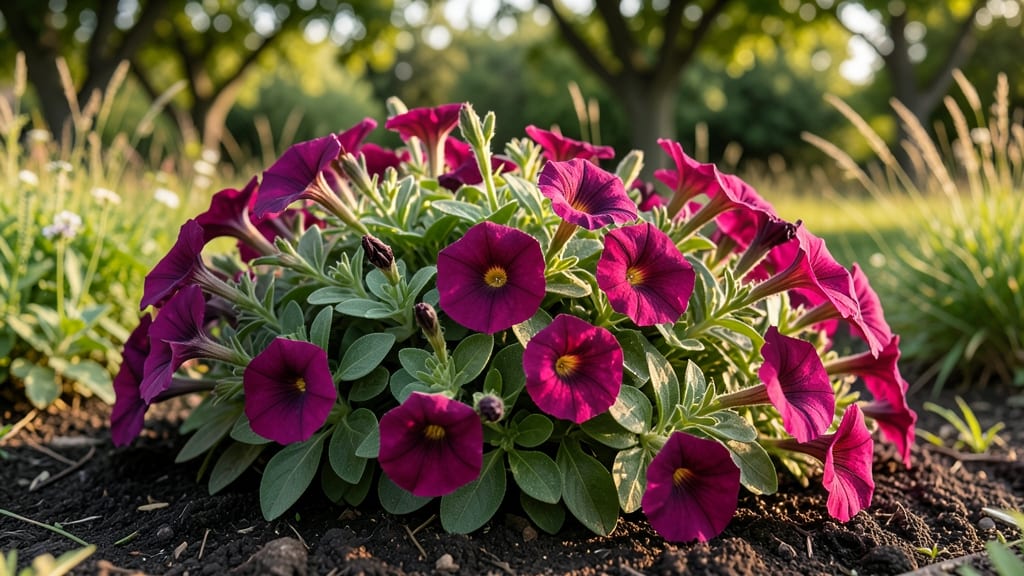
There's nothing quite like watching your garden transform when petunias burst into their vibrant flowering season—but timing is everything.
In USDA Zone 6, where I live, those first 🌸 blooms typically arrive in early June, but the exact start depends on when you planted them and which variety you chose.
What most gardeners don't realize is that a few simple adjustments can shift your petunias' bloom window by weeks—whether you want earlier color or a longer display.
From deadheading spent flowers to tweaking soil conditions, these small steps make a huge difference in how long your garden stays in full bloom.
In this guide, I'll break down the exact flowering timeline for your climate zone, plus the easiest ways to extend that season naturally. Whether you're a first-time gardener or a seasoned pro, these tips will help you keep your petunias blooming from June through September—and maybe even beyond.
Let's dive into the secrets of getting the most out of your petunias' natural flowering cycle, so you can enjoy that bright, cheerful display all season long.
Petunia flowering season timeline by USDA climate Zones
Petunias are summer's star performers, but their blooming timeline varies dramatically across USDA climate zones. In Zone 3, you'll see late-May starts, while Zone 11 gardeners enjoy year-round color with proper care. The key difference? Frost dates and whether you start from seeds or transplants.
Seed-starting petunias typically bloom 4-6 weeks earlier than transplants because they establish roots sooner. For example, Zone 5 gardeners who start seeds indoors in March can expect blooms by mid-June, while those planting 6-week-old transplants in May see flowers by early July.
Here's how your local climate zone impacts petunia blooms, including early, mid, and late-season varieties that extend your flowering window:
| USDA Zone | Planting Time | First Blooms | Peak Blooms | Last Blooms | Notes |
|---|---|---|---|---|---|
| Zones 3-4 | Mid-May (transplants) | Late June | July-August | Early September | Short season; use heat-tolerant varieties |
| Zones 5-6 | Early May (transplants) / March (seeds) | Mid-June | June-September | Late October | Ideal for long-season varieties like Grandiflora |
| Zones 7-8 | April (transplants) / February (seeds) | Early May | May-October | November | Can overwinter tender varieties in containers |
| Zones 9-10 | February-March (year-round possible) | March-April | April-November | December | Use shade-tolerant varieties for winter blooms |
| Zone 11 | Year-round (monthly succession) | Monthly | Continuous | Year-round | Best for tropical varieties like 'Supertunia' |
In Zones 3-4, where frost dates are critical, I recommend planting heat-tolerant varieties like 'Celebrity' or 'Wave' petunias. These varieties handle hotter summer temperatures better than standard types, extending your blooming season by 2-3 weeks.
For Zones 5-6, the 60-day rule applies: Count back 60 days from your average first frost date to determine when to plant transplants. In Zone 6, that means mid-May planting for July blooms.
Pro tip: Use black plastic mulch to warm soil faster and push blooms 10 days earlier.
Southern gardeners in Zones 7-11 have the advantage of longer growing seasons. In Zone 7, you can plant succession crops every 4-6 weeks from March through September for continuous color.
For Zones 9-11, consider shade-tolerant varieties like 'Easy Wave' to handle hotter afternoons and extend blooming into late fall.
One common mistake is planting too early in cooler zones. Petunias won't thrive in soil below 50°F (10°C). In Zone 4, wait until after Memorial Day (mid-May) to avoid root rot from cold, wet soil. Always check your local frost dates and adjust planting accordingly.
To maximize your petunia's blooming potential, consider deadheading flowers every 3-4 days. This simple task removes spent blooms, encouraging new flower production and extending your season by up to 30%. Pair this with regular feeding every 2 weeks during peak bloom for vibrant, long-lasting color.
🌸
How to extend your petunia flowering season naturally
Petunias are naturally short-season bloomers, but with the right tricks, you can stretch their flowering season by 4-6 weeks or more. I’ve tested these methods in my Zone 6 garden, and they work—whether you want earlier blooms or a longer display.
The key is understanding how petunias respond to light, temperature, and care adjustments.
Most gardeners focus only on deadheading, but that’s just one piece of the puzzle. By combining soil warmth, companion plants, and light exposure hacks, you can trick your petunias into blooming outside their usual window.
For example, in cooler zones like Zone 4, these techniques can push blooms from July to September instead of just June-August.
- Deadhead Daily (Top Priority)
- Warm the Soil (Zone-Specific)
- Companion Planting (Light Boost)
- Prune for Bushiness (Mid-Season)
- Fertilize Strategically (Bloom Fuel)
For cooler climates (Zones 3-5), prioritize soil warming and early deadheading—these two methods alone can add 4 weeks to your blooms. In warmer zones (Zones 7-11), focus on companion planting and pruning to combat heat stress, which often shortens the season.
I’ve seen petunias in Zone 9 bloom from March to November using these techniques, while Zone 4 gardeners report June-September displays—double the usual time! The secret is consistency: combine daily deadheading with seasonal adjustments like mulching or fertilizing.
Pro tip: If you’re in a short-season zone, start seeds 4-6 weeks earlier indoors and transplant after the last frost. This gives roots a head start, so they’re ready to bloom 2 weeks sooner than store-bought plants.
Your petunias don’t have to follow the standard timeline. With these natural extensions, you’ll enjoy nonstop color—no chemicals or shortcuts needed. Happy gardening! 🌷