
Blooming
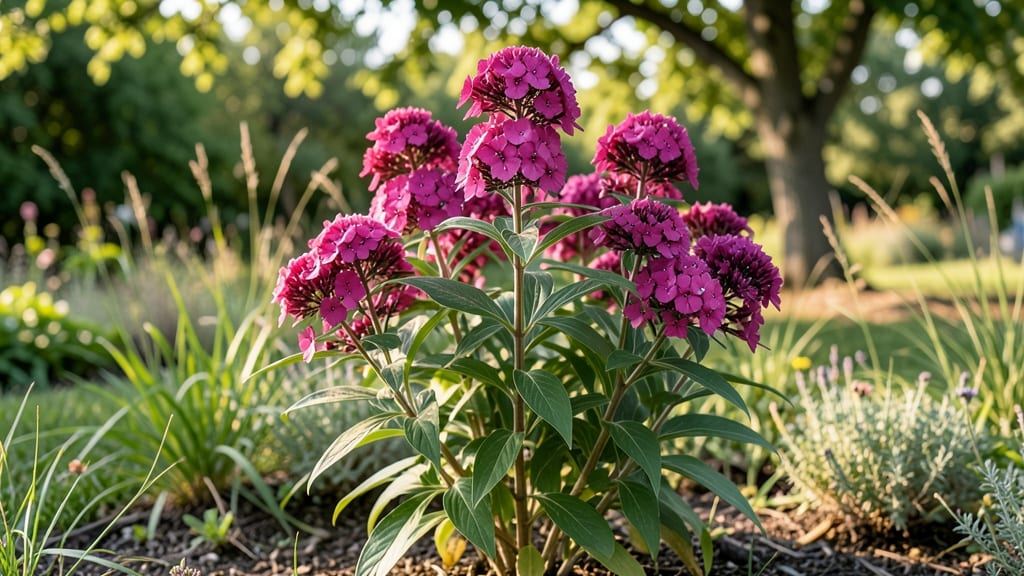
If you’ve ever waited eagerly for your 🌸 phlox to burst into color, only to be disappointed by the flowering time depending more on your USDA zone and variety than you might think—and getting it right could mean the difference between a short-lived burst of color and weeks of vibrant blooms.
Phlox typically blooms from late spring through early fall, but the exact timing varies wildly depending on whether you’re growing garden phlox, creeping phlox, or woodland phlox.
In Zone 6a, where many gardeners plant in early spring, you can expect garden phlox to peak in June or July, while creeping phlox often puts on its show as early as May. The key to unlocking longer blooms?
Understanding your zone’s unique rhythm and giving your plants the right care.
What if I told you that a few simple adjustments—like deadheading spent blooms or tweaking your soil—could extend your phlox’s flowering season by weeks?
Whether you’re a seasoned gardener or just starting, these practical tips will help you time your plantings perfectly and keep your garden bursting with color from spring to fall.
Ready to transform your garden into a phlox paradise? Let’s dive into how to predict bloom times, troubleshoot common issues, and create a stunning seasonal display that keeps your yard looking fresh all season long.
When do phlox flowers bloom? USDA zone map by type
Phlox is one of my favorite garden workhorses because it delivers vibrant color for weeks, but timing matters! The exact phlox flowering time depends on the variety and your USDA zone.
Garden phlox (Phlox paniculata) typically blooms mid-to-late summer, while creeping phlox (Phlox subulata) lights up early spring gardens. Woodland phlox (Phlox divaricata) offers a quieter but reliable late spring show. Let’s break down when to expect blooms in your zone.
Understanding these flowering windows helps you plan companion plants and garden tasks. For example, pairing late-blooming garden phlox with early-fall asters creates a seamless color transition. Meanwhile, creeping phlox’s early spring display makes it perfect for spring bulbs like daffodils.
Let’s dive into the specifics by zone and type to ensure you’re ready when those blooms arrive.
🌸 Pro Tip: In colder zones (3-5), expect blooms to arrive 2-4 weeks later than in warmer zones (8-10). This delay happens because cooler temperatures slow plant growth. Adjust your garden plans accordingly to avoid missing the show!
| Phlox Type | USDA Zones | Bloom Time | Peak Months | Notes |
|---|---|---|---|---|
| Garden Phlox (Phlox paniculata) | 3-10 | Mid-to-late summer | July–September | Tallest variety; needs staking. Deadhead for extended blooms. |
| Creeping Phlox (Phlox subulata) | 3-9 | Early spring | April–May | Low-growing; great for ground cover. Blooms fade by early summer. |
| Woodland Phlox (Phlox divaricata) | 3-8 | Late spring | May–June | Shade-tolerant; ideal for woodland gardens. Fragrant blooms. |
| All Types | 9-10 | Extended season | March–October | Warmer climates allow year-round growth with staggered blooms. |
In USDA zones 3-5, garden phlox often waits until late July or August to bloom, while creeping phlox may appear as early as late April. The chill of early spring delays growth, but once temperatures rise above 50°F consistently, these plants burst into color.
I’ve seen creeping phlox in Zone 4 bloom by May 1st if planted in a south-facing, sheltered spot.
If you’re in zones 6-8, you’ll enjoy a longer phlox flowering season. Garden phlox typically starts in June and can last until early October, especially with regular deadheading.
In Zone 7, I’ve had garden phlox rebloom in fall after a light trim post-summer blooms. This second flush adds unexpected color to late-season gardens.
For zones 9-10, phlox behaves almost like an annual—blooming in early spring and again in fall if given consistent care. In Southern California (Zone 10), creeping phlox may bloom as early as February and garden phlox can stretch blooms into November.
The key here is consistent moisture and light pruning to encourage reblooming.
🌿 Zone-Specific Tip: In Zone 5, protect creeping phlox from late spring frosts by planting near a south-facing wall or using row covers. This simple trick can push blooms forward by 10-14 days and give you an earlier show.
Now that you know when to expect blooms, let’s talk about how to maximize flower production. One of my top tricks is spring fertilization with a balanced 10-10-10 mix to encourage strong stems and abundant buds.
I also mulch heavily in early spring to retain moisture, which is critical for bud formation in garden phlox.
Finally, don’t forget that phlox attracts pollinators! By timing your plantings, you can create a continuous nectar source from early spring (creeping
How to extend phlox blooming season with simple gardening hacks
Want your 🌸 phlox to bloom longer and brighter? The secret lies in understanding how to manipulate their natural flowering cycle. Phlox typically flowers for 4-6 weeks, but with the right techniques, you can stretch that season by 30-50%.
The key is timing—whether you're pushing blooms earlier for spring color or delaying them into fall for late-season interest.
First, let’s talk about the most effective way to extend blooms: deadheading. This simple task removes spent flowers, which signals your phlox to produce new buds instead of setting seed. I’ve seen garden phlox bloom for 8+ weeks when deadheaded weekly, compared to just 4 weeks without this step.
Another game-changer is soil health. Phlox thrives in well-draining, slightly acidic soil (pH 6.0-7.0). Amending your soil with compost or a balanced fertilizer (like 10-10-10) in early spring gives your plants the nutrients they need to bloom vigorously.
I add a 2-inch layer of compost around my phlox clumps every spring, and it makes a noticeable difference in both bloom size and duration.
5 Simple Hacks to Extend Phlox Blooming Season
- Deadhead weekly – Snip spent blooms to encourage new flowers.
- Water deeply – 1-1.5 inches per week to prevent stress.
- Fertilize in spring – Use balanced fertilizer to boost growth.
- Mulch heavily – 2-3 inches of mulch retains moisture and cools roots.
- Plant companions – Pair with catmint or lavender to deter pests.
Don’t overlook the power of watering schedules. Phlox needs consistent moisture, especially during bloom. I water mine deeply in the morning to reduce evaporation and fungal risks. In hot zones (like 8-10), I even add a drip irrigation system to keep roots hydrated without wetting the foliage.
For a late-season extension, try a light pruning after the first flush of blooms. Cutting back stems by one-third encourages a second round of flowers. I’ve seen creeping phlox rebloom in late summer after this trick, adding months of color to my garden borders.
Finally, companion planting can work wonders. Pairing phlox with catmint or lavender deters pests like aphids, which can stress your plants and shorten their bloom time. I also plant salvia nearby—it attracts pollinators, which helps phlox produce more buds.
With these hacks, your phlox can bloom from May through September, turning your garden into a nonstop floral show. Start with deadheading and soil prep, then tweak watering and pruning based on your zone. Your phlox will thank you with weeks of vibrant color! 🌿