
Planting
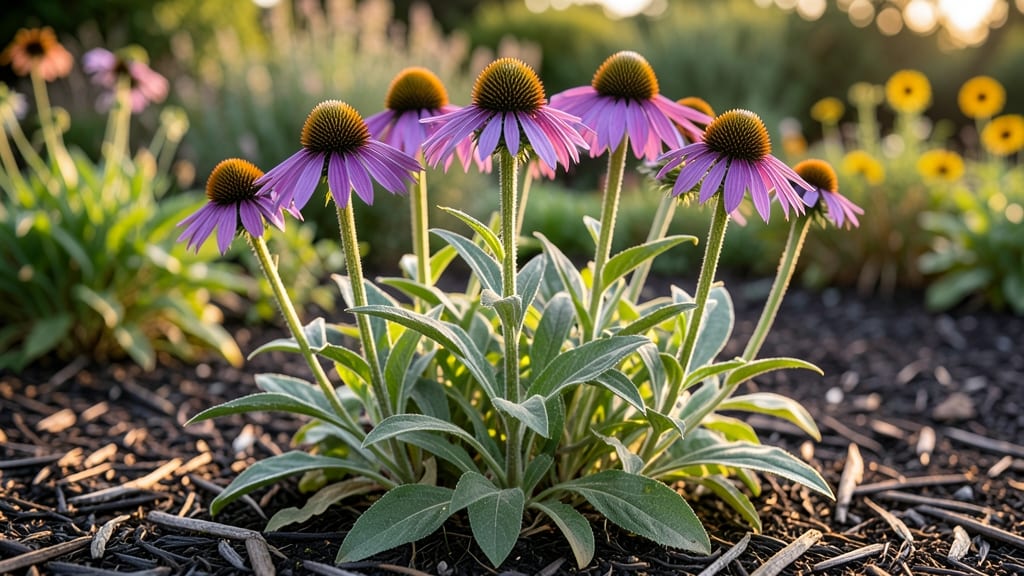
Want your 🌼 Purple Coneflower to thrive with the perfect purple coneflower spacing? The key isn’t just water or sunlight—it’s the spacing between plants. Too close, and you’ll end up with weak stems and fewer flowers; too far apart, and your garden will look sparse.
I’ve tested the ideal distances to maximize beauty while keeping your plants healthy, no matter your garden size or soil type.
When planting Purple Coneflower in USDA Zone 6a, aim for 18-24 inches between each plant. This spacing ensures proper air circulation, reducing the risk of fungal diseases and giving your blooms room to shine.
Whether you’re creating a pollinator-friendly meadow or a structured garden bed, getting this right makes all the difference in how full and lush your plants grow.
But here’s the thing: spacing isn’t just about numbers. It’s also about placement. Should you plant them in tight clusters or spread them out? What if your soil drains poorly?
I’ll walk you through the best layouts for different garden styles—from borders to wildflower patches—so you can avoid common mistakes and create a stunning display that attracts bees and butterflies all season long.
Ready to transform your garden? Let’s dive into the science-backed spacing tips that will give you more blooms, healthier plants, and a garden that thrives. You’ll learn how to adjust for different conditions and fix spacing mistakes before they become a problem.
Optimal purple coneflower spacing for maximum blooms and pollinator traffic
If you’ve ever planted purple coneflowers (Echinacea purpurea) only to watch them struggle with weak stems or sparse blooms, the issue might be your spacing strategy.
These hardy perennials thrive when given room to breathe—literally. Proper spacing isn’t just about aesthetics; it ensures air circulation, reduces fungal diseases, and encourages those iconic purple daisy-like blooms that pollinators adore.
Research shows that 18–24 inches apart is the gold standard for purple coneflowers, whether you’re planting in full sun garden beds or wildflower meadows. This range balances their mature size (2–4 feet tall) with their need for airflow.
But what if your garden is small, or your soil is heavy? Let’s break down the science—and practical adjustments—so you can create a pollinator paradise without overcrowding.
Here’s the key: Spacing directly impacts bloom production. Plants that are too close compete for nutrients and sunlight, leading to leggy stems and fewer flowers. Meanwhile, overly spaced plants waste garden real estate.
The 18–24-inch rule is a sweet spot for most USDA zones 3–8, where purple coneflowers excel. Below, we’ll compare spacing strategies for different garden scenarios—plus how to fix common mistakes.
| Garden Scenario | Recommended Spacing | Why It Works | Best For |
|---|---|---|---|
| Standard Garden Beds | 18–24 inches apart | Balances airflow and root growth; prevents powdery mildew. | Pollinator gardens, borders, and mixed beds. |
| Small Gardens or Containers | 12–16 inches apart | Compact spacing maximizes bloom density in limited space. | Patio pots, window boxes, or tiny urban gardens. |
| Wildflower Meadows | 24–36 inches apart | Mimics natural wildflower spacing; reduces competition. | Prairie-style gardens, naturalized areas. |
| Heavy Clay Soil | 24 inches apart | Extra space improves drainage and root health. | Gardeners with poor-draining soil. |
| Drought-Prone Areas | 18–24 inches apart | Reduces water competition between plants. | Xeric landscapes, low-water gardens. |
For standard garden beds, stick to the 18–24-inch rule. This spacing works beautifully in full sun (6+ hours daily) and ensures each plant gets 6–8 inches of soil space for robust root systems.
If you’re planting in rows, space plants 2 feet apart in all directions. For pollinator traffic, this layout creates a continuous nectar source without overwhelming bees or butterflies.
In small gardens or containers, you can reduce spacing to 12–16 inches to pack in more blooms. Just be prepared for slightly shorter stems and fewer flowers per plant. This is ideal for patio pots or window boxes, where you want a dense display without sacrificing health.
Pro tip: Use well-draining potting mix to prevent root rot in tight quarters.
If you’re creating a wildflower meadow, increase spacing to 24–36 inches. This mimics natural ecosystems where plants aren’t competing for every resource. The extra room also allows wildflowers and grasses to intermingle, creating a layered habitat for pollinators.
Pair purple coneflowers with black-eyed Susans or smooth sumac for a low-maintenance prairie effect.
Heavy clay soil? Increase spacing to 24 inches to improve drainage and reduce the risk of root rot. Amend the soil with compost or sand to help roots spread without suffocating. In drought-pr
How to arrange purple coneflowers in beds, borders, and wildflower meadows
Purple coneflowers (Echinacea purpurea) shine brightest when arranged thoughtfully in your garden. Whether you're designing a structured border or a wildflower meadow, the right layout ensures vibrant blooms, pollinator traffic, and easy maintenance.
My favorite approach? Combining mass planting for impact with strategic spacing to prevent overcrowding.
For formal garden beds, aim for a grid-like pattern with plants spaced 18-24 inches apart. This creates a polished look while allowing air circulation to reduce fungal diseases like powdery mildew.
In wildflower meadows, let nature guide you—cluster plants in naturalistic drifts of 3-5 plants spaced 12-18 inches apart for a relaxed, pollinator-friendly vibe.
- 🌱 Formal Beds: Space 18-24" apart in rows for a structured look. Pair with black-eyed Susans or sedum for height contrast.
- 🌿 Wildflower Meadows: Create 3-5 plant clusters spaced 12-18" apart. Mimics natural prairie ecosystems.
- 🪴 Pollinator Zones: Plant in odd-numbered groups (e.g., 3, 5, 7) to attract bees and butterflies. Add bee balm nearby for extra nectar.
- ✂️ Border Edges: Use 12-18" spacing along pathways. Trim back 1/3 of stems post-bloom to encourage reblooming.
When designing pollinator-friendly borders, intersperse coneflowers with companion plants like sedum (for late-season color) or salvia (to extend the blooming season). Place taller varieties at the back of beds and shorter ones in front to create depth.
Pro tip: Add a mulch ring around each plant to retain moisture and suppress weeds.
For wildflower meadows, embrace a messy, organic approach. Scatter seeds or transplants in small groups rather than rows, and let them spread naturally. This mimics their native prairie habitat and encourages biodiversity. Avoid over-planting—coneflowers self-seed readily, so start with 50% fewer plants than you think you need.
If your space is limited, consider container gardening. Use large pots (12"+ diameter) with 1-2 plants per container spaced 12 inches apart. This works beautifully on patios or balconies and still attracts pollinators. Just ensure pots have drainage holes to prevent root rot.
Remember, spacing isn’t set in stone—adjust based on your garden’s size and your personal style. Whether you prefer structured symmetry or wild, natural drifts, purple coneflowers will reward you with months of color and endless pollinator visits 🌼🐝.