
Flowers
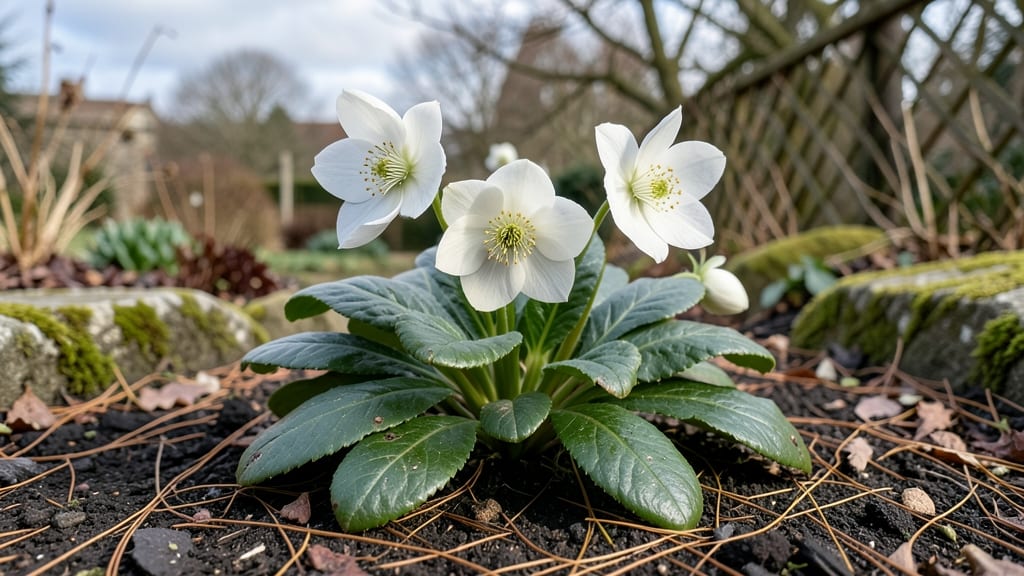
There’s something magical about watching purple flowers that open and close with the sun—like nature’s own clockwork display. These blooms don’t just add color to your garden; they bring movement, rhythm, and a touch of whimsy that static flowers can’t match.
Imagine a moon garden where deep violet petals unfurl as dusk falls, or a cottage-style border where nyctinastic varieties create a living tapestry of color.
The Evening Primrose 🌸, for example, is a standout with its delicate purple blooms that greet the evening sky, making it a perfect pick for gardeners in zones like 6a.
But why stop at one? Pair these rhythmic flowers with silver foliage for contrast, or mix them with night-blooming plants to extend your garden’s showtime. The key is playing with textures, heights, and bloom times to create a dynamic, ever-changing landscape.
Ready to transform your garden into a living, breathing work of art? I’ll show you how to choose the best purple varieties, design stunning combinations, and keep them thriving with minimal effort—so you can sit back and enjoy the show.
10 Purple flowers that open and close (with bloom times revealed)
Watching purple flowers open and close with the sun is like having a living clock in your garden. These nyctinastic varieties don’t just add color—they create movement and drama that transforms your outdoor space into a dynamic performance.
From Evening Primrose to Moonflower, these plants have evolved to bloom at specific times, often attracting nocturnal pollinators like moths and bats.
What makes these flowers even more fascinating is their circadian rhythms. Some unfurl their petals at dawn, while others wait for dusk, creating a 24-hour garden show. Whether you’re designing a moon garden or adding texture to a cottage-style border, these purple bloomers bring magic to your landscape.
Plus, their care requirements are surprisingly manageable once you know the tricks.
Let’s start with the Evening Primrose 🌸, a hardy annual that thrives in USDA zones 3-9. Its delicate purple-pink blooms open as the sun sets, making it perfect for moon gardens or containers on patios. Plant it in well-draining soil
Why do purple flowers open and close? The science behind their daily rhythms
Purple flowers that open and close aren’t just putting on a show—they’re following an internal biological clock called circadian rhythms. This natural timekeeping mechanism ensures flowers bloom at optimal times for pollinators like moths and bats, which are most active at dawn or dusk.
For example, the Evening Primrose 🌸 unfurls its petals precisely when evening pollinators emerge, maximizing its chances of reproduction.
This movement, called nyctinasty, is triggered by light, temperature, and even humidity levels. When sunlight fades, certain flowers like Hibiscus or Moonflower release hormones that cause their petals to relax and open.
Conversely, morning sunlight triggers the release of another hormone that makes them close up again. It’s like nature’s built-in alarm clock!
But why purple? These deep hues often attract nocturnal pollinators that can’t see red or yellow as clearly. The contrast against dark foliage makes them stand out under moonlight, ensuring they’re noticed when it matters most.
This evolutionary adaptation is why you’ll often find these flowers thriving in moon gardens or shaded borders.
- 🌱 Circadian Rhythms: Flowers follow a 24-hour cycle, opening and closing based on light exposure and internal clocks.
- 🌙 Nocturnal Pollinators: Purple blooms attract moths and bats, which are most active at night or dawn.
- ☀️ Light Sensitivity: Morning sunlight triggers closing hormones, while fading light signals opening.
- 💧 Temperature Triggers: Cooler evening temps often enhance the opening process in many nyctinastic varieties.
- 🌿 Evolutionary Advantage: Purple hues stand out in low light, ensuring visibility to night-flying pollinators.
Not all purple flowers follow the same schedule. Some, like Lilacs, bloom during the day (diurnal), while others, like Four o’Clocks, wait until evening (nocturnal). This diversity lets you create gardens that bloom at different times, extending your seasonal interest.
For instance, pairing a daytime bloomer like Lavender with an evening variety like Evening Primrose ensures your garden stays vibrant from sunrise to sunset.
As a gardener, you can optimize these natural rhythms by providing consistent light exposure and moisture levels. Avoid sudden temperature shifts, which can disrupt the plant’s internal clock. For example, placing your Moonflower in a spot with dappled afternoon shade can help it open more predictably at dusk.
Mulching around the base also helps maintain stable soil temperatures, which is crucial for these light-sensitive bloomers.
Understanding these rhythms isn’t just fascinating—it’s practical. By aligning your garden’s layout with these natural patterns, you can create a dynamic display that changes throughout the day.
Imagine stepping outside at twilight to find your purple Moonflower fully unfurled, ready to welcome its nocturnal visitors. That’s the magic of nyctinastic flowers in action!