
Blooming
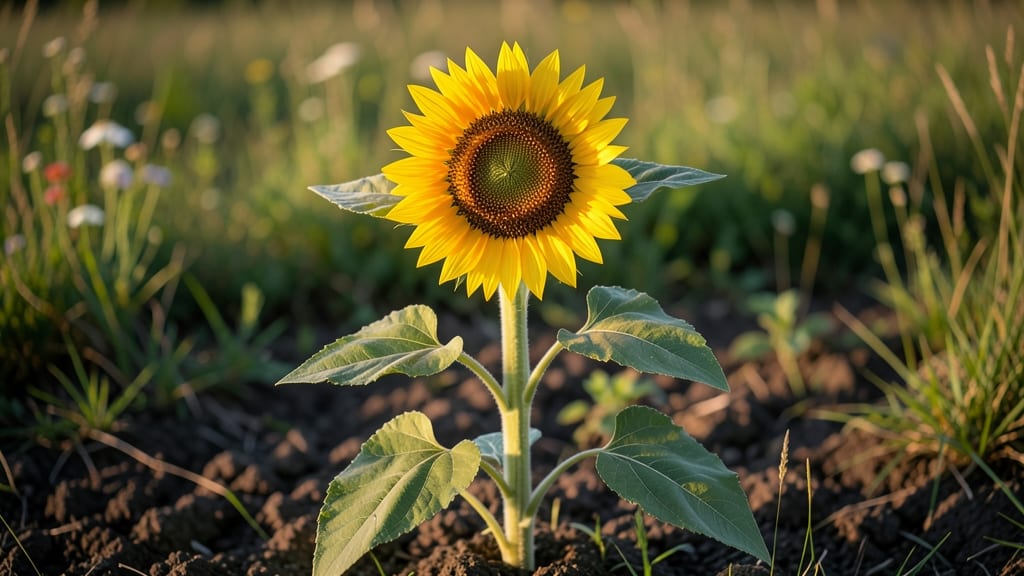
Sunflower blooming season by USDA Zone: month-by-month breakdown
Sunflowers are seasonal showstoppers, but their blooming windows shift dramatically depending on your USDA zone. In Zone 3, you’ll see golden blooms as early as July, while Zone 11 gardeners enjoy them year-round with staggered plantings.
The key? Understanding your frost dates and variety maturity—most sunflowers bloom 60–120 days after planting, but early varieties can cut that timeline in half.
For northern climates (Zones 3–6), frost is the ultimate deadline. Planting late May ensures blooms by late August before the first frost. In warmer zones (7–11), you can extend the season by planting every 4–6 weeks, creating a continuous bloom parade from spring to winter.
Let’s break it down by zone so you never miss a sunflower’s peak moment.
In Zones 3–4, where frost is a seasonal specter, opt for early-maturing varieties like 'Teddy Bear' (50 days) to guarantee blooms before the first frost. Plant seeds after May 15 and expect July–August glory.
For Zones 5–6, you’ve got flexibility: plant 'Autumn Beauty' in early May for June blooms or 'Moulin Rouge' in June for a September show.
Southern gardeners in Zones 7–10 can push the envelope with successive plantings. Start with 'Sunspot' in March for May blooms, then follow with 'ProCut' in July for a September–October encore.
In Zone 11, treat sunflowers like perennial stars: plant 'Little Becka' in January for early blooms or 'Mammoth' in August for late-season drama.
Pro tip: Heat tolerance varies by variety. In Zones 9–11, 'Italian White' thrives in summer’s 100°F+ heat, while 'Dwarf Sungold' bolts faster in cooler spells. Monitor soil moisture—drought stress can delay blooming by 2–3 weeks.
For northern climates, extend the season with row covers or greenhouses. Start seeds indoors 4–6 weeks before your last frost date, then transplant outdoors. This trick lets you enjoy
How to extend sunflower blooms: pro tips for longer season enjoyment
Want sunflowers to bloom longer and brighter? The secret lies in strategic planting timing and care adjustments that delay wilting or encourage successive blooms. Unlike many annuals, sunflowers respond well to heat tolerance tricks and watering schedules that keep them thriving past their usual 60–120-day bloom window.
For example, ‘Autumn Beauty’ sunflowers naturally extend their season by producing multiple blooms per stem, while ‘Moulin Rouge’ varieties bloom earlier but fade faster without proper care. By combining successive planting with targeted watering, you can stretch your sunflower season by 3–4 weeks—or even longer in warmer climates.
Extend Sunflower Blooms: Quick Fixes
✅ DO THIS
- Successive Planting: Sow seeds every 2–3 weeks for staggered blooms
- Morning Watering: Deep water at 6–8 AM to prevent fungal stress
- Heat Tolerance: Choose late-season varieties like ‘Teddy Bear’
- Prune Side Buds: Remove smaller buds to focus energy on 1–2 main blooms
❌ AVOID THIS
- Evening Watering: Leads to powdery mildew in humid climates
- Over-Fertilizing: Excess nitrogen causes leafy growth, not blooms
- Drought Stress: Skipping water in 75°F+ heat speeds wilting
- Single Planting: No staggered blooms = shorter season
One of my favorite tricks is staggered planting. In USDA Zones 5–7, I plant a batch of ‘ProCut’ sunflowers in early May, then a second batch in late June.
The first batch blooms in July–August, while the second extends enjoyment into September—just in time for fall arrangements.
For heat-prone areas (Zones 8–11), focus on drought-resistant varieties like ‘Little Becka’ and water deeply every 5–7 days instead of daily shallow watering. This mimics natural rainfall patterns and prevents premature wilting caused by inconsistent moisture. A 2–3 inch mulch layer also keeps roots cool and retains moisture longer.
Troubleshooting is key: If your sunflowers bolt too early (shoot up without blooming), they likely got too much light or heat. Move them to partial shade for a few weeks or provide afternoon shade cloth.
Conversely, if blooms wilt quickly, check for powdery mildew—a fungal issue from overhead watering. Spraying with neem oil every 7–10 days can save struggling stems.
Pro tip: Harvest spent blooms by cutting stems at a 45-degree angle and placing them in water. Many sunflowers (like ‘Russian Giant’) will regrow side shoots and produce secondary blooms** in 2–3 weeks—giving you a second chance at golden glory!