
Blooming
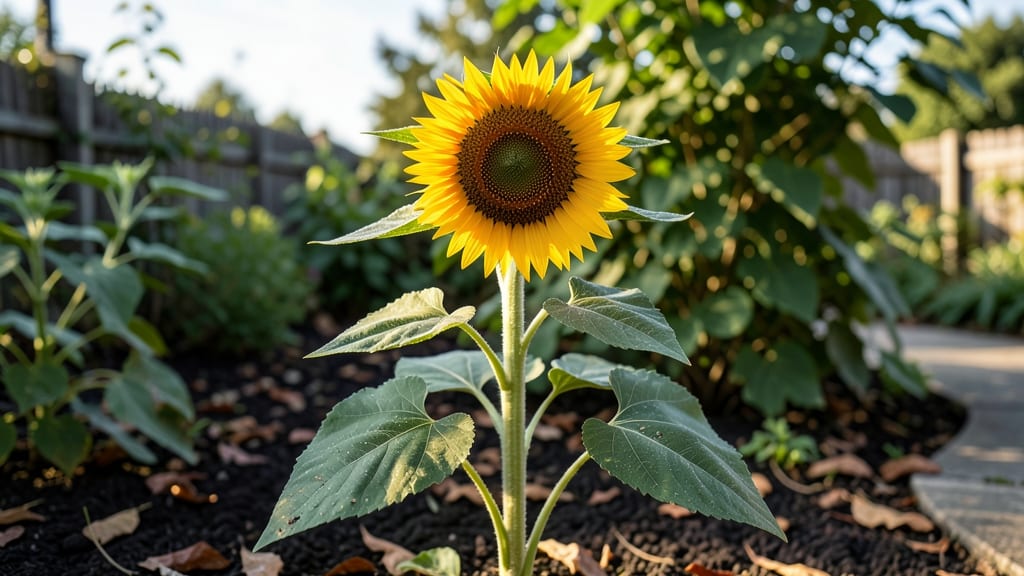
If you're eager to see those bright 🌻 sunflower blooms light up your garden, timing is everything—and the exact flowering window depends on the variety you choose. Some sunflowers burst into color in as little as 50 days, while others take nearly 100 days to reach their full glory.
Knowing these timelines helps you plan your spring planting for a summer full of cheerful faces.
For gardeners in USDA Zone 6a, planting between April and May (after the last frost) aligns perfectly with sunflowers' natural growth rhythm. But did you know dwarf varieties like Teddy Bear can flower in just 60 days, while giants like Russian Giant take closer to 90 days?
This difference isn’t just about patience—it’s about strategy.
Whether you're growing sunflowers for bouquets, birdseed, or just the joy of watching them grow, understanding these timelines lets you adjust your care routine for faster blooms. From soil prep to sunlight tricks, small tweaks can shave weeks off your wait time.
Let’s break down exactly how to work with your sunflowers’ natural schedule for the most vibrant display possible.
The key to success lies in matching your variety to your growing season and climate. With the right approach, you could be harvesting sunflower blooms as early as July—or even later into September if you plant later varieties.
Ready to turn your garden into a sunflower spectacle? Here’s how to make it happen.
Sunflower flowering time by variety: exact days from seed to bloom
If you're dreaming of bright yellow blooms lighting up your garden, timing is everything. Sunflowers vary wildly in flowering time—some burst into bloom in just 50 days, while others take nearly 120 days to reach their full glory.
The key? Choosing the right variety for your growing season and climate. Let’s break down the exact timelines for popular sunflower types so you can plan your planting schedule like a pro.
Most sunflowers follow a predictable growth pattern: germination (5-14 days), vegetative growth (30-60 days), and finally flowering (50-120 days total). However, dwarf varieties and giant types can differ by up to 70 days.
For example, the Teddy Bear variety blooms in as little as 50 days, while the Russian Giant takes closer to 100-120 days. Understanding these differences helps you avoid disappointment and ensures your garden stays vibrant all summer.
| Variety | Days to Bloom | Height | Best For |
|---|---|---|---|
| Teddy Bear | 50-60 days | 2-3 ft | Containers, cut flowers |
| Mammoth | 80-100 days | 10-14 ft | Tall backdrops, bird feed |
| Russian Giant | 100-120 days | 12-16 ft | Dramatic displays, seeds |
| Autumn Beauty | 60-75 days | 5-6 ft | Colorful blooms, pollinators |
| Sunspot | 55-65 days | 3-4 ft | Small gardens, borders |
The Teddy Bear and Sunspot varieties are perfect if you're short on time or space. These dwarf sunflowers bloom in just 50-65 days and stay compact, making them ideal for containers or small gardens. They’re also great for cut flowers because they reach maturity quickly.
If you’re aiming for a statement piece, the Mammoth or Russian Giant varieties will deliver jaw-dropping height—but be prepared to wait 80-120 days for those towering blooms.
For gardeners in warmer climates (Zones 8-10), you can push the envelope by planting early spring or late summer varieties. For example, sowing Autumn Beauty in late July can yield blooms by early September, extending your flowering season.
In cooler regions (Zones 3-6), stick to early May plantings to ensure flowers appear before the first frost. Timing your plantings right can mean the difference between a short-lived bloom and a prolonged display.
Did you know that soil temperature plays a huge role in germination speed? Sunflower seeds sprout best in soil that’s at least 60°F (15°C). If your spring is slow to warm up, consider using a seedling heat mat or starting seeds indoors 4-6 weeks before your last frost date.
This trick can shave 10-14 days off your total flowering time. Pair this with full-sun exposure (6+ hours daily), and you’ll maximize growth speed.
One common mistake I see is assuming all sunflowers follow the same timeline. Giant varieties like Russian Giant need longer daylight hours to trigger flowering, which is why they take so much longer to bloom.
If you’re impatient, opt for early-blooming dwarf varieties like Teddy Bear or Sunspot. These are bred to bolt quickly and reward you with bright faces in your garden within 2 months.
Pro tip: If you want to accelerate blooming, fertilize with a balanced 10-10-10 NPK when seedlings are 6 inches tall. This gives them the phosphorus boost they need to develop strong roots and buds.
Avoid over-fertilizing with nitrogen, though—too much can delay flowering as the plant focuses on leafy growth instead of blooms. Stick to light, regular feedings for the best results.
For container growers, choose dwarf or semi-dwarf varieties like Sunspot or Autumn Beauty. These thrive in 5-gallon pots
How to speed up sunflower flowering: pro tips for faster blooms
Sunflowers are nature’s speed demons when given the right conditions—but many gardeners unknowingly slow them down with common mistakes. The good news? With a few strategic tweaks, you can shave 2-3 weeks off your sunflowers' flowering time.
The secret lies in optimizing their three core needs: sunlight, soil, and water. Let’s dive into the fastest ways to get those bright yellow blooms popping up sooner than expected.
First, let’s address the biggest myth: sunflowers don’t need constant watering to bloom faster. Overwatering actually stresses plants and delays flowering. Instead, focus on deep, infrequent watering—especially during their critical first 30 days of growth.
This encourages strong root development, which directly speeds up the transition from vegetative growth to flowering. Think of it like giving your sunflowers a growth turbocharge from the ground up.
- 1
- 2
- 3
- 4
- 5
Another game-changer is soil preparation. Sunflowers thrive in well-draining, slightly acidic soil (pH 6.0-7.0). Before planting, mix in compost or aged manure to boost nutrient availability. I once planted sunflowers in clay-heavy soil without amending it—result?
Flowering was delayed by 3 weeks. The lesson? Test your soil and adjust if needed. A simple pH test kit (under $10) saves you time and frustration.
Don’t overlook the power of succession planting. If you’re in a warm climate (like USDA Zone 8+), you can plant a second batch of fast varieties in late June for fall blooms.
This strategy extends your sunflower season and ensures you always have fresh flowers. Just be sure to choose short-day varieties (like Autumn Beauty) that respond well to shorter daylight hours.
Finally, watch out for these silent flowering killers: over-fertilizing with nitrogen (promotes leaves, not blooms), planting too late in the season (plants won’t mature in time), and ignoring pest pressure (aphids and spider mites sap energy).
A quick spray of neem oil every 2 weeks keeps pests at bay without harming your sunflowers. With these tips, you’ll be cutting sunflower stems for bouquets—or saving seeds for next year—weeks ahead of schedule!