
Size
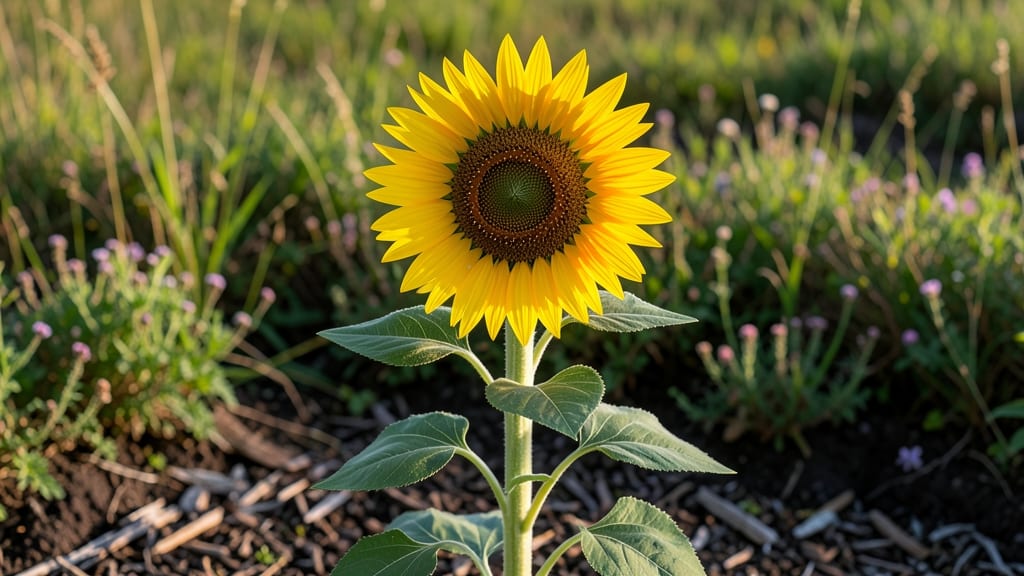
Growing sunflowers from seed to full bloom in just 80-120 days feels like magic—but it’s all about timing, sunlight, and a little patience. Whether you’re dreaming of towering 🌻 stalks or planning a harvest for late summer, understanding the growth stages is the key to success.
From those first tiny sprouts popping through the soil to the moment the massive blooms turn toward the sun, every phase matters. In Zone 6a, planting in April or May means you’ll see germination in 5-10 days, with rapid growth once the weather warms.
But rushing the process can backfire—so let’s break down exactly what to expect and how to keep your sunflowers thriving.
You’ll discover how to speed up growth naturally, avoid common pitfalls that stall progress, and even troubleshoot issues before they derail your plants. By the end, you’ll know exactly when to expect those vibrant blooms—and how to make the most of your spring planting for a stunning summer display.
Ready to turn your garden into a sunflower spectacle? Let’s dive into the stages, tips, and timelines that’ll have your 🌻 reaching for the sky in record time.

Sunflower grow time stages: seed to full bloom timeline
Sunflowers are one of nature’s most rewarding plants to grow, transforming from tiny seeds into towering 🌻 giants in just a few months. Understanding their growth stages helps you anticipate milestones and troubleshoot issues before they arise.
From the first sprouts to fully mature seed heads, each phase has specific needs—and knowing these timelines ensures you’re ready to provide the right care at the right time.
The entire sunflower grow time typically spans 80-120 days from seed to harvest, depending on the variety. Dwarf varieties like Teddy Bear may mature in as few as 50-60 days, while giants like Russian Giant or Mammoth can take 100-120 days to reach their full height and produce seeds.
Let’s break down each stage so you can track progress and optimize growth.
🌱 Germination (Days 1-14): This is where it all begins. After planting seeds 1 inch deep in warm soil (at least 70°F), sprouts should emerge in 5-14 days. Consistently moist soil is critical—keep it damp but not soggy. Thin seedlings to 6 inches apart once they’re 2-3 inches tall to prevent competition.
🌿 Vegetative Stage (Days 15-45): During this rapid growth phase, your sunflowers will focus on building strong stems and leaves. Expect 2-3 inches of growth per week if conditions are ideal. This is when they need full sun (6-8 hours daily) and balanced fertilizer (5-10-10) to support leafy growth. Watch for yellowing leaves, which may signal overwatering or nutrient deficiencies.
🌼 Flowering Stage (Days 46-75): Around 6-8 weeks after planting, you’ll notice the first buds forming at the top of the stem. These buds will open into the iconic sunflower blooms within 7-10 days. The plant may grow 1-2 feet taller during this phase. Ensure consistent watering (1-2 gallons per plant weekly) and stake taller varieties to prevent toppling in wind.
| Stage | Days to Complete | Key Growth Features | Care Tips |
|---|---|---|---|
| Germination | 5-14 | First sprouts appear | Keep soil moist, thin seedlings |
| Vegetative | 30-45 | Rapid stem/leaf growth | Full sun, balanced fertilizer |
| Flowering | 10-15 | Bud formation, bloom opening | Stake tall varieties, deep water |
| Seed Development | 20-30 | Petals wilt, seeds mature | Reduce water, harvest when dry |
| Total Grow Time | 80-120 | Variety-dependent (dwarf to giant) | Monitor pests, adjust care |
The final stage, seed development (Days 76-120), is where your sunflowers shift focus from blooms to seed production. Petals will begin to wilt and fall off, revealing the brown seed head. This is when you’ll want to reduce watering slightly to allow the seeds to dry properly.
Harvest seeds when the back of the flower head turns brownish-yellow and feels firm—usually 30-45 days after flowering.
If you’re growing sunflowers for cut flowers, harvest when the blooms are fully open but before the petals start to droop. For seed production, leave the flower heads on the stalk until they’re completely dry and the seeds rattle when shaken.
This can extend the total grow time by a few weeks, but the wait is worth it for fresh seeds or bird feed!
Timing is everything when it comes to sunflowers. Planting too early in cool soil can delay germination, while late planting may result in smaller blooms or seeds that don’t mature before frost.
In Zone 6a, aim to plant seeds in late April or early May for optimal results. With the right conditions, you’ll see those 🌻 reaching for the sky in no time!
Pro tip
How to speed up sunflower grow time naturally
Sunflowers are nature’s speed demons when given the right conditions—🌻 they can shoot from seed to towering 10-foot giants in just 80-120 days. But rushing them too hard or missing key growth triggers can turn your fast-track dreams into a slow-motion disaster.
The secret? Mimicking their natural preferences with precision timing, soil warmth, and strategic care. Let’s unlock the shortcuts that keep your sunflowers reaching for the sun like they’re in a race.
First, timing is everything. Planting after your last frost (typically mid-April in Zone 6a) ensures soil temperatures hit that sweet spot of 60-70°F—perfect for germination.
Cold soil delays sprouting by days, even weeks, so if your area has chilly springs, consider using black plastic mulch or a cold frame to warm the earth faster. Think of it as giving your seeds a cozy blanket to wake up under.
Now, let’s cut to the chase with my top 5 game-changers for turbocharging growth—no shortcuts, just science-backed speed.
- 1 Plant at peak soil temps: Aim for 60-70°F soil—use a soil thermometer to check. Cooler soils slow germination to 10-14 days; warmer soils get sprouts in 5-7 days.
- 2 Deep-water daily for 2 weeks: Give seedlings 1-2 gallons per plant in the morning. Shallow watering stresses roots, while deep soaks encourage 2-inch daily growth in ideal conditions.
- 3 Maximize sunlight exposure: Place plants in full sun (6+ hours/day). South-facing beds or containers near reflective surfaces (like white walls) boost light absorption by 15-20%.
- 4 Companion plant with marigolds: Marigolds repel pests like aphids and beetles, reducing stress on sunflowers. Their bright blooms also attract pollinators, speeding up flowering by 5-10 days.
- 5 Fertilize at the right stage: Use a balanced 5-10-10 fertilizer when seedlings hit 6 inches tall. Over-fertilizing early causes leafy growth over blooms, delaying maturity by weeks.
Don’t overlook the power of spacing—crowded sunflowers compete for nutrients and light, stunting growth. Thin seedlings to 12-24 inches apart as they mature; this gives each plant room to photosynthesize efficiently and reach its full height.
I’ve seen Russian Giant varieties grow 3 feet taller just by giving them elbow room.
Finally, monitor your sunflowers’ leaf color for hidden clues. Yellowing leaves often signal nitrogen deficiency, while brown edges mean overwatering or salt buildup. Adjust care immediately—these issues can cut growth time by 20-30 days if ignored.
With these tweaks, you’ll watch your sunflowers bolt upward like they’re in a growth spurt competition.