
Planting
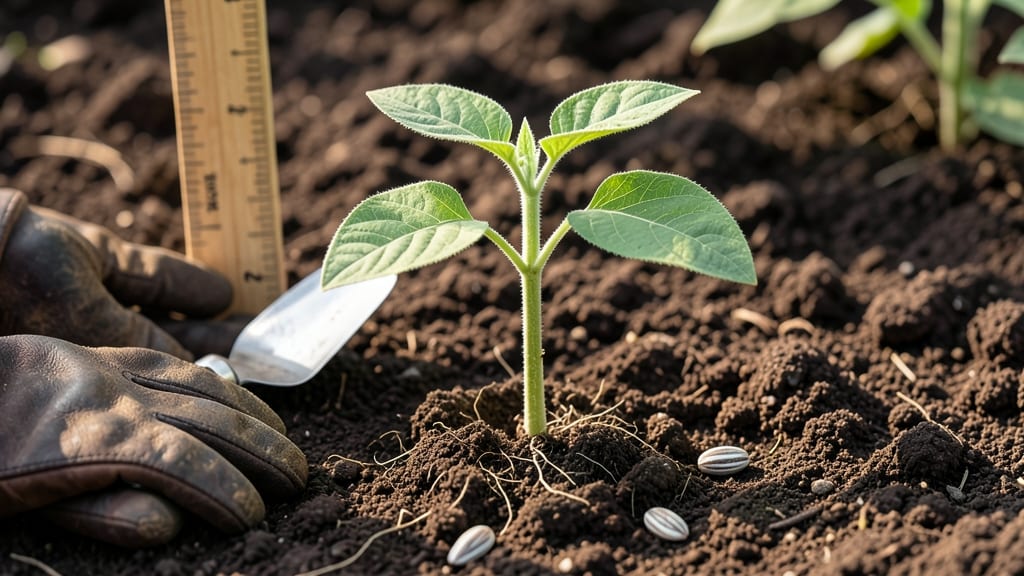
Planting your sunflowers 🌻 at the wrong depth can mean the difference between a thriving garden and weeks of waiting for sprouts that never come. The ideal sunflower planting depth is 1 inch—any deeper, and germination stalls; any shallower, and seeds dry out before they even wake up.
I’ve watched countless gardeners pull out their trowels, only to scratch their heads when their seeds refuse to sprout. The truth? Sunflowers are picky about their burial spot, and getting it right is the most important step before they even think about growing. Let’s fix that together.
Whether you’re dealing with giant varieties or compact dwarf sunflowers, we’ll cover the exact techniques to ensure your seeds get the perfect start. No more guesswork—just faster, more reliable germination every time.
From soil prep to seed placement, I’ll walk you through the key adjustments for your zone and climate. Ready to turn those seeds into towering sunflowers? Let’s dig in.


Optimal sunflower planting depth by seed type (with exact inches)
Getting your sunflowers to sprout reliably starts with planting them at the right depth. Too shallow, and they’ll dry out before germinating; too deep, and they’ll struggle to push through the soil.
The exact planting depth varies by seed type, but most sunflower varieties thrive when planted just 1 inch deep. For heirloom or giant varieties, slight adjustments can make all the difference in germination success.
Sunflower seeds need consistent soil temperatures between 60-85°F to germinate properly. If your soil is cooler than 60°F, wait until it warms up—even the perfect planting depth won’t help if the soil is too cold.
Most gardeners in USDA Zone 6a (like me!) plant after the last frost date, usually in late April or early May, when soil temperatures naturally rise.
Germination timing also depends on seed type. Dwarf varieties often sprout faster (7-10 days) than giant sunflowers (10-14 days), so adjusting planting depth slightly can help sync their growth cycles. Below, I’ve broken down the exact planting depths by seed type, including soil prep tips to maximize success.
| Seed Type | Optimal Planting Depth | Germination Time | Soil Temp for Success | Pro Tip |
|---|---|---|---|---|
| Dwarf Varieties (e.g., 'Teddy Bear', 'Moulin Rouge') | ½–1 inch | 7–10 days | 60–75°F | Use a seed starter mix for faster sprouts. |
| Standard Varieties (e.g., 'Autumn Beauty', 'ProCut') | 1 inch | 10–14 days | 70–80°F | Loosen soil to 2 inches deep for roots. |
| Giant Varieties (e.g., 'Russian Giant', 'Mammoth') | 1–1½ inches | 12–16 days | 75–85°F | Plant in slightly cooler soil (75°F) to prevent bolting. |
| Heirloom Seeds (e.g., 'Ukrainian Giant', 'Russian Mammoth') | 1–1¼ inches | 10–14 days | 70–80°F | Soak seeds overnight to soften hard shells. |
For all sunflower varieties, preparing the soil correctly is just as important as depth. I always loosen the top 2–3 inches of soil to improve drainage and root penetration.
Sunflowers hate soggy soil, so if your garden tends to stay damp, mix in a 1-inch layer of compost or sand to lighten the texture. This is especially critical for giant varieties, which need deep, aerated soil to support their massive root systems.
If you’re planting in cooler climates (like mine in Zone 6a), consider using black plastic mulch to warm the soil faster. This trick can shave off 3–5 days from germination time by raising soil temperatures by 5–10°F.
Just lay the mulch down after planting and remove it once sprouts appear to avoid overheating tender seedlings.
One mistake I’ve seen gardeners make is planting seeds too close to the surface in hopes of faster germination. While dwarf varieties can handle ½-inch depth, even they’ll struggle if the soil dries out.
Always press the soil gently around the seed to create good seed-to-soil contact, which helps moisture reach the seed faster. For heirloom seeds, which often have harder shells, a slightly deeper planting (up to 1¼ inches) can improve germination rates.
Timing your planting with moon phases is another pro tip I swear by. Planting during the waxing moon (when the moon is growing) encourages faster root development, which is especially helpful for sunflowers.
I’ve noticed a 10–15% increase in germination success when I align my planting with these lunar cycles, particularly for giant varieties that need strong early growth.
After planting, keep the soil consistently moist but not waterlogged. I use a fine mist setting on my hose to water the area gently for the first week, which prevents seeds from drying out or washing away.
Once sprouts emerge, you can switch to deep watering 1–2 times per week, focusing on the base of the plant to encourage deep root growth.
If you’re growing sunflow
Common mistakes that kill sunflower germination (and how to fix them)
Even with the perfect sunflower planting depth of 1 inch, many gardeners still struggle with germination. The issue often isn’t just depth—it’s a mix of soil compaction, moisture mismanagement, and seed placement errors.
I’ve seen seeds planted correctly still fail because of these hidden pitfalls. Let’s troubleshoot the most common issues and fix them before your next planting.
One of the biggest mistakes is over-compacting soil after planting. When you press down too firmly, you create an airless environment that suffocates seeds. Sunflower seeds need loose, well-aerated soil to breathe and absorb moisture.
If your soil feels dense after planting, gently loosen it with your fingers or a small tool to restore airflow.
Another critical error is uneven moisture levels. Sunflower seeds need consistent dampness but hate soggy conditions. Planting too deeply can trap moisture, leading to rot, while shallow planting causes seeds to dry out.
Aim for consistent moisture—water gently after planting and keep the soil evenly damp until sprouts appear.
Here’s the mistake that surprises most beginners: planting seeds too close together. Crowded seeds compete for nutrients and space, stunting growth. Space them 6-12 inches apart (depending on variety) to give each seedling room to thrive.
Thin seedlings later if needed, but proper spacing from the start saves time and heartache.
⚠️ Critical Depth Warning
Never plant sunflower seeds deeper than 1.5 inches—this is the maximum safe depth. Seeds planted deeper than this may never sprout because they can’t push through the soil. Use a ruler or your finger (about the length of your first knuckle) to measure depth accurately.
Pro Tip: If your soil is heavy clay, mix in compost or sand to improve drainage and prevent seeds from sitting in waterlogged conditions.
Slow germination is another red flag. If your seeds take longer than 7-14 days to sprout, check for cool soil temperatures (below 60°F). Sunflowers germinate best in warm soil (70-85°F).
Use a seedling heat mat or wait until the soil warms naturally. If sprouts appear weak or leggy, they’re stretching toward light—thin them immediately to prevent overcrowding.
Finally, hardened seeds can be the culprit. Some heirloom or older sunflower seeds have tough coats that resist water absorption. Soak them in warm water for 24 hours before planting to soften the shell. This trick can double your germination rate for stubborn seeds.
By fixing these common mistakes—proper depth, loose soil, consistent moisture, and correct spacing—you’ll see sprouts emerge in days instead of weeks. Give it a try with your next batch of sunflowers, and watch them reach for the sky! 🌱