
Propagation
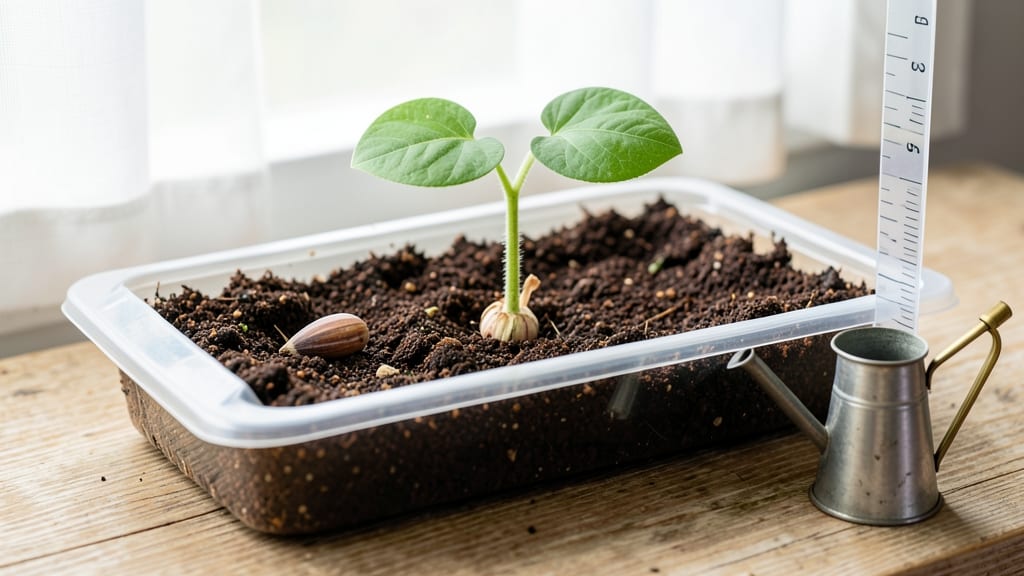
How long do sunflower seeds take to germinate (and what affects it?)
Sunflower seeds typically sprout within 3 to 14 days under ideal conditions, but this timeline can vary based on several factors. If your seeds aren’t showing signs of life within this window, don’t panic—adjusting a few key conditions can make all the difference.
The fastest germination usually occurs when seeds receive consistent warmth and moisture, mimicking their natural growing environment.
For gardeners in cooler climates, waiting 10 to 14 days is normal, while those in warmer regions might see sprouts in just 3 to 7 days. Understanding these variations helps set realistic expectations and troubleshoot delays.
The secret to speeding up germination lies in controlling soil temperature, moisture levels, and even seed quality.
🌱 Key Insight: Sunflower seeds are sensitive to cold soil, so if your garden bed is still chilly after the last frost, consider starting them indoors or using a seedling heat mat. This simple adjustment can cut 3 to 5 days off your germination time.
| Factor | Ideal Condition | Germination Impact |
|---|---|---|
| Soil Temperature | 70–85°F (21–29°C) | Faster sprouting (3–7 days) |
| Moisture Level | Consistently damp (not soggy) | Prevents drying out (7–14 days) |
| Seed Depth | ½–1 inch deep | Too deep = slower germination |
| Seed Quality | Fresh, untreated seeds | Old seeds may take 2+ weeks |
| Light Exposure | Indirect light (or darkness for pre-sprouting) | Too much light = drying out |
The ideal soil temperature for sunflower seed germination is between 70°F and 85°F (21–29°C). If your garden soil hasn’t warmed up yet, try pre-sprouting seeds indoors using a seedling heat mat or placing them near a sunny window.
Even a 10°F (5°C) drop in temperature can double your germination time, so monitor conditions closely.
Moisture is another critical factor—sunflower seeds need consistently damp soil, not soggy conditions. Overwatering can lead to seed rot, while underwatering causes seeds to dry out and fail to sprout. Aim to keep the soil moist but well-draining, especially in containers where water can pool.
A simple trick is to cover seeds with a light layer of mulch to retain moisture without suffocating them.
Planting depth also plays a role: sunflower seeds should be sown ½ to 1 inch deep. Planting too shallow can dry them out, while burying them too deep forces seedlings to struggle upward, delaying emergence.
If you’re unsure about depth, err on the shallower side—sunflower seeds are hardy and can handle slight variations.
Seed quality matters just as much as environmental conditions. Old or stored seeds may take 2 weeks or longer to germinate, while fresh seeds from a reputable supplier often sprout within 5 to 7 days.
To test viability, soak a few seeds in warm water for 24 hours—if they swell and crack, they’re likely good to plant. Discard any seeds that remain hard or float.
Light exposure is often overlooked but crucial. Sunflower seeds don’t need light to germinate, but they do require indirect light afterward to prevent leggy seedlings. If starting indoors, place trays under grow lights or near a south-facing window once sprouts appear.
Avoid direct sunlight during the germination phase, as it can dry out the soil too quickly.
Finally, patience is key—even under perfect conditions, some seeds may take up to 21 days to germinate. If you’ve followed all the tips and still see no sprouts after 3 weeks, it’s time to troubleshoot.
Check for mold or rot, test soil moisture, or try replanting fresh seeds. With the right conditions, your sunflowers will reward you with bold, cheerful blooms in no time.
🌻 Ready to speed up germination? Try these 3 quick fixes: use a heat mat, pre-soak seeds overnight, and keep soil warm and moist. Your sunflowers will thank you with faster, stronger growth!
5 Proven tricks to speed up sunflower seed germination in 3 days or less
If you're eager to see those bright green sunflower sprouts in record time, you're in the right place. While sunflower seeds typically take 7 to 14 days to germinate, these 5 proven tricks can cut that time in half—sometimes even yielding sprouts in just 3 days.
The key lies in mimicking their natural environment with warmth, moisture, and proper preparation.
Sunflowers thrive when their seeds experience consistent warmth and optimal moisture—conditions that are easy to recreate at home. Whether you're using paper towels, heat mats, or warm water, these methods accelerate the germination process by breaking seed dormancy and encouraging rapid root development.
Let’s dive into the fastest, most effective techniques.
- 1 Pre-soak seeds in warm water for 4–8 hours to soften the seed coat and kickstart germination. This method can reduce sprouting time by 2–3 days by hydrating seeds before planting.
- 2 Use a seedling heat mat set to 75–85°F (24–29°C). Heat mats simulate the warmth of a sunflower’s natural habitat, speeding up metabolic activity inside the seed and triggering faster sprouting.
- 3 Layer seeds with damp paper towels in a sealed container. This creates a humid, warm microclimate that can produce sprouts in just 3 days. Check daily and replant seedlings once roots appear.
- 4 Avoid overwatering—keep soil consistently moist but not soggy. Overwatering leads to seed rot, while underwatering causes seeds to dry out. A spray bottle or moisture meter helps maintain the perfect balance.
- 5 Plant seeds at the correct depth—½ to 1 inch deep. Deeper planting slows germination, while shallow planting risks drying out. Use a ruler for precision, especially in loose or sandy soil.
The paper towel method is my go-to for the fastest results. Simply place 2–3 sunflower seeds between two damp paper towels in a sealed plastic bag. Store the bag in a warm, dark place (like a sunny windowsill or on top of a fridge) and check daily.
Within 3 days, you’ll see tiny roots emerge—ready to transplant into soil. This method is especially useful for early spring planting when garden beds are still cold.
For gardeners without heat mats, a DIY warm water trick works wonders. Fill a bowl with warm (not hot) water and soak seeds for 6–12 hours. The warmth softens the seed coat, while the hydration jumpstarts the germination process.
After soaking, plant seeds immediately in warm, moist soil for the best results. This method is perfect for indoor seed starting when outdoor conditions aren’t ideal.
Once your sunflower seeds sprout using these tricks, transplant them carefully to avoid damaging delicate roots. Harden off seedlings by gradually exposing them to outdoor conditions over 5–7 days before moving them to the garden.
With these techniques, you’ll enjoy bold, healthy sunflowers in half the usual time—all while avoiding common pitfalls like overwatering or planting too deep.
🌱 Pro Tip: Pair these tricks with direct sunlight once seedlings emerge to prevent leggy growth. A sunny windowsill or grow light ensures your sunflowers grow strong and sturdy from the start!