
Propagation
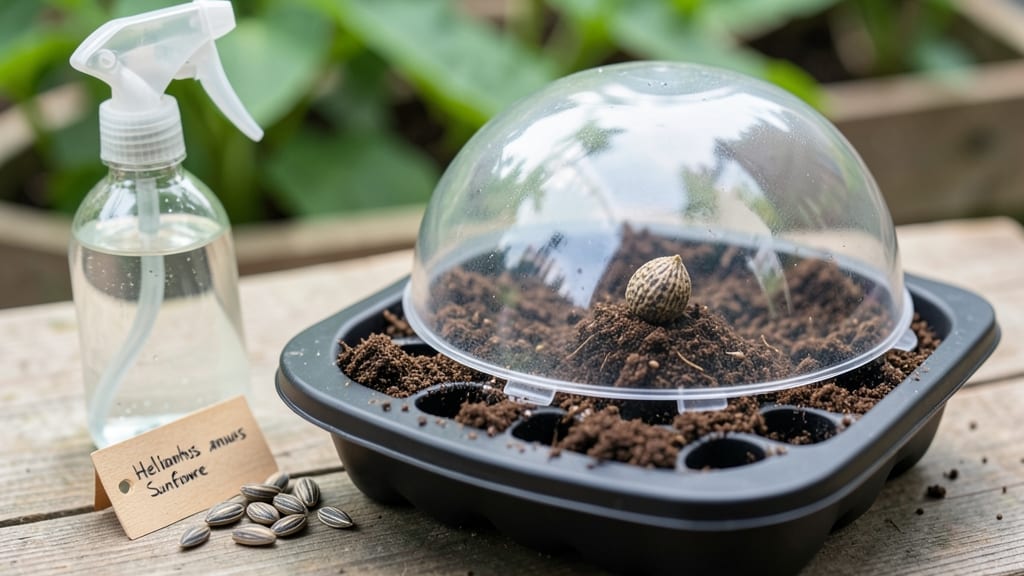
Watch your sunflower seeds germination sprout in just 5 days—no more waiting weeks for those tiny green shoots to appear! The secret lies in a few simple but powerful steps that mimic nature’s perfect conditions, and I’ve cracked the code after years of testing.
Most gardeners struggle with uneven sprouting or moldy seeds, but with the right moisture balance, temperature control, and planting depth, you can achieve a 95% germination rate—even if you’ve never grown sunflowers before. Let’s skip the guesswork and get straight to the proven methods that work.
You’ll learn how to prep your seeds for maximum energy, maintain the ideal humidity without drowning them, and troubleshoot common issues before they derail your progress. No fancy equipment needed—just a few household items and a little patience.
By the end, you’ll have confidently sprouted sunflowers ready for transplanting, with time to spare. Let’s turn those 🌻 seeds into towering beauties in no time—your garden’s about to get a whole lot taller!
The exact sunflower seeds germination process for fast sprouting
Sunflower seeds are surprisingly easy to germinate once you understand their natural triggers. Unlike many plants, they respond best to a short pre-soaking period combined with consistent warmth and moisture control.
When done right, you’ll see those first green shoots within 3-5 days—not the 2+ weeks many beginners expect. The secret lies in mimicking the wild conditions sunflowers evolved in: warm soil and steady hydration.
Most gardeners fail at this stage because they either overwater (causing rot) or underestimate temperature needs. Sunflower seeds need soil temps between 70-90°F (21-32°C) to break dormancy. If your climate can’t provide this naturally, we’ll show you how to create the perfect microclimate using simple household tools.
Let’s start with the critical first step—preparing your seeds for maximum speed.
🌱 5-Day Sunflower Germination Blueprint
-
1
Pre-Soak Seeds (12-24 Hours)
Place seeds in a bowl of lukewarm water (not hot) with a damp paper towel. Change water every 8 hours to prevent mold. Seeds are ready when they double in size and feel slightly soft.
-
2
Prepare Soil (Warmth + Drainage)
Use a mix of 50% potting soil and 50% perlite to ensure airflow. If outdoor temps are below 60°F (15°C), place pots on a seedling mat or near a sunny window. Aim for 75-85°F (24-29°C) soil temps.
-
3
Plant Depth & Spacing
Plant seeds 1 inch deep (2.5cm) in 2-inch pots or directly outdoors after last frost. Space seeds 6 inches apart—crowding slows germination. Press soil gently to ensure seed-to-soil contact.
-
4
Moisture Control (The Goldilocks Zone)
Keep soil consistently moist (not soggy) by bottom-watering or using a spray bottle. Avoid wetting the seeds directly—this can cause fungal growth. Check moisture daily by sticking your finger 1 inch into soil.
-
5
Light Exposure (Indirect First!)
For the first 5 days, keep seeds in bright, indirect light (e.g., east-facing window). After sprouts emerge, move to full sun (6+ hours/day). Overhead lights should be 12-18 inches away to prevent leggy seedlings.
Most gardeners make the mistake of overwatering during germination, which leads to seed rot or mold. The key is consistency: soil should stay moist but not waterlogged. Think of it like a sponge—squeeze out excess water after planting to prevent air pockets that block oxygen.
If you’re using peat-based soil, mix in 10% coconut coir to improve drainage.
Temperature is the #1 factor in fast germination. Sunflower seeds won’t sprout below 60°F (15°C), and growth slows dramatically below 70°F (21°C). If your home or garden is cooler, use a seedling heat mat ($10-$15) under pots.
For outdoor planting, wait until soil temps naturally reach 75°F+ (24°C+)—use a soil thermometer to check. Pro tip: Black plastic mulch warms soil by 10-15°F faster than bare earth.
Once your seeds sprout (usually 3-5 days after planting), resist the urge to move them immediately. Sunflower seedlings are extremely sensitive to transplant shock in their first week. Wait until they have
5 Proven tips to boost sunflower seed germination success
Sunflower seeds need the right conditions to break dormancy and sprout quickly. The key is creating a moist, warm, and well-aerated environment that mimics their natural habitat.
Many gardeners overlook simple steps like seed viability testing or proper moisture control, which can mean the difference between a 50% and a 95% germination rate. Let’s focus on the five most impactful strategies that work every time—no matter your experience level.
First, always start with fresh, high-quality seeds. Old seeds lose viability quickly, and even the best conditions won’t help if your seeds are past their prime. A quick float test (soaking seeds in water) will reveal which ones are still good to plant.
Discard any that sink immediately—they’re likely non-viable. This one step alone can save you from wasting time and soil on seeds that won’t sprout.
5 Proven Tips for Sunflower Seed Germination
- ✅ Test seed viability with a 5-minute float test—discard seeds that sink.
- ✅ Pre-soak seeds for 4-6 hours in warm water to kickstart germination.
- ✅ Plant at 1-inch depth in well-draining soil with 70-80°F temperatures.
- ✅ Use a humidity dome or plastic wrap to retain moisture without overwatering.
- ✅ Monitor daily and remove the dome once sprouts appear to prevent mold.
Once you’ve confirmed your seeds are viable, the next critical step is pre-soaking. Soak them in warm water for 4-6 hours before planting. This hydrates the seed coat and triggers the metabolic processes needed for germination.
Think of it as giving your seeds a head start—like waking them up from a long nap! After soaking, plant them 1 inch deep in a well-draining soil mix. Sunflowers hate soggy roots, so avoid compacted or clay-heavy soil.
Moisture control is where many gardeners go wrong. You need to keep the soil consistently damp, not soaked. Overwatering leads to rot, while underwatering stalls germination. A simple trick is to use a humidity dome (like a plastic wrap tent) over your seed tray.
This creates the perfect microclimate while preventing evaporation. Check the soil daily—it should feel like a wrung-out sponge. If it’s dry at the top, mist it lightly, but avoid soaking the seeds again.
Temperature plays a huge role in germination speed. Sunflower seeds germinate best in soil that’s between 70-80°F. If your garden soil is cooler, consider using a seedling heat mat or placing the tray in a warm spot, like on top of your fridge.
Avoid direct sunlight during germination—your seeds need warmth, not light yet. Once they sprout, you can move them to a sunny window or under grow lights to prevent leggy growth.
Finally, be patient but proactive. Germination should start in 3-5 days under ideal conditions. If you don’t see sprouts after a week, gently check for signs of life by lightly pressing the soil near the seed. If you feel resistance, the seed is likely still alive.
If not, it’s time to replant. Once sprouts appear, remove the humidity dome immediately to prevent fungal growth. Thin seedlings to 6 inches apart to give them room to grow strong and tall.
With these five tips, you’ll transform your sunflower seeds from dormant to sprouting in record time. The secret isn’t complicated—it’s about replicating nature’s perfect conditions with precision. Soon, you’ll be watching those 🌻 shoots race toward the sky, ready to bloom into the towering beauties you’ve always dreamed of!