
Flowers
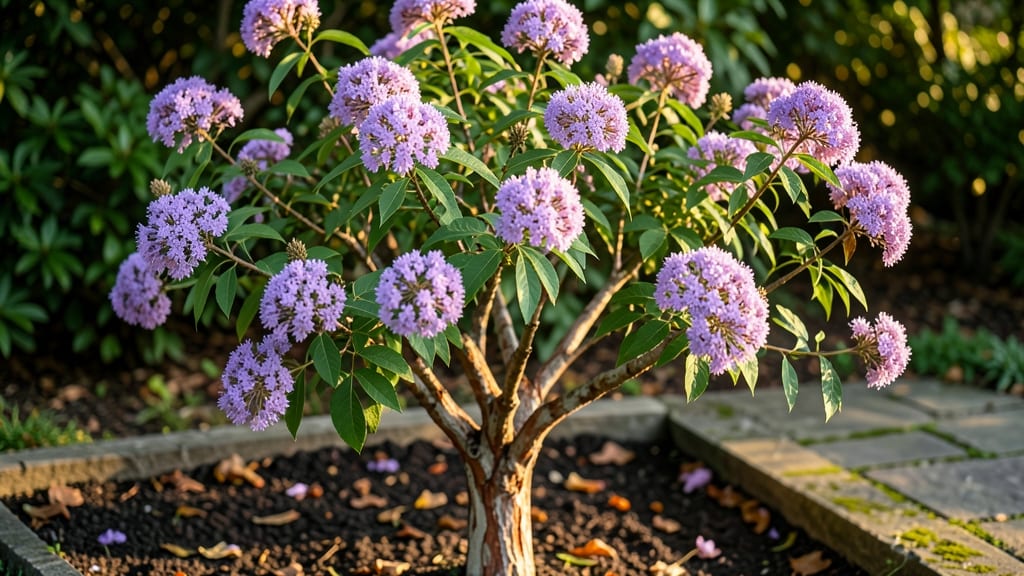
There’s nothing quite like the sight of a tree with little purple flowers in full bloom—those fragrant clusters of lilac 🌸 that turn heads and fill the air with sweetness. If you’ve ever dreamed of adding this classic charm to your garden, you’re in the right place.
The secret to year-round blooms isn’t just luck; it’s about choosing the right variety, planting it correctly, and giving it the care it craves.
Lilacs thrive in zone 6a and beyond, but their beauty isn’t limited to one season. With the right pruning and a little attention, you can enjoy those delicate purple blooms from late spring into summer—and even coax a second flush of flowers if you time it just right.
Whether you’re a seasoned gardener or just starting out, these tips will help you grow a lilac bush that’s the star of your landscape.
The best part? Lilacs are incredibly versatile. Plant them as a standalone specimen for a pop of color, or pair them with complementary perennials like lavender or peonies for a fragrant, low-maintenance border.
They love full sun and well-draining soil, making them a game-changer for any garden design. Let’s dive into how to make your lilac bush bloom bigger, brighter, and longer than ever before.
From selecting the perfect variety to avoiding common mistakes that kill blooms, I’ll walk you through everything you need to know. By the end, you’ll have a lilac bush that not only looks stunning but also fills your garden with that unforgettable springtime scent. Ready to get started?
Identifying and selecting the best lilac varieties for purple flowers
When searching for a tree with little purple flowers, lilacs are the undisputed stars of spring gardens. Their fragrant blooms come in stunning shades of lavender, violet, and deep purple, but not all varieties deliver the same performance.
Some produce larger, showier clusters, while others offer earlier blooming times or stronger fragrance. Choosing the right cultivar ensures your lilac thrives in your USDA zone 6a climate and beyond.
The key to selecting the best lilac lies in understanding three factors: flower size and color, fragrance intensity, and hardiness zones. A dwarf Korean lilac might fit perfectly in a small garden, while a standard lilac like 'Katherine Haviland' will make a bold statement in a landscape.
Let’s explore the top varieties that guarantee those dreamy purple blooms you’re craving.
| Variety | Flower Color | Fragrance | Mature Height | Hardiness Zones | Bloom Time |
|---|---|---|---|---|---|
| 'Katherine Haviland' | Deep purple | Very strong | 8-12 ft | 3-7 | Late spring |
| 'Mme. Lemoine' | Light purple | Strong | 6-10 ft | 4-8 | Mid-spring |
| 'Dwarf Korean Lilac' | Purple-pink | Moderate | 3-5 ft | 5-9 | Early spring |
| 'Purple Plume' | Dark purple | Very strong | 4-6 ft | 4-8 | Late spring |
| 'Bloomerang Lilac' | Light lavender | Strong | 6-8 ft | 3-7 | Late spring + rebloom |
'Katherine Haviland' is a classic choice for its deep purple blooms and intense fragrance. This variety thrives in zones 3-7 and produces large, showy flower clusters that attract pollinators.
If you love the idea of a fragrant cloud filling your garden in late spring, this is the lilac for you. Its height makes it perfect as a specimen plant or backdrop for shorter perennials.
For those with smaller gardens, the 'Dwarf Korean Lilac' is a game-changer. This compact variety stays under 5 feet tall and blooms earlier than most lilacs, making it ideal for early spring color.
Its moderate fragrance and pink-purple flowers add a delicate touch to borders or container gardens. Plus, it’s highly adaptable to zones 5-9, giving you flexibility in placement.
If you’re after a reblooming lilac, the 'Bloomerang Lilac' is a standout. Unlike traditional lilacs that bloom just once, this variety produces two flushes of flowers in a single season—once in late spring and again in summer.
Its light lavender blooms and strong fragrance make it a low-maintenance superstar for extended seasonal interest.
Don’t overlook 'Mme. Lemoine' for its unique light purple flowers and strong scent. This French hybrid is a favorite among gardeners for its abundant blooms and adaptability to zones 4-8.
It’s also disease-resistant, making it a reliable choice for long-term garden performance. Pair it with dark foliage plants like heuchera to create a striking contrast.
Lastly, 'Purple Plume' offers a dark purple alternative with extra-long blooms that last longer than most varieties. Its strong fragrance and compact size (4-6 ft) make it perfect for small spaces or urban gardens.
This variety thrives in zones 4-8 and pairs beautifully with silver foliage plants like lamb’s ear for a modern look.
When selecting your lilac, consider your garden’s size, climate zone, and design goals. For maximum impact, plant lilacs where they’ll receive full sun (6+ hours daily) and well-draining soil.
Mulch around the base to retain moisture and protect roots, especially in hot summer months. With the right variety and care, your lilac will reward you with
Step-by-step lilac bush planting and pruning for maximum blooms
Planting your lilac bush correctly is the foundation for those show-stopping purple flowers you’re dreaming of. Unlike many plants, lilacs thrive when given the right conditions from day one—full sun exposure, well-draining soil, and proper spacing.
Skipping these steps can lead to sparse blooms or weak growth, so let’s get it right the first time. I’ve planted dozens of lilacs in my own garden, and the difference between a thriving bush and a struggling one comes down to these key details.
Once your lilac is planted, pruning becomes your secret weapon for encouraging bigger, healthier blooms year after year. Many gardeners make the mistake of pruning at the wrong time or too aggressively, which can actually reduce flowering. The timing and technique matter just as much as the initial planting.
If you’ve ever wondered why your lilac isn’t blooming as much as you’d like, chances are it’s tied to how (or when) you’ve been pruning it.
🌱 Step-by-Step Guide to Planting & Pruning Lilacs
- 1 Choose the right location: Select a spot with 6+ hours of full sun and well-draining soil. Lilacs hate soggy roots, so avoid low-lying areas where water pools.
- 2 Prepare the soil: Mix in compost or aged manure to enrich the soil. Lilacs prefer slightly alkaline soil (pH 6.5–7.5), so test your soil and amend if needed with lime.
- 3 Dig the hole: Make it twice as wide as the root ball but only as deep. This encourages root spread, which leads to stronger growth and more blooms.
- 4 Space properly: Plant lilacs 8–12 feet apart for standard varieties or 5–6 feet apart for dwarf types. Crowding leads to competition for nutrients and weaker blooms.
- 5 Prune after flowering: Wait until late spring or early summer (after blooms fade) to prune. Remove dead or crossing branches first, then shape the bush by cutting back 1/3 of the oldest stems to encourage new growth.
- 6 Fertilize lightly: Apply a balanced fertilizer (10-10-10) in early spring and again after pruning. Over-fertilizing can lead to leafy growth at the expense of flowers.
- 7 Mulch annually: Add 2–3 inches of mulch around the base (but not touching the trunk) to retain moisture and suppress weeds. Replenish mulch every spring.
One of the most common mistakes I see is pruning lilacs in the fall or winter. This removes the next year’s flower buds, which form on old wood. Instead, think of pruning as a way to renew your lilac’s energy.
By cutting back 1/3 of the oldest stems every year, you’re encouraging younger, more vigorous branches to take over—and those branches produce the most abundant blooms.
For maximum blooms, also consider giving your lilac a second pruning in late summer. Lightly trim any overly leggy growth to keep the shape tidy and promote bushier growth.
This isn’t just about looks; it’s about ensuring your lilac has the energy to produce those fragrant purple clusters year after year. With these steps, your lilac will become the star of your garden, filling the air with its signature scent and turning heads every spring.
Pro tip: If you want to encourage a second flush of blooms, prune lightly after the first round of flowers fades. This works best for varieties like 'Katherine Haviland', which naturally produces repeat blooms.
Just remember—patience is key. Lilacs can take 2–3 years to reach their full blooming potential, but the wait is worth it for that first explosion of color.