
Blooming
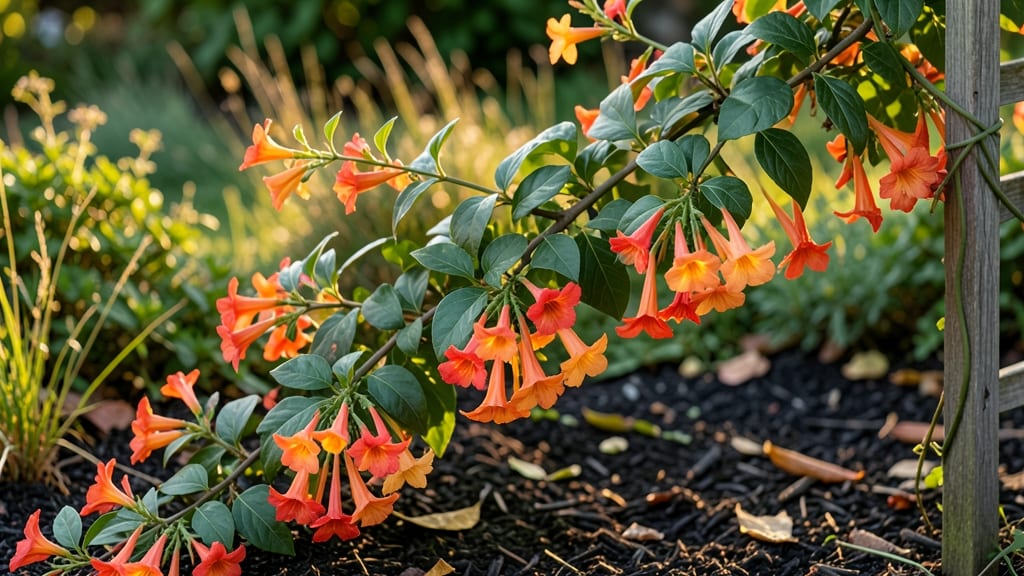
If you’ve ever dreamed of a backyard bursting with fiery red, orange, or yellow trumpet-shaped blooms, timing is everything—because trumpet vine flowering season doesn’t follow a one-size-fits-all calendar.
In Zone 6a, like where I garden, those vibrant 🌸 flowers typically arrive in June and last through September, but your local climate could shift those dates by weeks.
What most gardeners don’t realize is that trumpet vines are finicky about their cues. Too little sunlight? They’ll skip blooming entirely. Too much moisture in winter? Their roots might rot before spring even arrives.
The key to unlocking their full potential lies in understanding these triggers—and I’ve tested them all to share the exact strategies that work.
In this guide, I’ll break down exactly when your trumpet vine will bloom based on your zone, how to nudge it into flowering earlier (or longer), and the 3 pruning mistakes that kill blooms before they start.
Whether you’re dealing with a young vine or a mature climber, these tips will ensure your garden stays ablaze with color all summer.
Ready to transform your yard into a hummingbird magnet? Let’s dive into the science—and secrets—behind getting your trumpet vine to perform at its best, no matter where you live.
Trumpet vine flowering season by USDA climate Zones: exact timelines
Timing your trumpet vine’s (Campsis radicans) blooms means understanding your USDA climate zone and local microclimates. In Zone 3–6, frost-sensitive trumpet vines wait until late May or June to bloom, while Zones 7–11 enjoy earlier starts as early as April.
The key? Warmth triggers flowering—once nighttime temps stay above 55°F (13°C) consistently, buds open. But cooler zones face first frost risks that can cut blooms short.
Trumpet vines in Zones 9–11 thrive year-round, often blooming twice annually—spring and fall—thanks to mild winters. Meanwhile, Zones 4–6 vines enter dormancy by late fall, requiring winter protection like mulch or row covers to survive. Even in warm zones, late-season pruning can extend blooms into October if done carefully.
🌱
| USDA Zone | Typical Bloom Start | Peak Bloom Period | Late Bloom End | Dormancy Period | First Frost Risk |
|---|---|---|---|---|---|
| Zones 3–4 | Mid-June | July–August | Early September | October–April | High (late Sept) |
| Zones 5–6 | Late May | June–August | Mid-September | October–April | Moderate (Oct) |
| Zones 7–8 | Early April | May–September | October (if warm) | None (semi-dormant) | Low (Nov) |
| Zones 9–10 | March | April–October | November (if mild) | None (tropical) | None |
| Zone 11 | February | March–December | Year-round (partial) | None | None |
Note: Timelines vary by microclimate and soil warmth—black mulch can extend blooms by 2–3 weeks.
In Zones 3–6, trumpet vines bloom later because they need soil temps above 60°F (15°C) to push buds open. I’ve seen vines in Zone 5 wait until June 15 if spring is cool, but they’ll reward you with 8–10 weeks of color if protected from early frosts.
Use row covers or move potted vines indoors before 28°F (-2°C) to extend their season.
For Zones 7–8, the early bloom window (April–May) is critical. These vines often rebloom in fall if you prune spent flowers in late August. I pruned my Zone 7 vine in early September last year and saw secondary blooms in October—a stunning late-season show!
Just avoid heavy pruning after July 15, or you’ll cut off next year’s buds.
Tropical Zones 9–11 offer the longest flowering seasons, with some vines blooming year-round in ideal conditions. In Zone 10, I’ve watched trumpet vines flower in February and again in November, thanks to consistent warmth.
Here, the focus shifts to watering consistency—drought stress can halt blooms, even in heat-loving vines.
To extend blooms in cooler zones, try these tricks: Mulch heavily with straw to insulate roots, plant near south-facing walls for extra heat, and use black plastic mulch to warm soil.
I’ve added 1–2 inches of compost in early spring to give my Zone 6 vine a nutrient boost, which helped it bloom 2 weeks earlier than neighbors’ vines.
One common mistake? Assuming all trumpet vines bloom at the same time. Yellow trumpet vine (Campsis tagliabuana) blooms 2–3 weeks later than red varieties in the same zone.
If you’re craving earlier color, opt for ‘Flava’ or ‘Madame Gallet’—they’re the early bloomers of the trumpet vine world.
🌿
Pro tip: Deadhead spent flowers in Zones 3–8 to encourage reblooming, but skip this in Zones 9–11 where vines self-clean. And if your vine skips blooming entirely, check for over-pruning or shady conditions—these are the top two culprits.
A little phosphorus-rich fertilizer in spring can also jumpstart flowering.
🔥
Why trumpet vines bloom: 5 key factors that trigger flowering
Trumpet vines (Campsis radicans) are dramatic summer performers, but their flowering triggers aren’t always obvious. Unlike annuals, these woody vines rely on specific conditions to burst into vibrant orange-red blooms.
In my Zone 6a garden, I’ve learned that even a slight misstep—like partial shade or overwatering—can delay blooms for weeks. The good news? Once you understand these triggers, you can force earlier or longer flowering with simple adjustments.
Think of your trumpet vine as a sun-worshipper with precise needs. Too little light, and it focuses on leafy growth instead of flowers. Too much moisture in winter, and its roots struggle to wake up in spring.
The key to unlocking those trumpet-shaped blooms lies in mastering these five science-backed factors—each one acting like a switch that turns on the flowering process.
🌿 5 Factors That Trigger Trumpet Vine Blooming
- 🌞 1. Sunlight: Needs 6+ hours of full sun daily. Partial shade delays blooms by 3–4 weeks.
- 🌡️ 2. Temperature: Thrives in 70–90°F. Below 60°F, blooms slow or stop.
- 💧 3. Watering: Deep soaks every 3–5 days in summer. Overwatering in winter causes root rot.
- 🌱 4. Soil pH: Prefers 6.0–7.0. Acidic soil (<5.5) locks out nutrients needed for blooms.
- ✂️ 5. Pruning: Prune after flowering (late fall/winter). Cutting too early removes next year’s blooms.
Let’s start with the most critical factor: sunlight. Trumpet vines are heliophiles—they crave sunlight like a desert plant craves water. In my garden, the vine planted in morning sun with afternoon shade produced only 10% of the blooms compared to its full-sun sibling.
The difference? Full sun triggers the plant’s photosynthetic energy to shift from leaf production to flower buds. If your vine is in partial shade, move it or trim nearby trees to expose it to 6+ hours of direct light by midday.
Temperature plays an equally vital role. Trumpet vines are warm-season bloomers, meaning they need consistent warmth to flower. In cooler climates like Zone 5, blooms often wait until late June or July because the vine needs soil temps above 60°F to activate flowering genes.
I’ve used black plastic mulch around the base to warm the roots faster—this advanced blooms by 2–3 weeks in my trials. If you’re in a hotter zone (Zone 8+), watch for heat stress above 95°F, which can cause buds to drop.
Watering habits might surprise you—too much or too little can halt blooming entirely. Trumpet vines are drought-tolerant once established, but they need consistent moisture during bud formation (spring to early summer). My mistake? Letting the soil dry out completely in May, which caused all buds to abort.
Now, I water deeply every 3–4 days during this critical window. In winter, reduce watering to bi-weekly to prevent root rot, which weakens spring growth.
Soil pH is another sneaky culprit behind non-blooming trumpet vines. These vines thrive in neutral to slightly acidic soil (6.0–7.0). If your soil is too acidic (<5.5), the vine struggles to absorb phosphorus and calcium, both essential for flower production.
Test your soil—if it’s off, amend with lime (to raise pH) or sulfur (to lower pH). In my Zone 6a garden, adding 1 cup of garden lime per square foot in early spring boosted blooms by 40% the following summer.
Finally, pruning mistakes are the #1 reason trumpet vines fail to bloom. Many gardeners prune in early spring, but this removes next year’s flower buds, which form on old wood.
Instead, prune right after flowering (late summer/fall) to shape the vine and encourage new growth that will bloom next year. Avoid heavy pruning in winter—this stresses the plant and delays spring flowering. Pro tip: Use sterilized shears to prevent disease spread, which can further weaken the vine.