
Planting
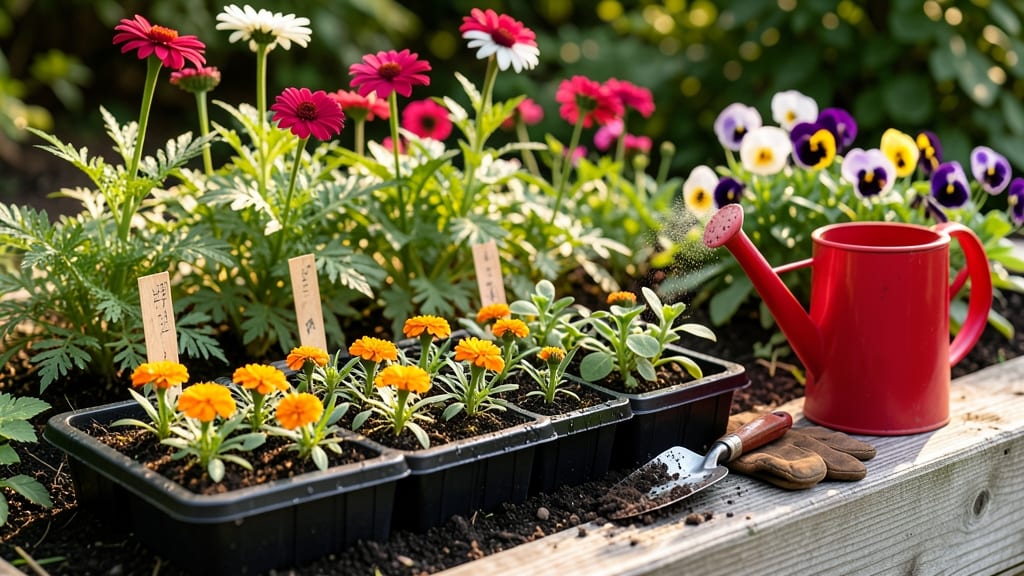
Timing your flower planting just right can mean the difference between a vibrant garden and a sad, frost-killed disappointment—so when can you plant flowers outside without risking those delicate 🌸 blooms?
If you're in USDA Zone 6a, like many gardeners across the Midwest and Northeast, the answer lies in waiting for that last frost date—typically around mid-April in most years.
Planting too early can leave your flowers vulnerable to late frosts, while waiting too long might stunt their growth before summer's heat sets in.
But here's the game-changer: not all flowers thrive on the same schedule. Some hardy varieties can handle cooler soil, while others need to wait until the ground warms to 60°F or higher.
I'll break down exactly which flowers to plant when, so you can maximize your blooms from spring through summer.
Let's dive into the perfect planting timeline for your zone, plus pro tips to extend your growing season and avoid common mistakes that even experienced gardeners make.
Best planting dates for flowers by USDA hardiness zones (with frost risk alerts)
Getting your flower planting timeline right depends entirely on your USDA hardiness zone and local frost patterns.
In Zone 6a, where many gardeners struggle with unpredictable late frosts, timing is everything—plant too early and your delicate seedlings could get fried, but wait too long and your summer blooms may never reach their full potential.
I’ve broken down the ideal planting windows for annuals, perennials, and bulbs across zones 3 through 10, including critical frost alerts and heat-sensitive varieties that need special attention.
Whether you’re in the chilly Northeast (Zone 4-5) or the balmy Southwest (Zone 8-10), these guidelines will help you avoid common mistakes and maximize your garden’s beauty.
🌱
For Zone 6a gardeners, like myself, the sweet spot is typically mid-April through early May for most annual flowers like marigolds, zinnias, and cosmos.
These varieties thrive when planted after the last average frost date, which in my area is usually around April 15—though I always double-check with my local Almanac frost calculator to be safe.
But here’s where it gets tricky: perennials and bulbs often have different rules. For example, tulips and daffodils should be planted in fall (October-November) in Zone 6a, while peony roots prefer early spring planting.
Heat-sensitive varieties like impatiens or begonias can’t handle the cold and should wait until after Memorial Day (late May) to avoid frost damage.
🌿
If you’re in a warmer zone (7-10), you’ve got more flexibility. In Zone 9, for instance, you can plant pansies or snapdragons as early as February for a winter-to-spring show, while Zone 10 gardeners can enjoy year-round planting with minimal frost concerns.
The key is matching your flower types to their ideal soil temperatures—most warm-season annuals need soil at 60°F or warmer to germinate properly.
One of my biggest mistakes early on was planting tender bulbs like dahlias too soon in Zone 6a. They need consistent warmth and will rot if the soil is still chilly. Now, I wait until late May for these guys, and my blooms are always more robust.
Similarly, coleus or sweet potatoes (yes, they’re flowers too!) should never go in before the soil hits 70°F—or they’ll sulk and refuse to grow.
✂️
To extend your planting season in colder zones, consider using season extenders like cold frames, cloches, or even a simple black plastic mulch to warm the soil faster. I’ve had great success with straw mulch around early plantings to insulate roots from temperature swings.
And if you’re worried about late frosts, keep a frost cloth handy—it’s saved my petunia seedlings more times than I can count!
Remember, these dates are general guidelines. Your microclimate—whether you’re in a valley, on a hill, or near a large body of water—can shift frost
How to check your local frost dates (even if you’re not in the US)
Knowing your local frost dates is the key to planting flowers successfully—whether you're in Zone 6a or somewhere else entirely. Frost can turn vibrant blooms into crispy remnants overnight, so timing matters.
Even if you're not in the US, these tools and tricks will help you pinpoint the safest window for planting.
Start by checking the Old Farmer's Almanac or your country's equivalent weather service. These resources provide historical frost dates based on decades of data, giving you a reliable starting point.
For example, in USDA Zone 6a, the last frost typically falls around April 15th, but your exact location might vary by 1-2 weeks.
🌱 Pro Tip: Use the National Oceanic and Atmospheric Administration (NOAA) for real-time updates. Their climate data tools let you input your zip code (or nearest city) to see 30-year averages for first and last frost dates.
- 1 Check the Almanac or NOAA for your area’s historical frost dates. These are your baseline—don’t plant before the last frost date unless your flowers are cold-hardy.
- 2 Adjust for microclimates. Low-lying areas or valleys frost earlier, while slopes or urban heat islands stay warmer. Observe your garden’s natural frost patterns over time.
- 3 Watch for frost warnings. Signs like heavy morning dew, leaf curl, or white frost on grass mean danger is near. Cover tender plants with frost cloth or move pots indoors.
- 4 Use local garden clubs for insider tips. Seasoned gardeners in your area know exactly when their pansies or marigolds survive outdoors. Join forums or attend workshops for real-time advice.
- 5 Test soil temperature with a soil thermometer. Most flowers need soil at 60°F (15°C) or warmer. If it’s cooler, wait—even if the air feels mild.
Don’t forget to account for late-season frosts, too. In Zone 6a, the first frost often hits around October 15th, but tender annuals like petunias or geraniums need to come indoors before then. Use row covers or greenhouse setups to extend their season.
If you’re unsure, start with cold-hardy flowers like pansies or snapdragons—they can handle lighter frosts and give you a head start. For heat-lovers like marigolds, wait until the soil is warm and all frost risk has passed.
🌿 Remember: Even with perfect timing, protect young plants with mulch or cloche covers during unpredictable weather. Your garden’s success depends on being one step ahead of Mother Nature!