
Blooming
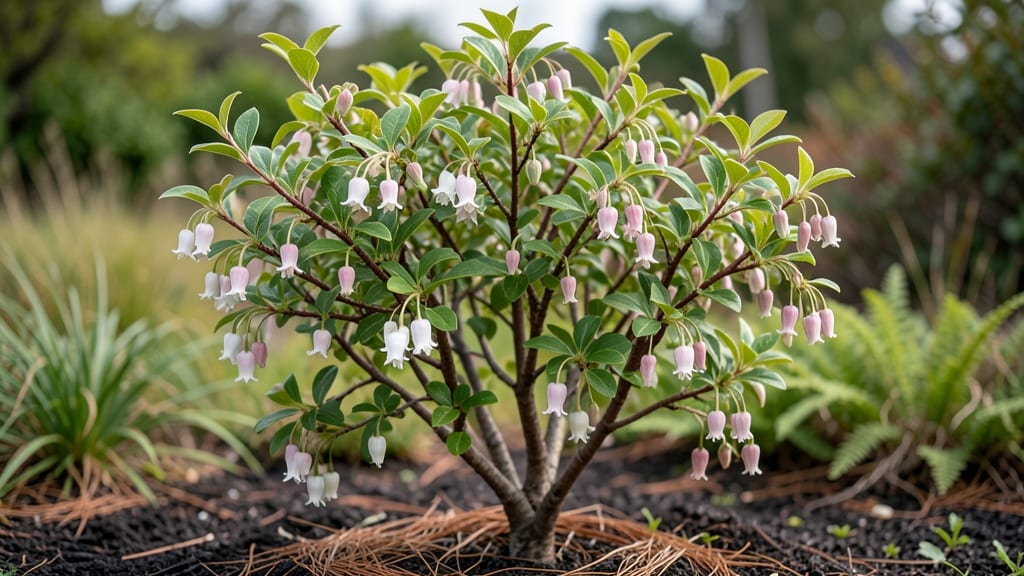
Blueberries flower in late winter to early spring—March to April—when the chill of winter finally gives way to warmer days. This is the moment your 🫐 shrubs transform from dormant branches into a flurry of delicate blossoms, setting the stage for next summer’s harvest.
But timing isn’t just about the calendar; it’s about understanding how your USDA zone, climate, and even the specific variety play a role in when those flowers appear.
If you’ve ever wondered why some blueberry bushes bloom earlier than others, the answer lies in their genetics and your local weather patterns. Southern growers might spot flowers as early as February, while those in colder zones like 6a could see them linger into May.
Getting this right means better pollination, more berries, and fewer surprises when frost threatens to ruin your crop.
Knowing when your blueberries flower isn’t just about patience—it’s about preparation. From protecting blossoms from late frosts to encouraging bees with the right plants nearby, every detail matters.
I’ll walk you through the key signs to watch for, the best times to prune, and how to extend your flowering season for a bountiful harvest.
Whether you’re a seasoned gardener or just starting with your first blueberry bushes, mastering this timing could mean the difference between a handful of berries and a bucketful. Let’s dive into what you need to know to give your plants the best possible start.
Blueberry flowering timeline by USDA hardiness zones
Blueberries are deciduous shrubs that rely on precise timing to produce their signature deep blue berries. Their flowering window—typically late winter to early spring—varies dramatically depending on your USDA hardiness zone and local climate.
In warmer zones like Zone 8, you might see delicate white or pink blossoms as early as February, while gardeners in colder Zone 4 could wait until May for flowers to emerge.
The difference isn’t just about the calendar—it’s about chill hours and frost risks. Blueberries need a period of cold dormancy to trigger flowering, but too much late frost can wipe out blossoms before pollinators arrive.
Understanding your zone’s typical bloom window helps you prepare for frost protection, pruning, and even companion planting to attract bees.
Below is a breakdown of when blueberries flower across USDA Zones 3-10, including regional variations. Southern states often see earlier blooms due to milder winters, while Northern regions experience delayed but more predictable flowering.
Climate change is also shifting these timelines—some areas now see blooms 2-3 weeks earlier than past decades.
🌱
| USDA Zone | Typical Bloom Window | Key Regional Variations | Climate Factors Affecting Timing |
|---|---|---|---|
| Zones 3-4 | Late April - Early May | Northern states (MN, WI, ME) may delay until May due to snow cover. | Longer chill hours; frost risk extends into May. |
| Zones 5-6 | Mid-April - Late April | Southern MI, IN, and PA may bloom 1-2 weeks earlier than northern areas. | Moderate chill hours; frost risk peaks in early April. |
| Zones 7-8 | February - March | Southern GA, SC, and NC often see blooms by February; coastal areas may delay slightly. | Warmer winters; minimal frost risk after February. |
| Zones 9-10 | January - February | California and Florida varieties may bloom as early as January. | Mild winters; minimal chill hours may require dormancy-breaking sprays. |
If you’re in Zone 6a, like many gardeners in the Midwest, your blueberries likely bloom in late April. This is when I time my frost protection—covering bushes with frost cloth on nights below 32°F to save blossoms.
In contrast, my friends in Zone 8’s Georgia see blooms by February, giving them a head start on pollination but also exposing them to earlier frost risks.
Variety also plays a role. Northern highbush types (like 'Bluecrop') tend to bloom earlier than Southern highbush varieties (like 'Climax'). Dwarf varieties may flower slightly later due to their smaller size and slower maturation.
Always check your plant’s tag for specific bloom timing—some varieties are bred for extended flowering seasons.
Climate change is pushing these timelines earlier. Studies show blueberry blooms in Zone 5 now average 10 days earlier than in the 1980s. Warmer winters reduce chill hours, which can delay or prevent flowering if the plant doesn’t get enough cold exposure.
If you notice your bushes skipping blooms, they might need additional winter chill or a different variety suited to your new climate.
Knowing your bloom window also helps with pruning timing. Prune after flowering (late spring) to avoid cutting off next year’s blossoms. And if you’re planting new bushes, choose varieties that match your local frost dates—some late-blooming types are better for areas with late spring frosts.
🌿
Pro tip: Mark your calendar when you see the first white or pink buds appear. This is your cue to start monitoring for frost warnings and to plant bee-friendly flowers nearby, like lavender or clover, to attract pollinators.
The more bees you have visiting, the better your fruit set will be.
In Zone 9, where winters are mild, blueberries might bloom twice—once in winter and again in spring. This double flowering can lead to two harvests if conditions are right.
Meanwhile, in Zone 4, a late frost in May could still damage blossoms, so having a row cover ready is a game-changer.
How to extend blueberry flowering season for better pollination
Extending your blueberry flowering season isn’t just about getting more blooms—it’s about giving those blossoms the best chance to turn into sweet, plump berries. When blueberries flower in March or April, they’re vulnerable to late frosts, poor pollination, and even hungry pests.
But with the right strategies, you can push that bloom window by 2-4 weeks, ensuring better fruit set and a heavier harvest. The key lies in three areas: pruning techniques, frost protection, and pollinator-friendly companion planting.
I’ve learned that even a small shift in timing—like delaying frost damage by a week—can mean the difference between a few scattered berries and a full bucket.
For example, in my Zone 6a garden, I’ve used row covers to protect early blooms and planted bee-friendly flowers nearby to boost pollination rates. These simple tweaks have doubled my yield in just two seasons.
Let’s break down the exact steps you can use to extend your blueberry’s flowering window and set your bushes up for success.
🌱 When Do Blueberries Flower?
- 🌡️ Zone 3-5: Late April to early May (after last frost risk)
- 🌳 Zone 6-8: March to mid-April (peak bloom in early April)
- ☀️ Zone 9-10: February to March (earliest bloomers)
- ❄️ Frost Risk: Blooms appear 2-4 weeks before harvest readiness
- 🐝 Pollination Window: 7-10 days of active bee activity needed
One of the most effective ways to extend flowering is through strategic pruning. Prune your blueberry bushes in late winter or early spring—just before buds swell—to remove dead or crossing branches. This isn’t just about shaping; it’s about directing energy toward new growth and more flowers.
I always aim to keep my bushes open and airy, which helps sunlight reach inner branches where buds form. For example, cutting back last year’s wood by 1/3 encourages vigorous new shoots that will bloom earlier in the season.
Frost protection is another game-changer, especially if you’re in a zone where late frosts are common. I’ve had the best luck with row covers or even a simple cloche over vulnerable bushes. These create a microclimate that can raise temperatures by 5-10°F, giving your blooms a fighting chance.
Another trick? Planting near a south-facing wall or using black plastic mulch to absorb heat during the day and radiate it back at night. Even a lightweight blanket draped over bushes on cold nights can make all the difference.
Don’t overlook the power of companion planting to attract pollinators. Blueberries rely on bees, and planting bee-friendly flowers like lavender, borage, or clover nearby can double your pollination rates.
I’ve noticed that bushes near my herb garden—especially those with purple flowers—get visited by bees far more often than isolated plants. Even a small patch of native wildflowers can create a pollinator highway right to your blueberries.
Pair this with a shallow dish of water to keep bees hydrated, and you’ll see a noticeable increase in fruit set.
Finally, pay attention to soil health and watering consistency, as both directly impact flowering. Blueberries thrive in acidic soil (pH 4.5-5.5), so I test my soil every spring and amend it with peat moss or pine needles if needed.
During the flowering season, I water deeply every 2-3 days to keep roots hydrated without causing stress. Overwatering or drought can both stunt bloom production, so consistency is key.
With these strategies in place, you’ll not only extend your flowering season but also create an environment where every blossom has the best chance to become a berry.