
Blooming
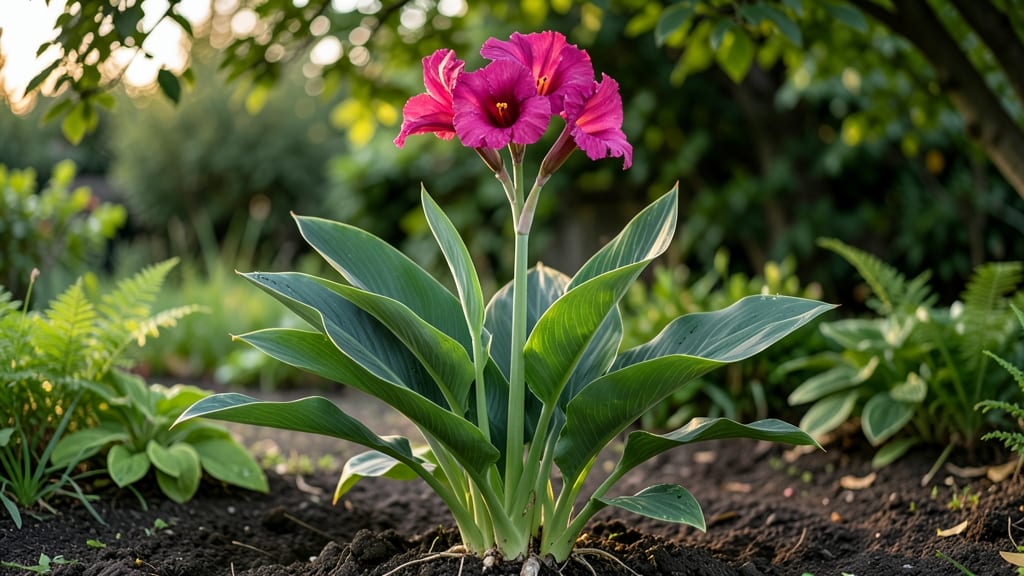
If you’re wondering when do cannas flower, the answer lies in timing—these showstopping plants need the right conditions to burst into bloom.
Your USDA zone plays a bigger role than you might think, and with a few simple adjustments, you can coax those vibrant flowers to arrive weeks earlier or last longer into fall.
For most gardeners in Zone 6a and warmer, cannas typically burst into bloom between mid-July and September, but that window shifts dramatically depending on when you plant and how much sun they soak up.
Plant too early, and you might miss the heat they crave; too late, and you’ll be left with lush foliage but no flowers.
Here’s the game-changer: with a few simple adjustments—like strategic pruning, the right fertilizer timing, and even companion planting—you can sync your cannas’ flowering schedule with your climate for a season of nonstop color.
Whether you’re dealing with short summer days or just want to maximize your garden’s impact, these insights will help you turn your cannas into the star of the show. Ready to unlock their full potential?
Canna flowering timeline by USDA heat Zones: when to expect blooms
Cannas are tropical divas that reward patience with bold, show-stopping blooms, but their flowering schedule shifts dramatically across USDA Zones 7-11. In cooler zones like Zone 7, you’ll see flowers by mid-July, while in Zone 11, blooms can start as early as May.
The key? Soil temperature—cannas need 60°F+ to trigger buds. Let’s break down the exact timeline for your zone and how to fine-tune it for maximum impact.
First, understand that cannas are heat-loving annuals in cooler climates but can be perennial in frost-free zones. Their flowering window depends on two critical factors: when you plant and your average last frost date.
For example, in Zone 8, planting in late April ensures blooms by late June, while a June planting might delay flowers until August. The earlier you plant, the sooner you’ll enjoy those tropical-colored blooms.
🌺 Pro Tip: In Zones 9-11, cannas can bloom year-round with minimal dormancy. However, a 6-week rest period in winter (even in warm zones) can actually boost next year’s blooms. This mimics their natural tropical cycle and prevents exhaustion.
| USDA Zone | Planting Window | First Blooms | Peak Blooms | Notes |
|---|---|---|---|---|
| Zone 7 | Late May - Early June | Mid-July | August - September | Treat as annual; dig up before frost. |
| Zone 8 | April - May | Late June | July - October | Can overwinter with mulch; may rebloom. |
| Zone 9 | March - April | May | June - November | Perennial; provide winter rest for best blooms. |
| Zone 10 | February - March | April | May - December | Year-round blooms possible with care. |
| Zone 11 | Year-round (best in spring) | May | June - January | Minimal dormancy needed; prune spent blooms. |
If you’re in Zone 7 or 8, early varieties like ‘Striped’ or ‘Durban’ will bloom 2-3 weeks sooner than late varieties like ‘Wyoming’. To push blooms earlier, start rhizomes indoors in March under grow lights and transplant after your last frost date.
This head start can shave off 3-4 weeks from your flowering timeline.
For Zones 9-11, the real trick is pruning. Cannas bloom on new growth, so cutting back spent stalks after each flush encourages continuous blooming. In my Zone 10 garden, I prune every 4-6 weeks and still see blooms from June through December.
Just avoid heavy pruning in winter—let them rest!
💡 Light Boost: Cannas need full sun (6+ hours) to trigger blooming. In shadier spots, they’ll focus on leafy growth instead. If your garden is partially shaded, choose dwarf varieties like ‘Pactola’, which tolerate 4-6 hours of sun but still produce smaller blooms.
Soil prep is just as critical as timing. Cannas thrive in rich, well-draining soil with a pH of 6.0-7.0. Before planting, amend your soil with compost and aged manure to provide phosphorus, which boosts flowering.
I mix in a slow-release fertilizer at planting time, then top-dress with bone meal in spring to give blooms an extra push.
Finally, watering habits can make or break your blooms. Cannas need consistent moisture, but overwatering causes bud drop. Aim for 1 inch of water per week, and always water at the base (not the leaves) to prevent fungal issues.
In Zones 10-11, reduce watering slightly in winter to mimic dry seasons
5 Proven tricks to force cannas to flower earlier (without risking frost damage)
If your cannas are throwing lush leaves but refusing to bloom, you’re not alone. These tropical beauties need the right heat triggers and nutrient cues to shift from foliage production to flower formation.
The good news? With these science-backed tricks, you can accelerate blooming by 3-4 weeks—without risking frost damage. Let’s dive into the methods that actually work.
First, strategic pruning is your secret weapon. Cannas often prioritize leaf growth over flowers when they sense stress. By pinching back the tallest stalks in early summer, you redirect energy toward flower buds.
Aim for 1/3 of the plant’s height—this mimics natural competition for sunlight and triggers the plant’s flowering response. Just avoid cutting into the rhizome itself, as this can stunt growth.
Next, fertilizer timing makes all the difference. Cannas need a phosphorus boost (the middle number in NPK) to produce flowers, but too much nitrogen (the first number) keeps them leafy. Switch to a 5-10-10 or 10-20-20 formula in mid-June and apply it every 4-6 weeks until late summer.
Organic options like bone meal or composted manure work too, but they take longer to show results.
Organic vs. Synthetic Fertilizers for Canna Blooms
- ✅ Slower release
- ✅ Improves soil health
- ✅ Less risk of burn
Best for: Long-term soil fertility
- ✅ Fast-acting results
- ✅ Precise nutrient control
- ✅ Higher phosphorus for blooms
Best for: Quick bloom acceleration
Mix both! Use synthetic for a phosphorus kick in June, then switch to organic in July to sustain blooms.
Avoid high-nitrogen fertilizers (20-10-10) after June—they’ll delay blooms and encourage more leaves.
Don’t overlook the power of sunlight optimization. Cannas need 6+ hours of direct sun daily, but they’ll also bloom earlier if you give them a morning sun advantage. Plant them where they get east-facing sun for at least 4 hours, then west-facing sun in the afternoon.
This mimics their tropical origins, where they thrive under intense but balanced light. If your garden lacks full sun, consider a reflective surface (like white gravel) nearby to bounce extra light onto the plants.
Another game-changer? Heat-loving companion plants. Pair your cannas with marigolds, lantana, or Mexican sunflower—these plants reflect heat and attract pollinators, which can stimulate earlier blooming. Avoid planting near cool-season crops like cabbage or broccoli, as they’ll compete for nutrients and slow down your cannas’ growth.
Mulch with black plastic or straw to retain soil heat, especially in Zone 6a where nights can still chill.
Finally, watering wisdom plays a subtle but critical role. Cannas need deep, infrequent watering—soak the soil 12 inches deep every 3-5 days in summer, then taper off in fall. The key is to avoid stress from drought or soggy roots, both of which can delay blooming.
Water in the early morning to prevent fungal issues, and always use well-drained soil. If your garden has clay soil, amend it with compost or perlite to improve drainage.
With these tricks, your cannas will shift from leafy greens to vibrant blooms 3-4 weeks earlier—without risking frost damage. Start with pruning and phosphorus-rich fertilizer in June, then let the sun and companions do the rest.
Before you know it, your garden will be a canna bloom paradise! 🌺