
Size
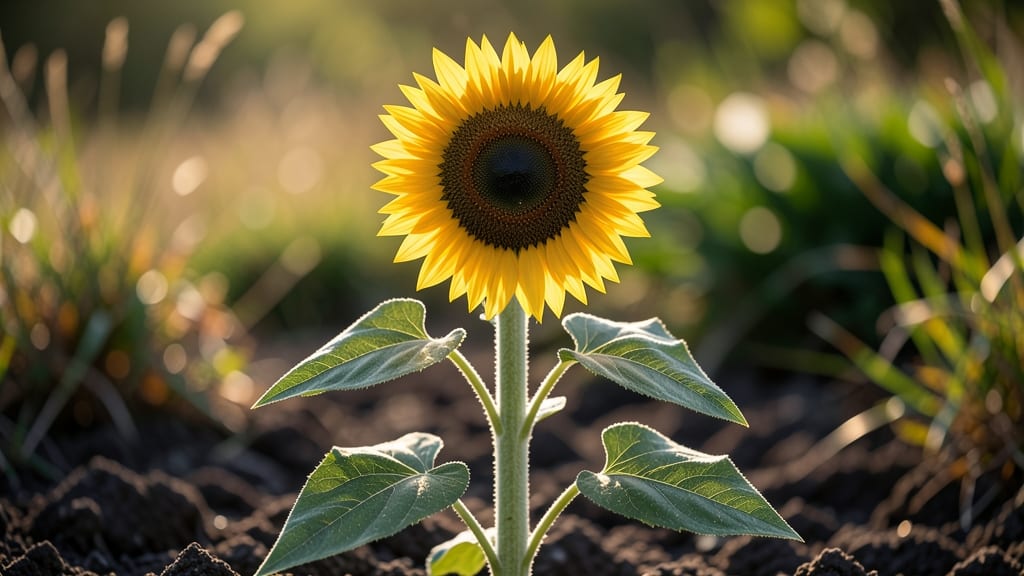
If you’ve ever wondered why your Mexican sunflower size seems to reach for the sky like a plant-sized skyscraper, you’re not alone—this vibrant beauty can grow taller than you think!
Understanding its mature size isn’t just about admiring its dramatic height; it’s the key to planning your garden layout, choosing the right support, and avoiding crowded, floppy blooms.
Most varieties of Mexican sunflowers mature between 3 and 8 feet, with some towering giants easily surpassing 6 feet in ideal conditions. But here’s the catch: their size isn’t just about height—it’s also about spread and how quickly they grow.
Whether you’re working with a small balcony or a sprawling backyard, knowing these details helps you space plants correctly and keep them thriving.
In this guide, I’ll break down everything you need to know about Mexican sunflower size—from the fastest-growing varieties to tips for controlling height through pruning and spacing.
You’ll also discover how climate, soil, and even your pruning habits can influence their final dimensions, so you can grow them exactly how you envision.
Ready to turn your garden into a vibrant display of towering blooms? Let’s dive into the specifics so you can plan with confidence—and enjoy those stunning flowers without the flop!

Mexican sunflower height growth chart: variety-specific size expectations
The Mexican sunflower (Tithonia rotundifolia) is famous for its towering presence and fiery blooms, but not all varieties reach the same heights. Some varieties like 'Torch' can dominate your garden with 8-foot stalks, while others like 'Penny' stay compact at just 3 feet.
Understanding these differences is key to planning your garden layout, especially when pairing them with shorter perennials or in containers. Below, I’ve broken down the height expectations for 8 popular varieties, including their growth habits and ideal planting scenarios.
Mexican sunflowers are fast growers, often reaching 50% of their mature height within the first 60 days of planting. However, their final size depends heavily on climate, soil fertility, and pruning. In tropical zones (USDA 9-11), these plants can grow 20-30% taller than in cooler temperate zones (USDA 6-8).
For example, 'Maxima' may hit 10 feet in Florida but only 7 feet in New York. Always adjust spacing and support based on your local growing conditions.
Here’s a quick reference for how these varieties compare in terms of height, spread, and blooming season. This summary-table will help you visualize their mature sizes and plan your garden accordingly.
| Variety | Mature Height (ft) | Spread (ft) | Bloom Season | Growth Habit | Best For |
|---|---|---|---|---|---|
| 'Torch' | 8-10 | 2-3 | Summer-Fall | Tall, upright | Cut flowers, back borders |
| 'State Fair' | 6-8 | 1.5-2.5 | Summer-Fall | Medium, bushy | Pollinator gardens, borders |
| 'Maxima' | 7-9 | 2-3 | Summer-Fall | Tall, sturdy | Drought-tolerant landscapes |
| 'Penny' | 3-4 | 1-2 | Summer-Fall | Compact, bushy | Containers, small gardens |
| 'Mexican Sun' | 4-6 | 1.5-2 | Summer-Fall | Medium, branching | Cut flowers, pollinators |
| 'Dwarf Sun' |
How to control Mexican sunflower size: pruning, spacing, and support tipsIf your Mexican sunflowers are reaching for the sky like towering skyscrapers, you’re not alone—these plants can grow 6 to 8 feet tall with the right conditions! But with the right techniques, you can manage their size to fit your garden perfectly. The key lies in three areas: pruning, spacing, and support structures. These methods help prevent flopping stems, encourage bushier growth, and keep your plants looking their best all season long. Start by understanding that Mexican sunflowers grow quickly, often shooting up 1–2 feet per month in ideal conditions. Without intervention, their stems can become top-heavy and floppy, especially in windy areas. The good news? With a few simple adjustments, you can control their height, spread, and overall structure while still enjoying those stunning orange and yellow blooms. Here’s how to take control of your Mexican sunflower size with a clear, step-by-step approach:
Step 1: Choose the Right Spacing
Plant your Mexican sunflowers 3–6 feet apart, depending on the variety. Dwarf varieties (like 'Torch') need 3 feet of space, while taller types (like 'State Fair') require 5–6 feet to prevent overcrowding. This ensures each plant gets enough sunlight and airflow, reducing the risk of disease and encouraging stronger stems.
Step 2: Prune for Bushier Growth
To encourage a fuller, bushier plant, pinch back the top 2–3 inches of new growth when the plant reaches 12–18 inches tall. This prompts the plant to branch out, creating more flowering stems. For established plants, trim back 1/3 of the height in early spring to promote new growth and prevent legginess.
Step 3: Add Support Early
Insert stakes or cages at planting time to prevent flopping. Use 3–4 foot bamboo stakes for shorter varieties or tall tomato cages for giants. Secure the main stem loosely to the support with soft plant ties to avoid damaging the stem as it grows.
Step 4: Deadhead Regularly
Remove spent blooms by cutting the stem just above a set of leaves. This redirects the plant’s energy into producing new flowers instead of seed heads, keeping your plant blooming longer and preventing it from becoming too leggy.
Step 5: Mulch for Stability
Apply a 2–3 inch layer of mulch around the base of your plants to improve soil stability and retain moisture. This helps the roots anchor the plant better, reducing the chance of wind damage and flopping stems. For multi-year plants, focus on seasonal maintenance to keep them healthy and manageable. In late fall, cut back the stems to 6–12 inches tall to encourage fresh growth in spring. This also makes it easier to protect the plant from harsh winter conditions if you’re in a colder climate. With these techniques, you’ll enjoy taller, healthier Mexican sunflowers that fit perfectly in your garden—whether you’re growing them as cut flowers, border plants, or container stars. The best part? You’ll spend less time dealing with floppy stems and more time admiring their vibrant blooms! |