
Flowers
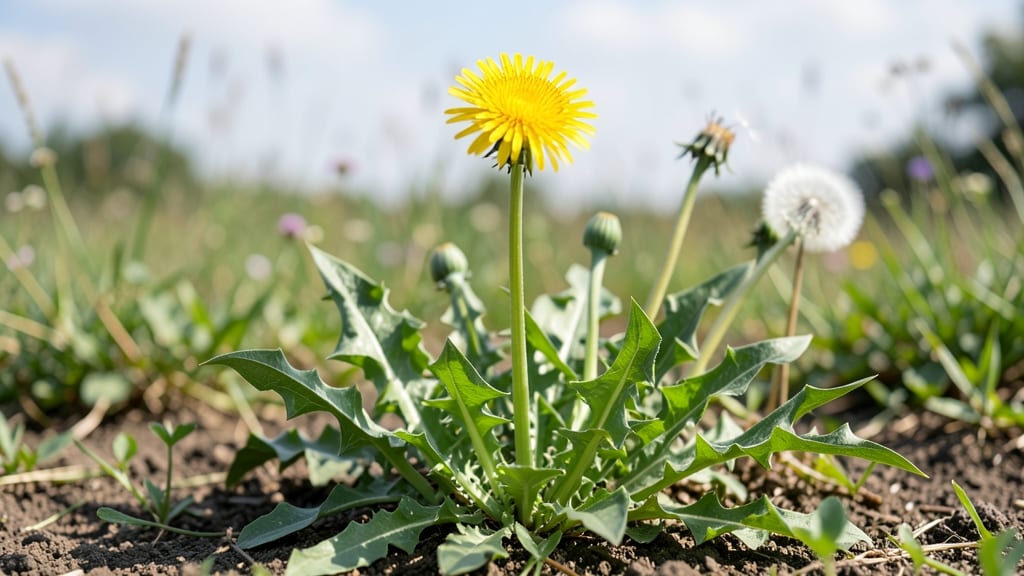
If you’ve ever spotted those cheerful yellow blooms popping up before you even know when do dandelions flower, you’ve met them in their prime. These hardy plants don’t just appear—they thrive by timing their flowers perfectly to outsmart the season.
But when exactly do dandelions flower, and what triggers their sudden takeover of sidewalks and meadows?
The answer lies in their spring strategy: dandelions in Zone 6a (like much of the U.S.) typically bloom as early as March, often before frost has fully retreated.
Their flowers unfurl when days grow longer and temperatures hover around 50°F, turning even the driest patches into a sea of 🌼. This early bloom isn’t just luck—it’s survival, ensuring they feed pollinators before other plants catch up.
What’s fascinating is how climate and sunlight dictate their schedule. In cooler regions, blooms might linger into fall, while warmer areas see them flowering nearly year-round. And here’s the kicker: dandelions don’t need perfect soil to shine—they’ll pop up in cracks, lawns, or disturbed earth, proving they’re nature’s original opportunists.
Ready to spot their first blooms? I’ll show you how to predict—and even encourage—their arrival.
Whether you’re a gardener curious about their ecological role or just tired of pulling them up, understanding their flowering cycle is the first step to working with (or against) them. Let’s dive into the science—and the secrets—behind these resilient yellow beacons.
Dandelion flowering timeline: months, climate zones, and early signs
Dandelions (Taraxacum officinale) are nature’s earliest bloomers, often popping up before your lawn even greens up. Their flowering timeline depends heavily on your USDA hardiness zone, but they typically bloom in early spring (March-April) and again in late summer or fall (September-October).
In warmer climates, you might even spot them flowering year-round. The key trigger? Daylight hours—dandelions respond to increasing light, not just temperature.
Each USDA zone shifts the flowering window by about 2-4 weeks. For example, Zone 3-5 gardeners see blooms in late April to May, while Zone 8-10 may have flowers as early as February or as late as November.
Understanding these patterns helps you time herbicide applications or even harvest young leaves before they bolt.
| USDA Zone | Primary Bloom Window | Secondary Bloom Window | Key Trigger |
|---|---|---|---|
| 3-5 | Late April – Early June | September – October | Soil temps above 40°F + 12+ daylight hours |
| 6-7 | March – April | August – September | Daylight increase after winter solstice |
| 8-10 | February – March | October – November | Consistent temps above 50°F year-round |
Spotting early signs of dandelion blooms is easier than you think. Watch for rosettes—the low-growing clusters of leaves—that start elongating into stalks (called scapes) in late winter. These stalks can grow 12-18 inches tall in just 2-3 weeks before bursting into bright yellow flowers.
In my own yard, I’ve seen stalks emerge when daylight hits 10+ hours, even if temps are still chilly.
Temperature plays a surprising role. While dandelions can handle light frosts, they won’t bloom until soil temps reach 40°F consistently. That’s why Zone 3-4 gardeners often see delayed blooms until May.
Pro tip: Use a soil thermometer to track when your yard hits this threshold—it’s a reliable predictor of when those first yellow puffs will appear.
Daylight length is the real game-changer. Dandelions are long-day plants, meaning they flower in response to increasing daylight. Once days stretch past 12 hours, they shift from leaf production to bolting (sending up flower stalks).
This explains why you’ll see spring blooms in March-April (northern zones) but year-round blooms in Zone 10, where daylight stays long.
If you’re wondering why dandelions appear suddenly, blame their deep taproots and wind-dispersed seeds. A single plant can produce 200+ seeds that lie dormant for years, waiting for the right conditions.
When spring arrives, they all germinate and bloom within weeks of each other, creating that explosive yellow carpet effect.
For gardeners in cooler climates (Zones 3-5), the fall bloom window is just as critical. After summer heat, dandelions sense shorter days and produce a second flush of flowers in September-October.
This is your last chance to pull them before frost or let them self-seed for next year’s blooms.
To predict blooms in your yard, start a 30-day observation window in late winter. Mark the first day you spot elongating stalks—this is your bloom trigger date.
In my experience, this happens 14-21 days after 10-hour daylight is reached. Use this data to time mowing or herbicide effectively, or even harvest leaves before they flower.
One common mistake? Assuming all dandelions bloom at once. In reality, they stagger their flowering—some plants bolt early, others wait weeks. This prolonged bloom cycle ensures continuous pollinator support for bees and butterflies.
If you’re trying to suppress them naturally, focus on removing stalks before they flower to break the seed cycle.
🌼
Why dandelions flower so early: survival strategies and ecological role
Dandelions don’t just appear—they strategically bloom to dominate early spring before other plants even wake up. Their yellow flowers erupt as soon as soil temperatures hit 50°F, often in March or even February in warmer zones.
This isn’t random; it’s a perfectly timed survival tactic that ensures they’re the first to feed hungry pollinators and spread their seeds before competitors arrive.
Their early blooming is tied to daylight sensitivity. Dandelions detect increasing daylight hours—a signal that winter’s grip is loosening. By flowering when bees and butterflies are still scarce, they secure a pollinator monopoly, guaranteeing successful seed production.
This ecological edge lets them outcompete slower-growing plants, turning lawns into temporary dandelion meadows before grass even greens up.
🌱 Why Dandelions Dominate Spring: Key Survival Strategies
- 1. Early Pollinator Magnet: Blooms when bees emerge, ensuring seed fertilization before competitors arrive.
- 2. Rapid Seed Dispersal: Produces 2,000+ seeds per plant, carried by wind to disturbed soil.
- 3. Cold Tolerance: Thrives in 32-50°F soil, outlasting frost-sensitive plants.
- 4. Low Soil Needs: Grows in compacted or poor soil, unlike picky perennials.
- 5. Aggressive Root System: Deep taproots access water and nutrients others miss.
🌼 Nature’s original opportunists
Dandelions also time their life cycle to exploit gaps in ecosystems. Their deep roots tap into nutrients left by winter, while their shallow rosettes soak up early sunlight. This dual strategy lets them store energy for rapid growth when other plants are still dormant.
By the time lawn grass or clover start competing, dandelions have already set seeds for next year’s takeover.
Ecologically, their early blooms play a critical role in supporting pollinator populations. Bees and butterflies rely on dandelion nectar when few other flowers are available. Without them, these insects might face early-season food shortages.
Even gardeners who despise dandelions benefit—they’re a free pollinator buffet that boosts nearby vegetable and flower gardens.
If you’ve ever wondered why dandelions seem invincible, look no further than their biological clock. They’ve evolved to hijack spring, turning lawns into temporary ecosystems where they thrive before anyone notices.
Their early blooms aren’t just pretty—they’re proof of a perfectly adapted survivor in the plant world.
Next time you spot a dandelion in February, remember: it’s not just a weed—it’s a master of early-season strategy, doing exactly what it evolved to do. And unless you’re ready to outsmart its seed dispersal tactics, you might as well enjoy the show.