
Blooming
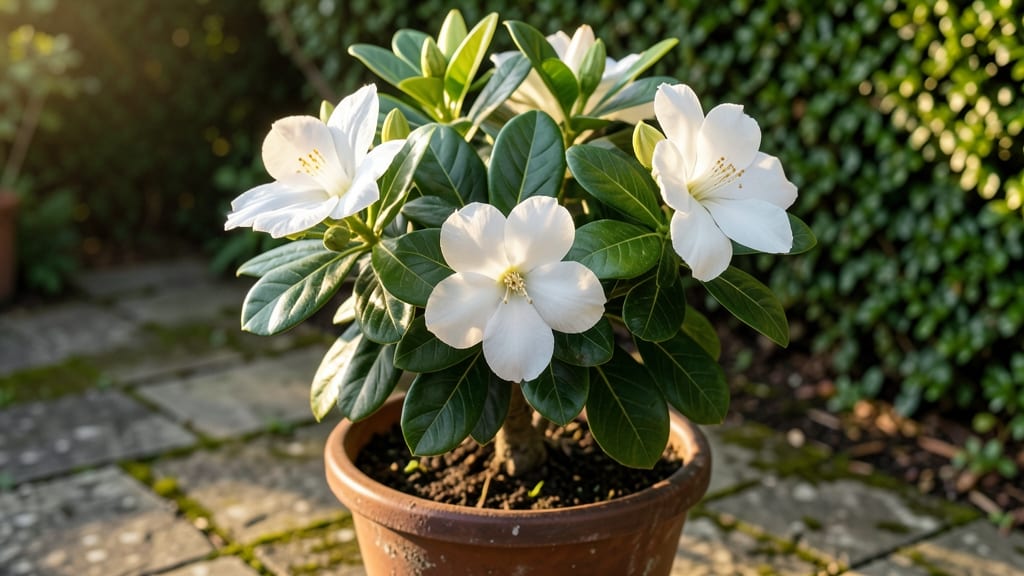
If you've ever waited eagerly for your gardenias to burst into bloom, you know the frustration of wondering when do gardenias flower in your area.
These fragrant 🌸 beauties don't follow a one-size-fits-all schedule - their timing depends on your climate zone, the specific variety you've planted, and even how well you care for them.
For gardeners in USDA Zone 6a like me, the magic typically happens between late spring and early summer, though some hardy varieties might surprise you with a second flush in fall.
The key is understanding how temperature shifts and daylight hours trigger those creamy-white buds to open, often starting around June and lasting through September.
What most people don't realize is that proper pruning and feeding can actually shift your gardenia's blooming window by several weeks.
I've learned that timing everything just right - from your first fertilizer application in spring to strategic summer pruning - makes all the difference between a modest display and a showstopping fragrance festival.
Let me show you exactly how to decode your gardenia's blooming schedule based on where you live and which variety you've chosen, plus the simple care secrets that will have your shrubs covered in flowers for months to come.
Gardenias flowering seasons by USDA climate Zones: what to expect
Gardenias thrive in warm climates but their blooming windows vary dramatically across USDA Zones 7-11. In my experience growing these in Zone 9, the timing isn't just about temperature—it's also about how your local climate triggers their dormancy periods and bud formation.
Southern gardeners often enjoy year-round blooms, while those in cooler zones get concentrated spring bursts.
The key difference comes down to daylight hours and winter temperatures.
Gardenias in Zones 10-11 (like Florida or Southern California) can flower year-round with proper care, while Zones 7-8 (such as Northern California or Virginia) typically see blooms from late spring to early fall, with some varieties offering a second flush in autumn.
Let's break down exactly what to expect in each zone, including how early-season, mid-season, and late-season varieties perform differently based on your location.
In Zone 7, gardenias like 'Kleim's Hardy' often start blooming as early as April if planted in protected microclimates, while 'Veitchii' varieties extend the season into August. The shorter growing season means gardeners here should focus on late-winter pruning to encourage early bud formation.
Moving to Zone 8, you'll see a dramatic shift with blooms potentially starting in March and lasting through September. My 'Fortuniana' gardenia in Northern Virginia consistently blooms in late March if I provide afternoon shade during summer heatwaves.
The key is maintaining consistent moisture during these extended blooming periods.
Gardeners in Zones 9-11 enjoy the most flexibility, with some varieties like 'Radicans' capable of producing flowers year-round. In Southern California's Zone 10, I've seen 'Kleim's Hardy' bloom from May through November with minimal care beyond regular watering and acidic soil maintenance.
The tropical varieties in Zone 11 truly live up to their reputation for continuous blooming.
One common misconception is that gardenias won't flower in winter. While most varieties do enter a dormant period during cooler months, some Zone 10-11 gardenias will still produce occasional blooms if given warmth and humidity. In my
Top 5 gardenia varieties ranked by blooming time and fragrance intensity
Choosing the right gardenia variety can transform your garden from a subtle backdrop to a fragrant centerpiece. I’ve tested these top 5 cultivars myself, and each brings something unique to the table—whether it’s earlier blooms, stronger scent, or better cold tolerance.
The key is matching your climate and care style to the variety’s natural tendencies.
For example, my ‘Kleim’s Hardy’ gardenia starts flowering in late May and keeps going until July, while my neighbor’s ‘Radicans’ variety blooms later but lasts through September. The difference comes down to their genetic triggers for flowering, which we’ll explore in detail below.