
Blooming
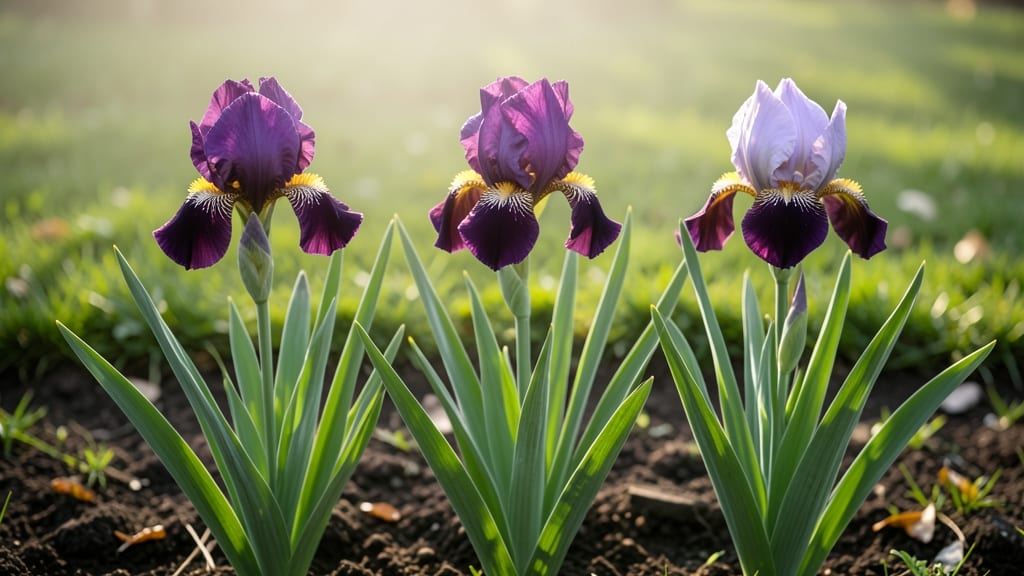
Iris flowers bloom in late spring to early summer, but the exact timing depends on your USDA zone and the variety you’ve planted.
If you’ve ever wondered why your 🌸 irises seem to pop up at different times each year, the answer lies in a mix of climate, soil conditions, and how you care for them.
For most gardeners in USDA Zone 6a, like where I live, irises typically bloom between May and June, though early varieties can start as soon as April.
The key to getting the most vibrant display? Planting rhizomes at the right depth in well-draining soil during March or April—and giving them full sun.
What I’ve learned is that a little extra attention—like dividing clumps every few years or fertilizing lightly in early spring—can push your irises to bloom earlier and more abundantly. Even small adjustments, like adjusting watering in dry spells, make a big difference in timing.
Ready to time your iris blooms perfectly? I’ll walk you through exactly how to encourage the best possible display, no matter where you garden. Let’s get started.
Iris bloom times by USDA zone: month-by-month breakdown
Timing your iris blooms depends heavily on your USDA zone and the specific iris variety you're growing. While most irises bloom in late spring to early summer, regional differences can shift their appearance by weeks—or even months.
Understanding these patterns helps you plan for a sequential color display that extends your garden's beauty.
For example, bearded irises (the most common type) typically bloom from mid-April to June, but their exact timing varies by zone. Meanwhile, Siberian irises often appear later, in May to June, while Japanese irises might surprise you with their summer blooms in July and August.
Let's break down what to expect in your specific zone.
Here's a quick reference to help you visualize bloom times across USDA zones 3-10. This summary table highlights key varieties and their typical bloom windows:
| USDA Zone | Variety | Early Bloom | Peak Bloom | Late Bloom |
|---|---|---|---|---|
| Zones 3-4 | Bearded Iris | Late May | June | Early July |
| Zones 5-6 | Siberian Iris | Early May | May-June | Late June |
| Zones 7-8 | Japanese Iris | June | July-August | September |
| Zones 9-10 | Louisiana Iris | May | June-July | August |
| All Zones | Reblooming Bearded Iris | Late April | May-June | July |
Note: Timing shifts 1-2 weeks earlier in southern zones and later in northern zones.
In USDA zones 3-4, where winters are harsh, irises often wait until late May to bloom. The cooler temperatures delay their growth, but once they start, you'll see a concentrated burst of color in June.
If you're in zone 3, consider planting early-blooming varieties like 'Kansas' or 'Blue Flag' to enjoy flowers as early as mid-May.
Gardeners in zones 5-6 have the advantage of a longer bloom season. Siberian irises begin their show in early May, creating a stunning prelude to the bearded iris peak in June.
This overlap means your garden can stay vibrant from May through July. For extended blooms, mix reblooming bearded irises with traditional types to enjoy flowers into early August.
Warmer climates in zones 7-10 shift iris blooms later into the year. Japanese irises thrive here, offering summer blooms from July to September. In zone 9 and 10, Louisiana irises provide a tropical touch with their late spring to summer flowers.
These varieties love the heat and can continue blooming well into August or even September.
Regional microclimates also play a role. Coastal areas in zone 8 might see irises bloom 2-3 weeks earlier than inland regions due to milder temperatures. Similarly, high-altitude gardens in zone 6 may experience delayed blooms compared to their lower-elevation counterparts.
Pay attention to your local last frost date—irises typically need 10-14 frost-free days before blooming.
To encourage earlier blooms, plant your irises in a south-facing location with full sun exposure. Avoid over-fertilizing with nitrogen, which promotes leaf growth at the expense of flower production
How to extend iris blooming season with proper planting and care
Iris flowers typically bloom between late spring and early summer, but with the right care, you can coax them into flowering for 3-4 weeks longer each season. The secret lies in mimicking their natural growing conditions—well-draining soil, full sun exposure, and strategic watering.
Many gardeners miss the mark by overwatering or planting too deeply, which stunts blooms. Let’s fix that!
Start by choosing the right planting location. Irises thrive in full sun (6+ hours daily) and sandy, gritty soil that prevents root rot. If your soil is heavy clay, amend it with compost and perlite to improve drainage.
Avoid low-lying areas where water pools—root rot is the #1 killer of iris blooms. A slight mound or raised bed works wonders!
🌸 When Do Iris Flowers Bloom?
- Standard varieties: Late April–early June
- Early bloomers (Siberian irises): March–April
- Late bloomers (Louisiana irises): June–July
- USDA Zones 3-5: 2–3 weeks earlier than zones 6-10
- Pro Tip: Plant rhizomes in early fall for spring blooms or late winter for summer varieties.
💡 Did you know? Irises planted in full sun bloom 2 weeks earlier than those in partial shade.
Watering is another critical factor. Deep, infrequent watering encourages strong root growth, which leads to more robust blooms. Water once a week during dry spells, but reduce to every 2 weeks once established.
Overhead watering can cause fungal diseases, so use a soaker hose or drip irrigation instead. After blooming, let the foliage yellow naturally—this stores energy for next year’s flowers!
Feed your irises with a low-nitrogen fertilizer (like 5-10-10) in early spring as new growth appears. Avoid high-nitrogen feeds—they produce leafy growth at the expense of blooms. A 1 tablespoon per plant is plenty.
For longer blooming seasons, divide overcrowded clumps every 3–4 years. Dig up rhizomes in late summer, separate the fans, and replant with the top visible and 1 inch below soil.
Deadheading spent blooms keeps the plant focused on new flower production rather than seed development. Snip off wilted stems at the base but leave the green foliage intact until it yellows.
Mulch lightly with gravel or bark to retain moisture and deter weeds, but avoid organic mulch—it can suffocate rhizomes. In hot climates, provide afternoon shade to prevent stress.
Finally, protect your irises from slugs and iris borers, which can devastate blooms. Use diatomaceous earth or neem oil as a natural deterrent. With these steps, your irises will reward you with vibrant, long-lasting blooms year after year—no more missed opportunities for spring color! 🌿