
Flowers
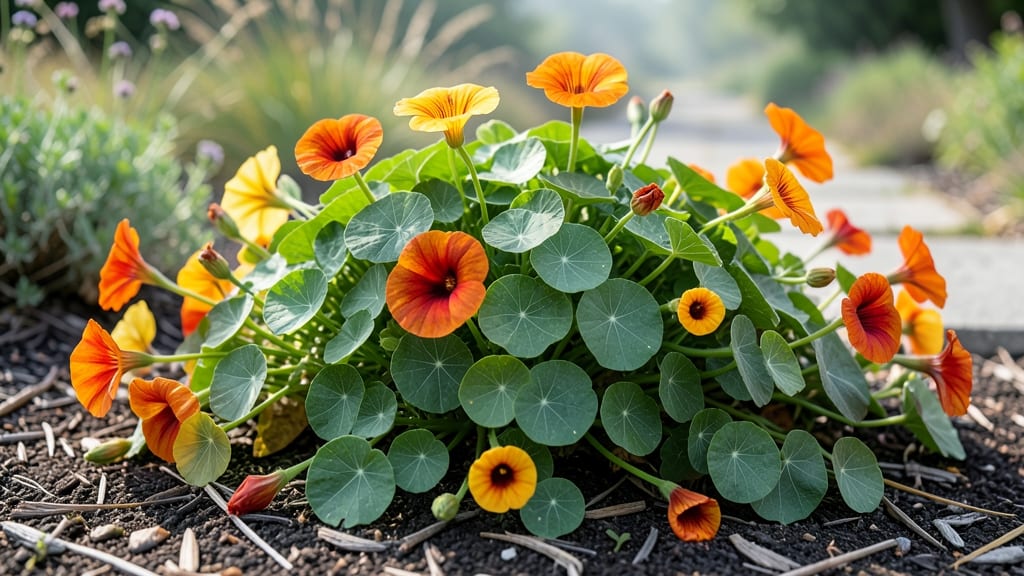
Nasturtium flowers bloom in a vibrant display that brightens up gardens from early summer through fall, but their exact timing depends on where you live and how you plant them.
If you're eager to see those cheerful 🌸 blooms as soon as possible, knowing the right window can make all the difference—especially in USDA Zone 6a where frost still lingers into spring.
Most gardeners in temperate zones spot their first nasturtium flowers around June, with peak blooming stretching through July and August. The key to unlocking this colorful show lies in planting after your last frost—typically in April or May—and giving them plenty of sun.
But here's the catch: cooler climates or late starts might push those first blooms back into July, so timing matters.
What if you want to extend that bloom time? The secret isn't just about when you plant—it's also about how you care for them. Light pruning, proper spacing, and even a little fertilizer at the right time can encourage longer-lasting flowers.
I'll show you exactly how to coax your nasturtiums into blooming earlier or later, depending on your goals.
Whether you're growing them for their edible flowers, their pest-repelling powers, or just their stunning looks, understanding these bloom patterns will help you plan your garden for a season-long display. Let's dive into the details so you can enjoy those 🌸 nasturtiums from start to finish.
Nasturtium bloom timeline by USDA hardiness Zones: when to expect flowers
Nasturtiums are one of the most versatile annual flowers in the garden, offering edible blooms and pollinator-friendly beauty. But their bloom timing varies dramatically depending on your USDA hardiness zone.
In cooler zones like Zones 1-5, frost delays planting, while warmer zones like Zones 8-11 can enjoy year-round growth. Let's break down exactly when to expect those vibrant orange, yellow, and red flowers in each zone.
Most gardeners in Zones 6-10 see their first nasturtium blooms in late May to early June, with peak flowering through July and August. However, perennial varieties in mild winter zones (like Zones 9-11) may bloom sporadically year-round.
The key difference? Frost sensitivity and planting windows shift dramatically across regions.
| USDA Zone | Planting Window | First Blooms | Peak Bloom | Notes |
|---|---|---|---|---|
| Zones 1-3 | Late May-June (after frost) | Late July-August | August-September | Short season; use containers for extension |
| Zones 4-5 | Mid-April-May | Early June-July | July-August | Frost risk in spring; protect seedlings |
| Zones 6-7 | April-May | Late May-June | June-September | Best zone for long bloom season |
| Zones 8-9 | Fall or spring | April-May or Sept-Oct | Spring & Fall | Perennial varieties possible |
| Zones 10-11 | Year-round (succession plant) | March-April, Sept-Oct | Spring & Fall | Continuous blooms with care |
In Zones 1-5, where frost lingers late, nasturtiums often bloom later in the season because gardeners wait until soil warms.
I recommend starting seeds indoors in March for a head start, then transplanting after your last frost. Container growing also extends the season—just move pots indoors before first frost in fall.
Southern gardeners in Zones 8-11 have a unique advantage: they can plant nasturtiums twice a year. A fall planting in September-October often blooms by Christmas, adding holiday cheer. Perennial varieties like Tropaeolum majus may even regrow from roots if given winter protection.
For Zones 6-7, the sweet spot for most gardeners, nasturtiums typically bloom from late May through September. The secret to prolonging blooms? Deadhead spent flowers regularly and provide well-draining soil. I've found that adding a light fertilizer in early summer keeps plants vigorous and flowering.
One common misconception is that nasturtiums need full sun all day. While they thrive with 6+ hours of sun, they tolerate partial shade, especially in hotter zones like Zones 9-11. In these areas, afternoon shade prevents heat stress and extends bloom time.
If you're in a cool climate and want earlier blooms, try succession planting every 2-3 weeks from May through July. This staggered approach ensures a continuous display of flowers. I've used this trick in Zone 5 to enjoy blooms from June through October.
Remember that temperature swings can delay blooming. In
How to adjust planting for early or late blooms: pro tips for gardeners
Want to push your nasturtium flowers to bloom earlier or extend their season into fall? The key lies in strategic planting techniques tailored to your USDA zone and microclimate.
In Zone 3, where summers are short, starting seeds indoors 6-8 weeks before your last frost date can shave weeks off your wait time. For Zones 8-11, overwintering nasturtiums as perennials lets you enjoy blooms year-round with minimal effort.
Container growing is another game-changer. By moving pots to sunnier spots or sheltered areas, you can create microclimates that trick plants into thinking spring arrived early—or that fall isn't coming.
I've used this trick to get June blooms in Zone 5 by planting in black containers that absorb heat. The secret? Succession planting every 2-3 weeks ensures a continuous display.
Here’s how to manipulate bloom times with precision:
- 1
- 2
- 3
- 4
For late bloomers, focus on pruning techniques. Pinch back leggy stems to encourage bushier growth and more flowers. I’ve seen July plantings in Zone 7 produce vibrant blooms by September when given consistent moisture and afternoon shade during heatwaves.
The trick is balancing sun exposure and water stress—too much of either delays flowering.
Don’t overlook soil temperature either. Nasturtium seeds germinate best in soil above 50°F. In cooler zones, use black plastic mulch to warm the soil faster. I’ve had 3-week earlier blooms in Zone 4 by combining this with row covers after planting. The result? June flowers instead of July!
Pro tip: Mix dwarf varieties like 'Tumbling Waters' with taller types for layered blooms. This creates visual interest while maximizing your garden’s potential. With these strategies, you can enjoy nasturtium flowers from May to October—no matter your zone! 🌸