
Blooming
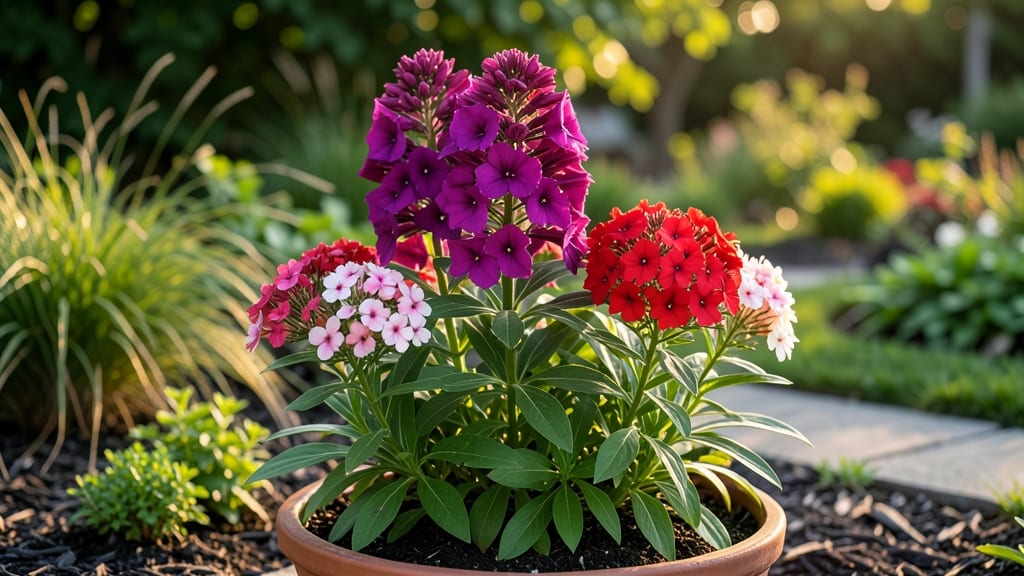
Phlox bloom timing by USDA Zone: exact months for gardeners
Phlox is one of the most beloved garden flowers, offering fragrant clusters in vibrant colors. But when exactly will your phlox bloom? The answer varies dramatically by USDA zone and phlox type.
Whether you grow tall garden phlox, creeping phlox, or woodland phlox, understanding these timelines helps you plan for season-long color. Let’s break down the bloom windows by zone so you can enjoy phlox from early summer to fall.
Most gardeners focus on three phlox types: Phlox paniculata (tall garden phlox), Phlox subulata (creeping phlox), and Phlox divaricata (woodland phlox). Each has distinct bloom times. For example, creeping phlox often flowers earlier than its taller cousins, while tall garden phlox provides late-season blooms.
Knowing these differences lets you create a staggered bloom display that keeps your garden vibrant all season.
Your USDA zone is the biggest factor in bloom timing. Cooler northern zones (like USDA Zone 3-5) see phlox blooms 2-4 weeks later than warmer southern zones (like Zone 8-10).
For instance, in Zone 5, tall garden phlox might bloom in late June to August, while in Zone 9, it could start as early as May. Let’s dive into the specifics so you can plan your garden like a pro.
| USDA Zone | Phlox Type | Early Bloom | Peak Bloom | Late Bloom | Notes |
|---|---|---|---|---|---|
| Zone 3-4 | Creeping Phlox | Late May | June | Early July | Cold-hardy; mulch for winter. |
| Zone 3-4 | Tall Garden Phlox | Late June | July | Early August | Needs staking in windy areas. |
| Zone 5-6 | Creeping Phlox | Early May | May-June | Late June | Reblooms with deadheading. |
| Zone 5-6 | Tall Garden Phlox | Early June | June-July | August | Cut back after first bloom. |
| Zone 7-8 | Creeping Phlox | April | April-May | June | Early bloomer; great for slopes. |
| Zone 7-8 | Tall Garden Phlox | May | June-July | September | Long bloom season with care. |
| Zone 9-10 | Creeping Phlox | March | March-A
How to extend phlox blooming season: pro tips for longer flowersIf you’ve ever watched your phlox blooms fade too quickly, don’t worry—there are proven ways to stretch that vibrant display. By adjusting soil nutrients, practicing deadheading techniques, and choosing the right companion plants, you can coax phlox into reblooming or even flowering earlier in spring. The secret lies in understanding how these plants respond to care, not just their natural bloom cycles. Most garden phlox (Phlox paniculata) and creeping phlox (Phlox subulata) follow a predictable bloom window, but with the right interventions, you can push those timelines. For example, a simple late-summer pruning can encourage a second flush of flowers in fall, while early spring fertilization jumpstarts growth. Let’s explore the most effective strategies to keep your phlox garden in full bloom for weeks longer. 🌸 5 Pro Tips to Extend Phlox Blooming Season
One of the easiest ways to extend your phlox season is through deadheading. As soon as a flower cluster fades, use clean pruning shears to cut the stem just above the first set of leaves. This removes spent blooms and signals the plant to produce new buds. I’ve found that weekly deadheading during peak bloom can add 3-4 extra weeks of vibrant flowers—especially for tall garden phlox varieties. For those who want earlier blooms, focus on soil preparation in late winter. Work in aged compost and a slow-release fertilizer like 10-10-10 to give roots a nutrient boost. In colder zones (USDA 3-5), consider a light mulch of straw to protect roots and encourage faster spring growth. This simple step can shift bloom times by 2-3 weeks earlier in the season. Don’t overlook the power of companion planting to support phlox health. Pair your phlox with catmint or bee balm, which attract pollinators that boost flower production. Avoid planting near mint or lamium, as they can spread aggressively and compete for nutrients. The right neighbors can create a thriving ecosystem that keeps your phlox blooming longer and more abundantly. If you’re in a hotter climate (USDA 8-10), shade cloth can help prevent early wilting. Light shade during peak afternoon sun preserves moisture and extends bloom life. For reblooming perennial phlox, a mid-summer trim back to 6-8 inches often triggers a second flush of flowers in late summer or early fall—just don’t cut too late, or you’ll delay next year’s blooms. Remember, the key to longer phlox blooms is consistency. Combine regular deadheading, proper fertilization, and smart pruning for the most dramatic results. With these techniques, you’ll enjoy phlox blooms from late spring through early fall—turning your garden into a nonstop floral show! 🌷 |