
Blooming
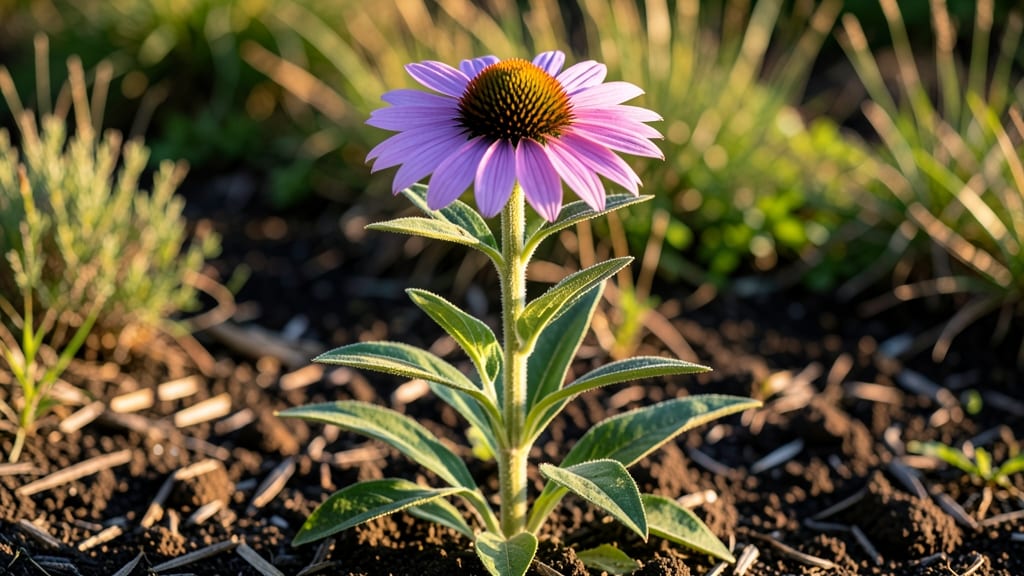
If you’re eager to see those vibrant 🌼 Purple Coneflowers light up your garden, timing is everything—and it all starts with knowing exactly when they bloom.
These hardy perennials typically burst into color from mid-to-late summer, but the exact months depend on your USDA zone, planting window, and even local climate quirks.
For most gardeners in Zone 6a (like me!), the show begins around July, peaking in August before fading into early fall.
But if you’re in warmer zones like 8 or 9, you might catch early blooms as soon as June, while cooler zones like 4 or 5 could see their first flowers stretching into September. The key?
Planting in early spring or late summer sets the stage for this stunning display.
What I’ve learned is that a few simple care tricks—like deadheading spent blooms or giving them a light feed in early summer—can extend their show by weeks. Whether you’re a pollinator enthusiast or just love their cheerful purple petals, understanding these patterns ensures you’ll never miss their peak.
Let’s dive into the exact timeline and tips to make your Purple Coneflowers bloom longer and brighter.
Ready to transform your garden into a buzzing hub of color? I’ll walk you through the month-by-month schedule, zone-specific adjustments, and pro secrets to keep those blooms coming all season long. Your garden’s summer highlight awaits!
Purple coneflower bloom schedule by USDA Zone: exact months for peak flowers
Timing your garden’s purple coneflower blooms starts with knowing your USDA Zone. These hardy perennials thrive across Zones 3-9, but their bloom windows shift dramatically depending on climate.
Whether you’re in the frosty Upper Midwest (Zone 4) or the mild Deep South (Zone 9), understanding these patterns ensures you never miss their vibrant purple displays. Let’s break down the exact months for peak blooms, including early, mid, and late-season variations.
In cooler northern zones (3-5), purple coneflowers often wait until late June or July for their first flush of blooms, while warmer southern zones (7-9) may see flowers as early as May. The key difference? Frost dates and daylight hours trigger blooming, not just temperature.
For example, Zone 6 gardens might experience two bloom cycles: one in July-August and a smaller flush in fall if conditions permit.
Here’s the month-by-month breakdown you’ve been waiting for, tailored to your zone:
| USDA Zone | Bloom Start | Peak Bloom | Bloom End | Duration | Notes |
|---|---|---|---|---|---|
| 3-4 | Late June | July-August | Early September | 8-10 weeks | First-year blooms rare; robust second-year displays |
| 5 | Early June | July-August | Late September | 10-12 weeks | Possible fall rebloom with deadheading |
| 6 | Mid-May | June-July | October | 14-16 weeks | Longest bloom season; staggered varieties extend display |
| 7 | April-May | May-July | November | 16-20 weeks | Early bloomers like 'Green Envy' thrive here |
| 8-9 | March-April | April-June | December (staggered) | 20-24 weeks | Year-round growth possible; minimal winter dormancy |
Notice how Zone 8-9 gardens enjoy the longest bloom seasons? That’s because milder winters and extended growing seasons allow purple coneflowers to push blooms into fall and even winter in some cases.
Meanwhile, Zone 3-4 growers often see their first reliable blooms in the second year after planting, as the plant focuses on root establishment.
If you’re in Zone 5 or 6, you’ll likely see two distinct bloom cycles: the primary flush in mid-summer and a secondary, smaller display in early fall.
This makes them perfect for cut flower gardens or pollinator-friendly landscapes, as they provide continuous nectar for bees and butterflies over months. To maximize this, plant early, mid, and late-season varieties together for a non-stop color show.
For Zone 7 and warmer, the early start means you can extend blooms into holiday seasons. Imagine purple coneflowers gracing your Thanksgiving table arrangements—that’s the power of strategic planting!
In these zones, deadheading spent blooms can trigger reblooming well into November or December, depending on your microclimate.
One common misconception is that purple coneflowers bloom only once per year. While many gardeners see the main summer display, with the right care—like pruning back ⅓ of stems after the first bloom—you can coax a second, smaller flush in late summer or fall.
This technique works best in Zones 5-9, where the growing season lingers long enough for the plant to recover and rebloom.
Pro tip: Use this bloom schedule to time your seed collection too! The dried cones that follow blooms are a goldmine for pollinators and easy to save for next year’s garden.
In cooler zones (3-5), aim to collect seeds by September, while warmer zones (7-9) can harvest well into November.
Now that you know the exact months for purple coneflower blooms in your
How to extend purple coneflower blooms: pruning, deadheading, and seasonal care tips
Want your Purple Coneflowers to bloom longer and brighter? The secret lies in strategic pruning and deadheading—two simple techniques that can extend your garden’s show by 4-6 weeks.
These perennials naturally bloom from mid-summer to early fall, but with the right care, you can coax them into producing a second flush of flowers later in the season. I’ve found that timing is everything, especially when it comes to cutting back stems or removing spent blooms.
First, let’s tackle the most common mistake: waiting too long to deadhead. Many gardeners assume they should remove faded blooms only after they’ve fully browned, but this actually shortens the bloom season.
Instead, snip off the spent flowers as soon as their petals wilt, leaving about 2 inches of stem. This redirects the plant’s energy toward producing new buds rather than seed heads.
For me, this simple step has added 3-4 extra weeks of vibrant blooms in my Zone 6a garden.
Here’s the numbered-highlights breakdown of when and how to prune for maximum impact:
- 🌱 Deadhead immediately after petals wilt (don’t wait for brown cones). Use clean bypass pruners to avoid crushing stems.
- ✂️ Prune back ⅓ of stems in early July (Zones 5-7) to encourage a second bloom cycle by late summer.
- 💧 Water deeply after pruning (1 inch per week) to help plants recover and produce new growth.
- 🌿 Avoid high-phosphorus fertilizer—it promotes leafy growth over blooms. Use a low-phosphorus feed (5-10-10) in early summer instead.
- 🌡️ Mulch in fall (Zones 3-5) to protect roots and extend next year’s blooms by 2-3 weeks.
Another game-changer is understanding your USDA zone’s unique timeline. In warmer zones like 8 or 9, Purple Coneflowers often bloom earlier and longer, sometimes stretching into October.
That’s why I adjust my pruning schedule for my Zone 6a plants: I cut back stems in early July to trigger a late-summer rebloom, but I’d avoid this in Zone 9, where the plants are already pushing new growth naturally.
When it comes to fertilizer, timing matters just as much as the type. I’ve learned that a light feed in early June with a balanced 5-10-10 formula encourages robust stems, while a second feed in July supports the second flush of blooms.
However, skip fertilizing after mid-August, as this can stimulate tender new growth that won’t survive frost in cooler zones.
Finally, don’t overlook the power of mulching. A 2-3 inch layer of organic mulch in early spring helps regulate soil temperature and retains moisture, which is crucial for established plants that are drought-tolerant but hate soggy roots.
In my garden, mulching has reduced my watering needs by 30% while keeping the blooms vibrant well into September.
With these simple strategies, your Purple Coneflowers can become the star of your garden from July through October, attracting pollinators and adding color long after other summer blooms have faded.
The key is consistency—prune early, deadhead often, and feed wisely. Your garden will thank you with a longer, more abundant display every year! 🌼