
Plants
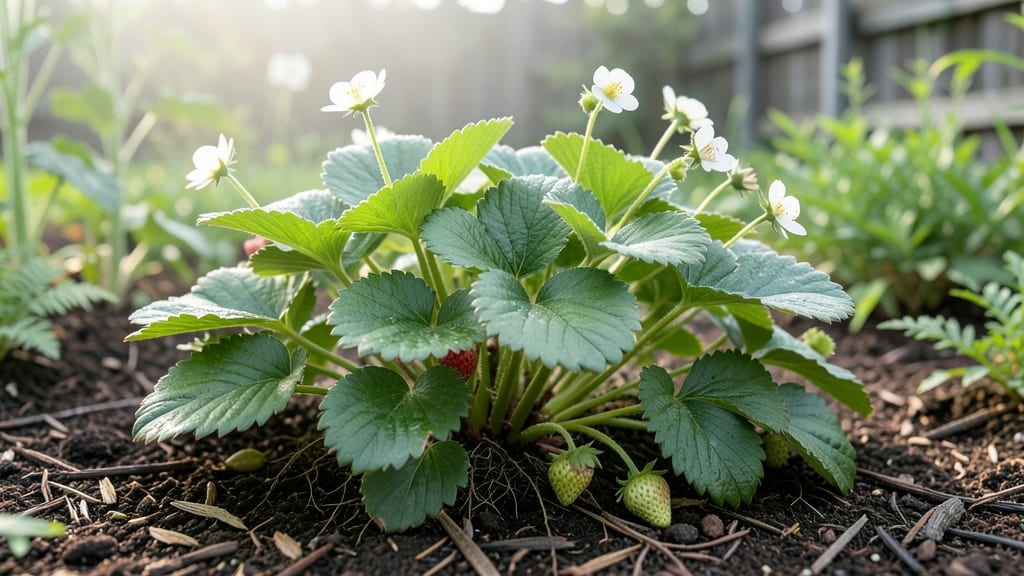
If you’ve ever wondered why your 🍓 strawberry plants seem to bloom at different times—or why some varieties produce flowers while others just sit there—you’re not alone. The answer lies in understanding their natural rhythms, which are influenced by variety, climate, and even daylight hours.
Strawberry plants typically flower in spring, but the exact timing depends on whether you’ve planted June-bearing, everbearing, or day-neutral varieties. June-bearing types, for example, send up their first blooms in early spring, while everbearing varieties may produce multiple flushes throughout the season.
In Zone 6a, like many home gardens, you can expect the first signs of flowers as early as March, especially if temperatures are mild.
Recognizing when your strawberries are ready to flower is half the battle—and it’s easier than you think. Look for small white or pink buds forming at the base of the leaves, a sure sign that blooms are on the way.
But here’s the catch: cold snaps or too much shade can delay flowering, so knowing how to encourage healthy growth makes all the difference.
In this guide, I’ll break down the flowering timeline by variety, share climate-specific tips, and show you how to create the perfect conditions for a bountiful harvest. Whether you’re a first-time grower or a seasoned gardener, these insights will help you anticipate—and support—your strawberries’ natural cycle.
Strawberry flowering timeline by variety: June-bearing vs. everbearing vs. day-neutral
Choosing the right strawberry variety can transform your harvest from a single summer bounty to year-round treats. The key difference lies in their flowering patterns, which directly impact when—and how often—you’ll enjoy fresh berries.
Let’s break down the timing and expectations for each type to help you plan your garden like a pro.
June-bearing strawberries are the classic one-time bloomers, producing a massive crop in a 6-8 week window each year. Their flowering window is tightly linked to spring chilling hours, making them ideal for gardeners who want a big harvest all at once.
Everbearing varieties, on the other hand, deliver two smaller harvests—one in early summer and another in fall—thanks to their biennial flowering habit.
Day-neutral strawberries are the workhorses of the garden, producing berries continuously from spring to frost. Their flowering isn’t triggered by cold but instead responds to daylight length, making them perfect for extended harvests.
Understanding these differences will help you select varieties that align with your garden goals and climate.
If you’re growing June-bearing strawberries, mark your calendar for late April or early May when you’ll see those first white blossoms appear. These varieties are heavily dependent on winter chilling, so they won’t produce flowers without adequate cold exposure.
The harvest window is short but intense, so be prepared to pick berries daily to avoid overripe fruit.
For everbearing varieties, you’ll notice two distinct flowering periods: the first in early summer and the second in fall. The first bloom often yields smaller berries, but the fall harvest can be just as productive.
This makes them ideal for extended-season gardens where you want fresh berries well into autumn.
Day-neutral strawberries are the most forgiving when it comes to flowering timing. They’ll produce blooms as long as daylight exceeds 14 hours, which typically means spring through early fall. This makes them perfect for container gardening or greenhouse setups, where you can control their environment for year-round production.
To encourage optimal flowering, ensure your strawberries receive 6-10 hours of sunlight daily and consistent moisture. Overhead watering during bloom can damage flowers, so use a drip irrigation system or water at the base. Additionally, remove weeds and mulch heavily to protect flowers from temperature fluctuations.
Pro tip: If your June-bearing strawberries produce too many flowers at once, thin them out to 5-7 per stem. This ensures larger, higher-quality berries by preventing the plant from spreading its energy too thin.
For everbearing and day-neutral varieties, prune old leaves in early spring to redirect energy to new growth and blooms.
No matter which variety you choose, patience is key. Strawberries take about 6-8 weeks from flower to harvest, so plan accordingly. With the right variety selection and care routine, you’ll enjoy a delicious, homegrown strawberry harvest that’s the envy of the neighborhood.
Climate Zone impact on strawberry flowering: early vs. late bloomers by region
Your strawberry plants might bloom earlier in Zone 10+ than in Zone 3-5, but understanding these differences is key to maximizing your harvest. In colder regions, June-bearing varieties often wait for consistent 50°F+ temperatures before flowering, while warmer climates may see blooms as early as February.
Microclimates—like a sunny south-facing slope—can also shift flowering by 2-4 weeks compared to the average for your zone.
In cold climates (Zones 3-5), strawberries typically flower in late May to June, right after the last frost. However, early spring blooms risk frost damage, so gardeners here often use row covers or plant late-flowering varieties like 'Chandler' to avoid early frosts.
The key is to monitor soil temperatures, which should stay above 45°F for consistent blooming.
| Climate Zone | Typical Flowering Window | Key Varieties | Frost Risk |
|---|---|---|---|
| Zones 3-5 (Cold) | Late May - June | Chandler, Honeoye | High (use row covers) |
| Zones 6-9 (Temperate) | April - May | Seascape, Albion | Moderate (watch for late frosts) |
| Zones 10+ (Warm) | February - March | Camarosa, San Andreas | Low (but heat stress possible) |
In temperate zones (Zones 6-9), flowering usually kicks off in April, aligning with rising temperatures and longer daylight hours. Here, everbearing varieties like 'Seascape' produce two harvests—one in early summer and another in fall.
To encourage blooms, ensure your plants get 6-8 hours of sunlight daily and avoid over-fertilizing with nitrogen, which promotes leafy growth over flowers.
For warm climates (Zones 10+), strawberries often flower in winter or early spring, taking advantage of cooler temperatures. However, heat stress above 90°F can stunt blooms, so shade cloth or afternoon watering may help.
Varieties like 'Camarosa' thrive here, producing fruit year-round with proper care. Mulching with straw or wood chips also keeps roots cool and retains moisture.
No matter your zone, day-neutral varieties like 'Albion' are the most adaptable, flowering continuously when daylight exceeds 14 hours. This makes them ideal for container gardens or regions with unpredictable seasons.
To support flowering, always remove weeds (they compete for nutrients) and keep soil slightly acidic (pH 5.5-6.8) for optimal growth.
If your strawberries aren’t flowering on schedule, check for crowded plants or nutrient deficiencies. Thin out runners to redirect energy to blooms, and consider a balanced fertilizer like 10-10-10 in early spring. With the right conditions, your plants will reward you with abundant blooms—and delicious berries! 🌱