
Flowers
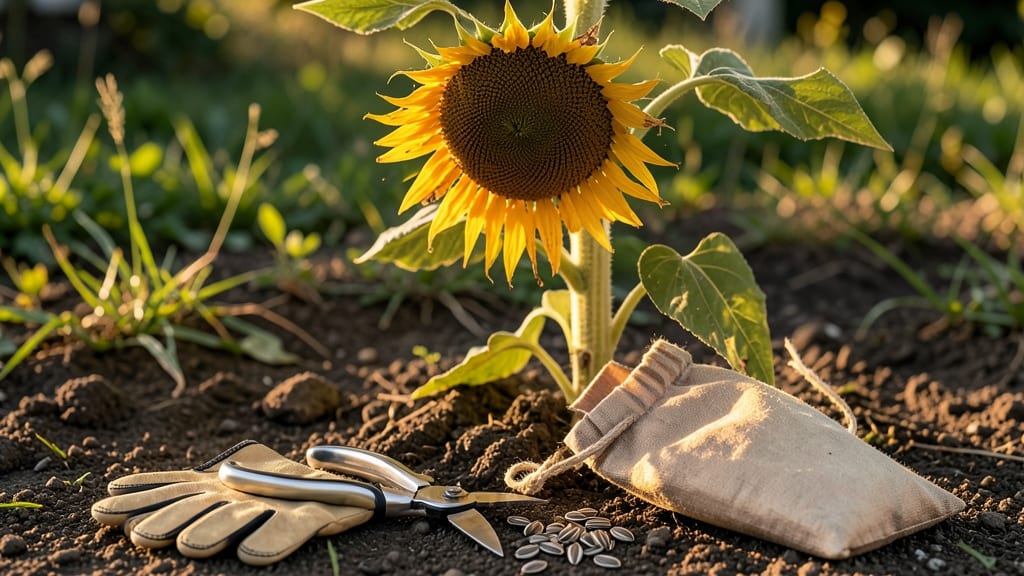
When do sunflowers produce seeds? They don’t just brighten your garden—they’re seed factories, but timing their harvest wrong means throwing away potential. If you’ve ever wondered how to spot the perfect moment, you’re in the right place.
Most varieties take 60–90 days after flowering to develop mature seeds, but knowing the difference between male and female blooms is the key to success. The female flower—the one with the bulging base—is where seeds form, while the male (tall, thin stems) provides pollen.
Miss this step, and your harvest could be a bust.
In Zone 6a, sunflowers planted after last frost (April–May) typically produce seeds by late summer, but climate and variety play a huge role. Dwarf types mature faster, while giants need more time.
I’ll walk you through the exact signs—from yellowing seed heads to that telltale rattle—to ensure you harvest at peak quality.
Ready to turn those towering 🌻 into a bountiful crop? Let’s break down the stages, common pitfalls, and pro tips to maximize your yield—no guesswork required.
How to identify male and female sunflower parts for seed production
Sunflowers may look like single flowers, but they’re actually complex structures with male and female parts that determine seed production. Understanding these differences helps you predict when seeds will form and how to maximize yield.
The male parts produce pollen, while the female parts develop into seeds after fertilization. Let’s break down how to tell them apart.
First, locate the flower head, which is actually a cluster of tiny flowers called florets. The outer ray florets are the bright petals we see, but the real action happens in the center.
The disk florets in the middle contain both male and female parts. Male florets appear first and produce pollen, while female florets develop later with seed-bearing potential.
Here’s the key visual clue: female florets have a tiny, bulbous base called the ovary, which will swell into a seed after pollination. Male florets lack this structure.
When you see florets with these small bulges, you’re looking at potential seed producers. This distinction is crucial for predicting seed development timing.
The pollen transfer process begins when male florets release pollen, which is carried by wind or insects to the female florets. Once fertilized, the ovary grows into a seed.
Not all florets will produce seeds—only those successfully pollinated and fertilized. This is why some sunflower heads yield more seeds than others.
Color changes also signal reproductive stages. Early in the season, florets may appear greenish-yellow or pale yellow. As they mature, successful female florets turn brown and develop seeds, while unsuccessful ones remain green or dry up. Watch for these shifts to gauge seed production progress.
Now, let’s compare the key differences between male and female sunflower parts in this table for quick reference:
| Feature | Male Florets | Female Florets |
|---|---|---|
| Appearance | Slender, no ovary | Bulbous base (ovary) |
| Function | Pollen producers | Seed development |
| Timing | Appear first | Develop later |
| Post-Pollination | Wither and die | Ovary swells into seed |
| Color Shift | Turns brown and dry | Turns brown with seeds |
Not all sunflowers produce seeds, even if they flower. Some varieties are bred for ornamental purposes and focus on petal size rather than seed production. Others may fail due to poor pollination, pests, or environmental stress.
If you’re growing sunflowers for seeds, choose seed-bearing varieties like Mammoth or Russian Giant, which prioritize seed development.
To encourage seed production, ensure your sunflowers receive full sun and consistent watering during their growth phase. Avoid over-fertilizing with nitrogen, as it promotes leafy growth over seed development. Instead, use a balanced fertilizer like 10-10-10 to support both flower and seed production.
Once you’ve identified the female florets and confirmed pollination, seeds typically take 60–90 days to mature after flowering. During this time, the seed head will transition from green to brown, and the seeds will become hard and dry.
This is your cue that they’re ready for harvest. Keep an eye on the back of the seed head—when it turns yellow-brown and the seeds rattle inside, they’re harvest-ready.
Understanding these parts isn’t just academic—it’s practical. By recognizing male and female florets, you can predict seed production timelines, troubleshoot why some flowers fail to set seeds, and even hand-pollinate if needed. This knowledge turns sunflower growing from guesswork into a predictable and rewarding process. 🌻
Sunflower seed development timeline: from pollination to harvest-ready seeds
Sunflower seed development begins with pollination, which typically occurs 1–2 weeks after flowering. The female flower—the one with a swollen base—develops seeds after receiving pollen from the male flower’s yellow stamens. This process kickstarts a 60–90 day journey to maturity, depending on variety and climate.
In Zone 6a, most sunflowers planted in April–May will produce seeds by late August to October. However, dwarf varieties like ‘Teddy Bear’ mature faster (50–60 days), while giants like ‘Russian Giant’ take up to 120 days.
Understanding these timelines helps you avoid harvesting too early or missing the window entirely.
🌻
| Stage | Timeframe | Key Visual Cues | Action |
|---|---|---|---|
| Pollination | 1–2 weeks post-flowering | Male flowers (tall, yellow) release pollen; female flowers (swollen base) catch it | Observe pollen transfer; no action needed |
| Seed Formation | 3–4 weeks post-pollination | Seed heads turn green; small seeds form inside | Support stems if heavy; avoid overwatering |
| Maturation | 60–90 days post-flowering | Seed head turns yellow-brown; seeds rattle when shaken | Monitor for pests; harvest when fully dry |
| Harvest-Ready | Late summer–early fall | Back of head is fully brown; petals fallen | Cut heads; dry seeds indoors |
After pollination, the female flower’s base swells into a seed head, and you’ll notice green seed pods forming within 3–4 weeks. This is when many gardeners make the mistake of harvesting too soon—green seed heads won’t produce viable seeds.
Patience is key; wait until the back of the head turns yellow-brown and the seeds rattle when shaken.
Common mistakes that delay seed production include overwatering (which causes rot) or removing male flowers prematurely (needed for pollen). Even bird activity can strip seeds before maturity. To protect your crop, cover heads with lightweight netting once they form.
Once the seed head is fully brown and dry, it’s time to harvest. Cut the head with 2–3 inches of stem and hang it upside down in a dry, dark place for 2–4 weeks to finish drying.
Store seeds in a cool, airtight container for up to 3 years—just like the pros do!
🌾