
Flowers
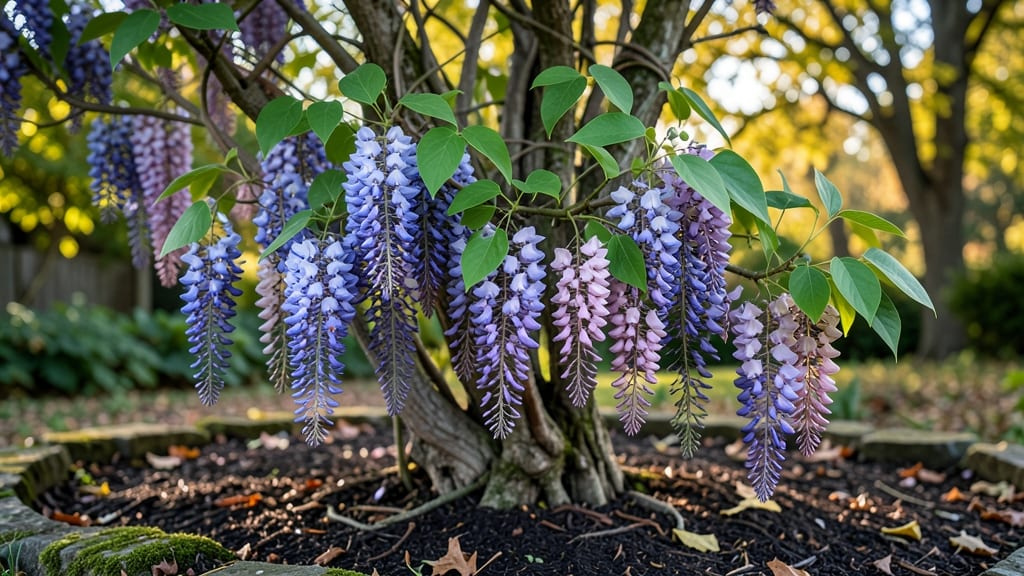
If you've ever dreamed of waking up to a garden bursting with fragrant purple-blue clouds, when do wisteria flowers bloom is the question on your mind—because timing is everything.
Wisteria 🌸 doesn’t bloom on a schedule; some varieties burst into flower as early as late April, while others linger until June, depending on where you live and how you care for them.
Understanding your wisteria's blooming window isn't just about patience—it's the key to capturing those fleeting moments of color and scent. Whether you're planning a spring photoshoot or simply want to enjoy its beauty, knowing when to expect those cascading clusters can make all the difference.
Let's break down exactly when your wisteria will put on its show, so you never miss a beat.
The secret lies in your plant's variety, your local climate, and even how you've pruned it in the past. Some wisterias bloom earlier in warmer zones, while others wait for cooler springs to trigger their flowers.
And if your plant isn't flowering yet? We'll uncover the most common reasons—and how to fix them—so you can look forward to next year's display.
From recognizing the first signs of bud swell to adjusting your care routine for peak blooms, this guide will help you become a wisteria whisperer. Get ready to transform your garden into a fragrant paradise, one perfectly timed bloom at a time.
Wisteria flowering timeline by variety: months and regional differences
Wisteria’s fragrant purple-blue blooms transform gardens into sensory masterpieces, but their timing depends heavily on the variety and climate. While most wisterias bloom in late spring, some varieties flower earlier or later—and regional differences can shift bloom windows by weeks or even months.
Understanding these patterns helps you anticipate peak fragrance, adjust pruning schedules, and even plan garden photography sessions.
In USDA Zones 6-9, where wisterias thrive, bloom times typically range from March to June. However, Southern climates often see earlier blooms (as early as February), while Northern gardens may delay flowering until May or June.
The key difference lies in chilling requirements—most wisterias need 200-600 hours below 45°F (7°C) to trigger buds, but varieties vary in their tolerance.
Below is a visual comparison of 10 popular wisteria varieties, including their typical bloom months, regional adjustments, and flower color traits. Use this as your guide to predict when your wisteria will burst into color—and how to extend its flowering season with proper care.
How to predict your wisteria’s blooming time: 5 key factors
Predicting when your wisteria will bloom isn’t about guessing—it’s about understanding your plant’s unique signals. The age of your wisteria plays a huge role: young plants (under 3 years) may produce only sparse blooms, while mature vines (5+ years) can explode with hundreds of fragrant flowers.
For example, my 5-year-old Wisteria floribunda blooms reliably in early May, but my neighbor’s 2-year-old plant is still building its flower buds.
Another critical factor is sunlight exposure. Wisterias thrive in full sun (6+ hours daily), but too much afternoon shade can delay blooming. I noticed my wisteria’s buds took 2 weeks longer to open after moving it to a partially shaded patio.
If your plant isn’t getting enough light, try relocating it to a south-facing wall or trellis for optimal growth.
- 1. Age Matters
- 2. Sunlight Exposure
- 3. Pruning History
- 4. Soil Conditions
- 5. Last Year’s Data
1. Age Matters: Young plants (under 3 years) may bloom lightly or not at all. Mature vines (5+ years) produce full, fragrant clusters.
2. Sunlight Exposure: 6+ hours of direct sun triggers blooming. Shade delays buds by 2-4 weeks.
3. Pruning History: Prune after flowering to preserve next year’s buds. Over-pruning removes old wood where flowers form.
4. Soil Conditions: Well-draining, slightly acidic soil (pH 6.0-7.0) supports healthy blooms. Amend clay soil with compost.
5. Last Year’s Data: Track bud swell timing and bloom duration. Most wisterias bloom within 1-2 weeks of their previous year’s schedule.
Your pruning history is the third big clue. Wisteria flowers bloom on old wood, meaning last year’s growth. If you prune too aggressively in winter, you risk removing next year’s flower buds.
I learned this the hard way—after pruning back my wisteria by 30% in February, it barely bloomed that spring. Always prune right after flowering to encourage new growth without sacrificing future blooms.
Don’t overlook soil conditions, either. Wisterias prefer well-draining, slightly acidic soil (pH 6.0-7.0). If your soil is heavy clay or alkaline, your plant may struggle to produce flowers.
I tested my soil and found it was too alkaline—after amending it with peat moss and sulfur, my wisteria bloomed 3 weeks earlier the following year. A simple soil test can reveal if your garden is holding back your wisteria’s potential.
Finally, last year’s bloom data is your best predictor. Most wisterias bloom within 1-2 weeks of their previous year’s schedule, assuming care stays consistent. I keep a garden journal noting when buds swell, when flowers open, and how long the display lasts.
For example, my Amethyst Falls wisteria always blooms for 3 weeks in late April, while my Royal Purple variety stretches into early June. Use this data to set reminders for pruning, fertilizing, or even planning garden parties!
By tracking these 5 factors—age, sunlight, pruning, soil, and past blooms—you’ll become a wisteria blooming expert in no time. Next spring, you’ll be the first in your neighborhood to greet those fragrant purple cascades with open arms (and maybe even a camera ready). 🌸