
Blooming
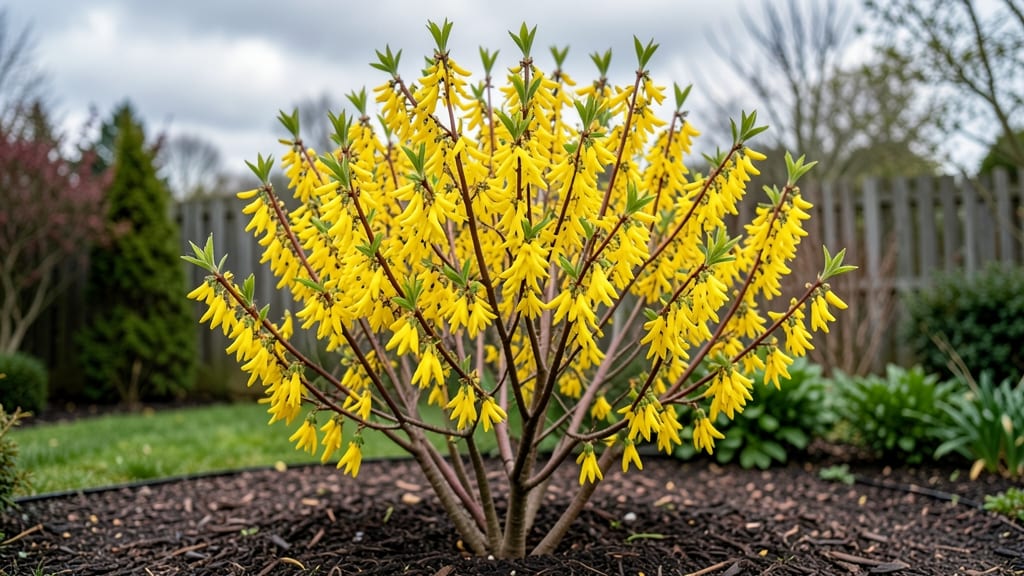
If you’ve ever spotted that first burst of bright yellow forsythia 🌸 and wondered when does the forsythia flower, you’re not alone.
The timing of forsythia blooms is one of nature’s most reliable signals that winter’s grip is loosening—and it varies more than you’d expect depending on where you live.
For gardeners in USDA Zone 6a (like much of the Midwest and Northeast), forsythia typically unfurls its cheerful blossoms between late February and early April.
But move a few hundred miles south, and you might see those same cheerful buds popping open as early as January—or delay until April in cooler microclimates.
What makes this timing so fascinating? Forsythia doesn’t just bloom when it feels like it—it responds to a perfect storm of chill hours and warming temperatures.
Understanding these cues isn’t just for plant nerds; it’s the key to pruning at the right time, fertilizing for next year’s show, and even planning your garden’s spring highlights around this unmistakable harbinger of warmer days.
Let’s break down exactly what triggers those vibrant blooms, how your local climate zone affects the schedule, and the simple steps you can take to ensure your forsythia puts on its most spectacular show year after year.
Forsythia bloom timing by USDA climate Zones: exact months revealed
Forsythia’s bright yellow blooms are the first sign that spring is on the way—but the exact timing depends entirely on your USDA climate zone. In Zone 3, you might see buds opening in early April, while Zone 9 gardeners often enjoy flowers as early as late January.
These differences aren’t random; they’re tied to chill hours and warmth triggers that vary dramatically across regions.
Microclimates—like urban heat islands or sheltered garden spots—can shift bloom times by 1-2 weeks even within the same zone. For example, a Zone 6 forsythia near a south-facing wall might bloom in mid-March, while one in a shaded area could wait until late April.
Understanding these patterns helps you time pruning, fertilize correctly, and even plan companion plants for maximum impact.
Below, I’ve broken down the peak bloom windows for each USDA zone, including early, mid, and late-season variations. Use this as your guide to anticipate when your forsythia will steal the show—and how to care for it before, during, and after the flowers fade.
Notice how Zone 9 forsythias often bloom in January, while Zone 3 plants wait until April? This dramatic shift happens because forsythia requires a specific number of chill hours (typically 500-1,000 hours below 45°F) to break dormancy.
Regions with warmer winters (like Zone 9) meet this requirement faster, triggering earlier blooms.
If you’re in Zone 5 or 6 and your forsythia blooms later than expected, check for these common delays: insufficient chill hours (like a mild winter), shaded locations, or over-fertilizing in fall, which can stimulate late growth instead of dormancy.
For gardeners in Zones 7-9, the opposite is true—too much heat in winter can prevent blooming entirely.
Pro tip: If your forsythia blooms too early (like in December), it’s often a sign of stress—perhaps from drought or poor soil drainage. Focus on improving soil moisture retention and mulching deeply in fall to protect roots during winter.
This adjustment can help sync blooms with your local peak spring window.
Once you’ve pinpointed
How temperature fluctuations trigger forsythia blooms: science behind the timing
Forsythia’s bright yellow blooms appear to magically announce spring, but the real magic happens underground—and it’s all about temperature triggers. This hardy shrub relies on a delicate balance between chill hours (cold periods that signal dormancy) and warm spells (that kickstart growth).
Without both, forsythia might skip its annual show entirely.
Think of it like a natural alarm clock: forsythia needs 600–1,000 chill hours (below 45°F) to break dormancy, followed by consistent daytime temps above 50°F to trigger bud formation.
Miss either step, and you’ll see delayed—or even absent—blooms. This explains why some years your forsythia bursts into color in February, while others it waits until April.
Here’s how the science breaks down—and how you can use it to predict (and encourage!) those cheerful blooms:
-
Step 1: Chill Hours (Dormancy)
Forsythia enters dormancy in fall and requires 600–1,000 hours below 45°F to reset its biological clock. In USDA Zone 6a, this typically happens between November and February. Without enough cold, buds may fail to form.
-
Step 2: Warm Thaw (Growth Trigger)
Once chill hours are satisfied, forsythia needs consistent daytime temps above 50°F for 5–7 days to break dormancy. A single cold snap can delay blooms by weeks—this is why erratic winters cause unpredictable timing.
-
Step 3: Bud Formation
With warmth established, forsythia’s flower buds form in late winter. These buds are highly sensitive to temperature swings—if nights dip below 32°F, buds may freeze and drop off, reducing next year’s blooms.
-
Step 4: Bloom Time
Once buds are set, forsythia blooms within 2–4 weeks of stable warm weather. In Zone 5, blooms may wait until late March–April, while Zone 8 can see flowers as early as January–February.
-
Step 5: Post-Bloom Recovery
After flowering, forsythia needs 6–8 weeks of warm weather to recover before pruning. Pruning too early can remove next year’s flower buds, which form on old wood.
Regions with unpredictable winters (like the Midwest or Pacific Northwest) often see forsythia blooms shift by 3–4 weeks from year to year. For example, in Chicago (Zone 5b), a mild winter might push blooms to late February, while a harsh one delays them until mid-April.
To predict your local timing, track chill hours using a weather station app or your local USDA climate data.
If your forsythia seems late to bloom, check for these common issues: insufficient chill hours (common in mild winters), sudden frost after buds form, or over-pruning that removes flower buds.
A light spring fertilizer (like 10-10-10) can also encourage stronger blooms if applied after flowering but before new growth.
Next time you see those cheerful yellow clusters, remember: it’s not just spring’s arrival—it’s the result of a perfect temperature dance between winter’s chill and spring’s warmth.
And with this science in hand, you’ll be the first in your neighborhood to spot (and celebrate!) those early blooms every year. 🌸