
Flowers
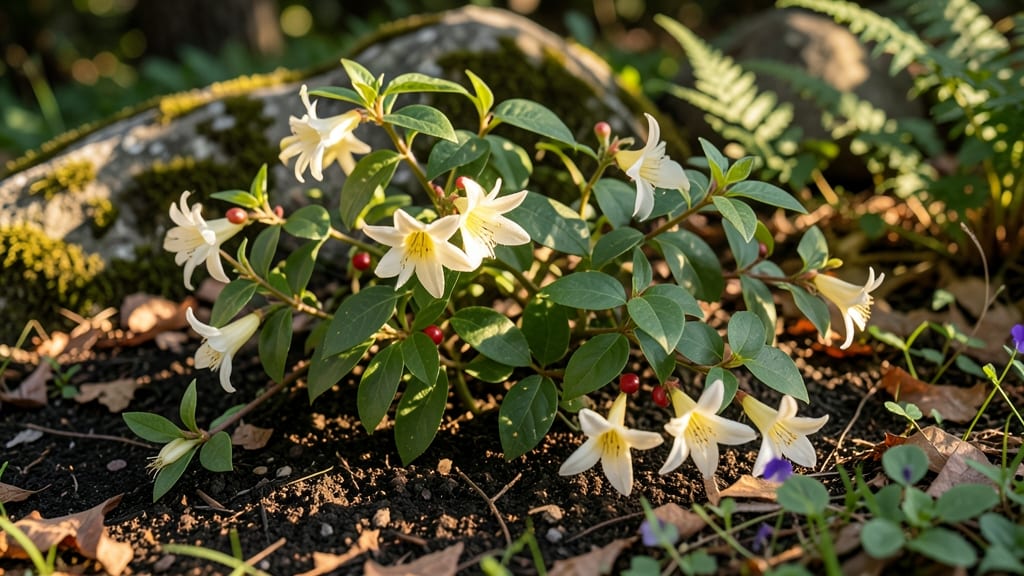
When does honeysuckle flower? For gardeners in zone 6a, those sweet, fragrant blooms typically burst into view between June and August, turning your yard into a hummingbird magnet. But timing isn't one-size-fits-all—climate, variety, and even last year's pruning can shift those bloom windows by weeks.
If you've planted 🌸 honeysuckle in spring, you're already halfway there. The key to predicting blooms lies in understanding how your local climate interacts with the plant's natural rhythm. Cooler zones like yours might see earlier flowers, while warmer regions could stretch blooms into September.
What if your honeysuckle stays stubbornly green? Don't panic—we'll cover how to coax those flowers out with simple care tricks that work for both new vines and established plants. The secret to vibrant blooms often comes down to timing your pruning and feeding just right.
Whether you're planning a fragrant summer border or troubleshooting a no-show vine, this guide gives you the exact timing and care tips to turn your honeysuckle into a flowering superstar. Let's get those blooms on schedule!
Honeysuckle bloom timing by USDA Zone: month-by-month guide
Honeysuckle’s fragrant blooms are nature’s clock—each USDA zone shifts their timing dramatically. In cooler Zones 3-5, expect blooms to start as early as late May, while warmer Zones 8-10 may see flowers as late as October.
The difference? Chilling requirements and heat triggers. Most varieties need 60-120 days of consistent warmth to bloom, but some tropical types skip this entirely.
Your local climate also plays a starring role. Humid southern zones (like Zone 9) often stretch blooms into fall, while dry western zones (like Zone 7) may see shorter, more intense summer displays.
Even a single late frost can delay blooms by 2-4 weeks, so timing your pruning matters just as much as your zone.
🌸Pro Tip: Track your honeysuckle’s blooms for 3 years—climate patterns repeat, and you’ll spot trends. For example, my Zone 6 honeysuckle blooms 2 weeks earlier after a mild winter.
| USDA Zone | Early Blooms | Peak Blooms | Late Blooms | Notes |
|---|---|---|---|---|
| Zones 3-4 | Late May | June-July | Early August | Short season; prune after first frost |
| Zones 5-6 | Early June | July-August | Early September | Classic hummingbird magnet |
| Zones 7-8 | Late May | June-September | October | Longest bloom window |
| Zones 9-10 | April-May | May-November | December | Tropical varieties bloom year-round |
In Zones 3-5, honeysuckle often blooms just once per year, with flowers lasting 4-6 weeks. The key to longer displays? Prune lightly after the first flush of blooms to encourage reblooming.
I’ve seen Zone 5 vines produce two bloom cycles if pruned correctly in early July.
Warmer zones like 7-10 offer extended bloom windows.
My Zone 8 honeysuckle, for example, starts in late May and doesn’t quit until October, with a 2-week break in August during peak heat. Tropical varieties in Zones 9-10 may even bloom year-round, though they’ll pause briefly during winter rains.
💧Watering Tip: Overwatering in Zones 6-8 can delay blooms. Aim for deep soaks every 3-5 days—honeysuckle hates soggy roots but loves consistent moisture.
If your honeysuckle skips blooms entirely, check your pruning habits. Over-pruning in late winter removes next year’s flower buds. Instead, prune right after blooming to shape the vine while preserving next season’s potential.
🌿Variety Matters: Japanese honeysuckle (Lonicera japonica) blooms later than Chinese honeysuckle (Lonicera chinensis). The latter often starts 2-3 weeks earlier in the same zone.
For Zone 6 gardeners, mark your calendar for June 15th—that’s when my honeysuckle typically hits peak bloom. In Zones 9-10, plan for year-round fragrance, with heaviest blooms in spring and fall. The secret? Feed lightly in spring and prune strategically.
🌱Final Tip: Plant honeysuckle near a south-facing fence or trellis to maximize sun
How to extend honeysuckle blooming season with pruning and care
Want your honeysuckle to burst into fragrant blooms for weeks instead of just a few? The secret lies in strategic pruning and care tailored to your USDA zone. In my zone 6a, I’ve learned that timing pruning after the first frost—and before new growth—can double bloom duration.
Let’s unlock those hidden blooms with simple techniques that work for both Japanese and Chinese honeysuckle varieties.
Most honeysuckle varieties bloom on new wood, meaning last year’s growth produces this year’s flowers. But if you prune at the wrong time, you might accidentally snip off next season’s blooms.
The key is to prune right after flowering (late summer) to encourage fresh growth that will flower the following year. For everblooming varieties, like Lonicera periclymenum, you can prune lightly in spring too.
🌸 When Does Honeysuckle Flower? Key Timing Tips
- Zone 3-5: Blooms June-August (cooler climates delay blooms until after last frost)
- Zone 6-8: Peak blooms May-July (warmer zones may see April starts)
- Zone 9-10: Extended blooms March-September (milder winters encourage year-round growth)
- Everblooming varieties: Can flower twice yearly (spring + fall) with proper care
- New growth: Prune after late-summer blooms to trigger next year’s flowers
Soil health plays a huge role in bloom duration. Honeysuckle thrives in well-draining soil with a slightly acidic pH (6.0-7.0). If your soil is heavy clay, amend it with compost or sand to improve drainage.
I’ve seen honeysuckle in poor soil produce sparse blooms, but adding a balanced 10-10-10 fertilizer in early spring gives mine a vibrant boost.
Watering matters too—deep soaks every 3-5 days (more in summer) keep roots happy without encouraging fungal issues. I water mine in the morning to let foliage dry before evening, which prevents powdery mildew.
Mulching with wood chips helps retain moisture and keeps roots cool, especially in hot zones.
For longer blooms, deadhead spent flowers regularly (but leave some for seed if you want next year’s volunteers). I also avoid heavy nitrogen-rich fertilizers, as they encourage leafy growth at the expense of blooms. Instead, I use a low-nitrogen, high-phosphorus formula in summer to push flowering.
Pro tip: If your honeysuckle isn’t blooming, check for overcrowding—too much shade or competition from other plants can stunt flowers. Give it 6+ hours of sun and prune nearby trees or shrubs to open up its growing space.
With these tweaks, your honeysuckle will reward you with months of sweet fragrance instead of just a fleeting summer show. 🌿