
Flowers
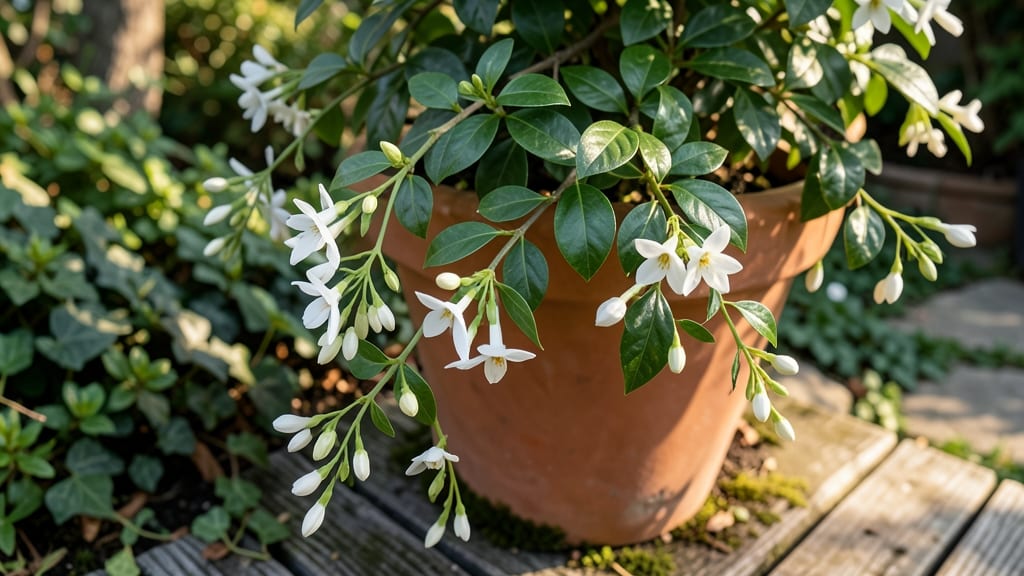
Jasmine bloom seasons by climate zone: when to expect fragrance
Timing your jasmine's fragrance is all about understanding your USDA climate zone and the specific variety you're growing. Most jasmines bloom in late spring to summer, but some varieties defy expectations with winter or fall fragrance bursts.
The key factors? Temperature triggers, daylight hours, and even dormancy periods in colder zones. Let's break down when to expect those intoxicating blooms across America's diverse growing regions.
In USDA zones 9-11, where winters are mild, you'll often see year-round blooming with peak fragrance in spring and fall. But gardeners in zones 3-7 face a different challenge: frost sensitivity means most varieties need warmth to trigger buds.
Even Winter Jasmine (Jasminum nudifolium) surprises with its yellow winter blooms—a rare exception that thrives in colder climates.
| USDA Zone | Primary Bloom Season | Key Varieties | Temperature Trigger | Fragrance Peak |
|---|---|---|---|---|
| 3-5 | Late May - June | Winter Jasmine, Primrose Jasmine | 55°F+ consistently | Evening hours |
| 6-7 | June - July | Arabian Jasmine, Common Jasmine | 60°F+ for 2 weeks | Late afternoon |
| 8-9 | April - May & Sept-Oct | Sambac Jasmine, Pink Jasmine | 50°F+ night temps | Early morning |
| 10-11 | Year-round (peaks spring/fall) | Star Jasmine, Grandiflorum | No cold requirement | Dusk to dawn |
Notice how Sambac Jasmine (the "Queen of the Night") in zones 8-11 produces its most intense fragrance at dusk, while Arabian Jasmine peaks later in the day.
This timing difference explains why some gardeners in zone 7 miss the evening scent if they're not home—even though the flowers are open! The temperature triggers also explain why Winter Jasmine blooms in January-February in colder zones: it needs cold dormancy to reset its growth cycle.
Sunlight plays a surprising role too. Most jasmines need 6+ hours of sun to set buds, but too much afternoon sun in hot zones (9-11) can stress plants, reducing fragrance. That's why partial afternoon shade often improves blooming in Southern California or Florida gardens.
I've seen Grandiflorum Jasmine nearly stop flowering when planted in full desert sun—until we added a lattice with morning shade.
The reblooming habit varies wildly by variety. Star Jasmine (Trachelospermum jasminoides) often gives you two bloom cycles: one in late spring and another in early fall. But Arabian Jasmine typically blooms just once per year unless you prune aggressively after its first flush.
This is why zone 6 gardeners often report fall reblooms—the cooler nights trigger a second set of buds after summer's heat.
For container growers in zones 3-5, timing becomes even trickier. Most potted jasmines need to be brought indoors before frost, which disrupts their natural blooming cycle.
I've found that Winter Jasmine in containers actually blooms better indoors if you provide cool nights (45-50°F) and bright light—mimicking its outdoor dormancy period. The fragrance intensity actually increases when grown this way!
Don't overlook Pink Jasmine (Jasminum polyanthum), which often gets overlooked but thrives in zones 7-10 with fall blooming that continues into early winter in mild climates. This variety's light pink flowers create a stunning contrast against autumn foliage, and their scent carries beautifully on cool evenings.
I planted one near my patio seating area specifically to enjoy its October-November fragrance during evening gatherings.
One common mistake I see is assuming all jasmines bloom at the same time. Common Jasmine (Jasminum officinale) and Arabian Jasmine might both be in your garden, but their peak bloom
Top 5 jasmine varieties ranked by blooming schedule & fragrance intensity
Choosing the right jasmine variety means knowing when to expect those fragrant blooms. Some varieties burst into flower in spring, while others shine in summer or even winter.
Let’s explore the top 5 jasmine types ranked by their blooming windows and fragrance intensity, so you can pick the perfect one for your garden’s scent timeline.
Whether you crave early spring fragrance or late-summer reblooms, each jasmine type has its own schedule. From the intense scent of Arabian jasmine to the hardy winter blooms of Winter Jasmine, here’s what you need to know to time your garden’s perfume perfectly.
Arabian jasmine (Jasminum sambac) tops the list for fragrance intensity and long bloom seasons, thriving in warm climates (USDA zones 9–11). Its creamy white flowers release their scent at night, making it a favorite for evening gardens. For reblooming, prune lightly after each flush to encourage continuous blooms from spring through fall.
Grandiflorum jasmine delivers a richer, deeper fragrance than most varieties, with blooms that last 2–3 weeks per flush. Plant it in partial shade to protect its delicate flowers from scorching sun. This type is perfect for summer-long fragrance but needs winter protection in colder zones (below 7).
If you love early blooms, Winter Jasmine (Jasminum nudiflorum) is your star. Unlike other jasmines, it blooms in late winter (January–March) before leaves appear, offering bright yellow flowers that brighten chilly gardens.
It’s hardy to zone 5 and thrives in full sun, making it ideal for cold-climate gardens.
For a spring burst of fragrance, Polyanthum jasmine delivers clustered white blooms from April to June, with occasional fall reblooms. This variety is drought-tolerant once established and works well as a ground cover or trellis climber.
Its milder scent makes it great for daytime gardens where Arabian jasmine’s nighttime perfume might be missed.
Finally, Common Jasmine (Jasminum officinale) is a hardy, low-maintenance choice with star-shaped flowers that bloom in late spring to summer. It’s fragrance isn’t as intense as Arabian types but offers reliable reblooms if deadheaded regularly.
Perfect for USDA zones 6–9, it thrives in full sun to partial shade and pairs well with roses or clematis for layered fragrance.