
Flowers
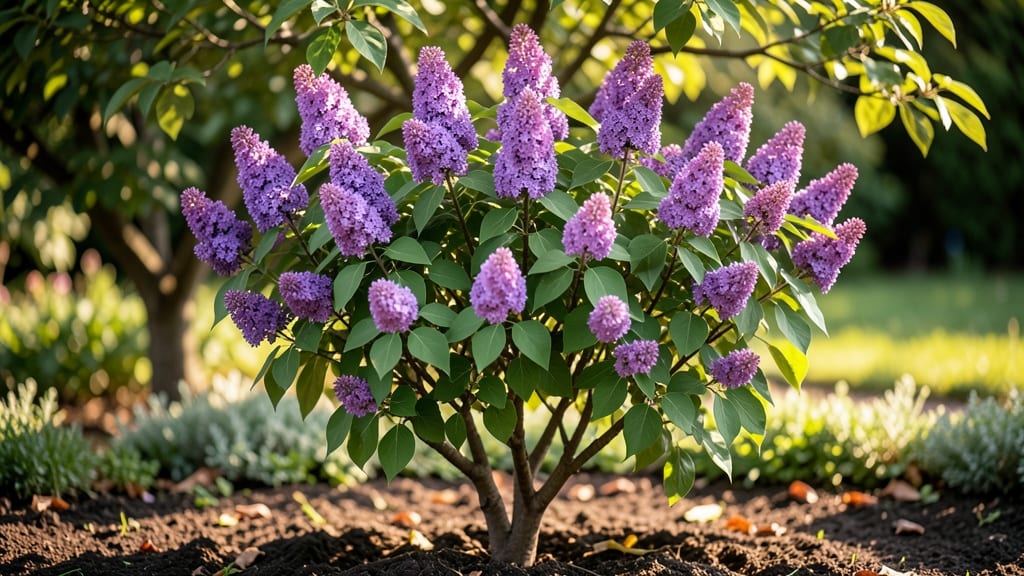
Most lilacs in Zone 6a burst into color between late April and early May, but that window shifts dramatically depending on whether you’re in the Deep South or up near the Canadian border.
Some early varieties like 'Katherine Havemeyer' can bloom as soon as mid-April, while late bloomers might wait until June. The key? Knowing your exact zone and choosing the right cultivar for your climate.
What if you could push those blooms earlier—or even coax a second flush of flowers later in the season? The secret isn’t just about patience; it’s about pruning at the right time, feeding your shrub just enough, and working with your local microclimate.
I’ll show you exactly how to time your garden visits for peak fragrance, no matter where you live.
Ready to transform your lilac from a "maybe next year" plant into a reliable spring showstopper? Let’s dive into the exact months your lilacs will flower, plus the pro tips to make sure they’re at their absolute best when they do.
Lilac flowering months by USDA Zone: exact timelines for your region
Lilacs are one of the most beloved spring shrubs, but their blooming windows vary dramatically depending on your USDA zone and the specific variety you grow.
In colder northern zones, lilacs often burst into color as early as late April, while southern gardeners may enjoy their fragrance as late as early June. Understanding these timelines helps you plan pruning, enjoy peak fragrance, and even extend your blooms with simple adjustments.
Most lilacs bloom in late spring, but some early varieties can flower as soon as May in Zone 3, while late bloomers in Zone 9 may not peak until June. The key factors influencing timing are chilling hours (cold winter requirements) and warmth accumulation in spring.
Northern gardens need more chilling hours, while southern climates often experience earlier blooms due to milder winters and faster warming.
Pro Tip: If you live in a transitional zone (like Zone 7b), your lilacs might bloom earlier than neighbors in Zone 7a due to microclimates. Pay attention to local frost dates and adjust expectations accordingly.
| USDA Zone | Typical Blooming Window | Early Varieties | Late Varieties | Climate Notes |
|---|---|---|---|---|
| Zones 3-4 | Mid to late May | Early May (e.g., 'Purple Robe') | Early June (e.g., 'Sensation') | Longer chilling needs; blooms delayed until soil warms |
| Zones 5-6 | Late April to early May | Late April (e.g., 'Katherine Havemeyer') | Mid-May (e.g., 'President Lincoln') | Moderate chilling; blooms align with last frost |
| Zones 7-8 | March to April | Early March (e.g., 'Dwarf Korean Lilac') | Late April (e.g., 'Miss Kim') | Milder winters; some varieties bloom twice |
| Zones 9-10 | February to March | Late January (e.g., 'Lilac Beauty') | Early April (e.g., 'Bloomerang') | Minimal chilling; blooms often staggered |
In Zones 3-4, lilacs typically bloom in mid to late May because they require 1,000+ chilling hours below 45°F. Early varieties like 'Purple Robe' may push blooms to early May, while late bloomers like 'Sensation' can extend color into early June.
These northern gardens often see shorter blooming windows—sometimes just 2-3 weeks—due to rapid summer heat.
Gardeners in Zones 5-6 enjoy the longest blooming windows, with lilacs often gracing gardens from late April to early May. The classic 'Katherine Havemeyer' is a reliable early bloomer, while 'President Lincoln' extends the show into mid-May.
These zones benefit from a balance of chilling and warming, making them ideal for lilac cultivation.
Southern zones (7-9) experience earlier blooms due to milder winters. In Zone 7-8, lilacs can start as early as March, with dwarf varieties like 'Dwarf Korean Lilac' leading the way. Some southern gardeners even report reblooming in late summer if pruned correctly.
In Zones 9-10, lilacs may bloom as early as February, with varieties like 'Bloomerang' offering extended color through April.
If you're in a transitional zone (like Zone 7b), your lilacs might bloom earlier than neighbors in Zone 7a due to microclimates. Pay attention to local frost dates and adjust expectations accordingly.
For example, lilacs near a south-facing wall or in a protected microclimate may bloom 2-3 weeks earlier than those in open areas.
Climate Hacks: To push blooms earlier in cooler zones, plant near a heat-absorbing surface like a brick wall. In warmer zones, provide light afternoon shade to prevent premature bud drop. Mulching with organic matter also helps regulate soil temperature for consistent blooming.
Remember that pruning timing affects next year's blooms. Prune lilacs immediately after flowering to encourage strong growth for the following season. Avoid heavy pruning in fall or winter, as this can reduce next year's blooms by 30-50%.
Now that you know the exact blooming windows for your zone, mark your calendar for peak fragrance and plan your garden visits accordingly. With the right variety and care, you can enjoy lilacs from February to June, depending on where you live!
Top 5 lilac varieties and their unique blooming seasons
Not all lilacs bloom at the same time—and that’s what makes them so fascinating! If you’ve ever wondered why your 'Syringa vulgaris' blooms in May while your friend’s Dwarf Korean Lilac puts on a show in June, the answer lies in their unique genetic traits.
Some varieties even reward you with reblooming later in the season if you play your cards right. Let’s explore the top 5 lilac varieties and their exact flowering windows, so you can plan your garden visits for maximum fragrance and beauty.
The common lilac (Syringa vulgaris) is the classic choice for most gardens, but its blooming time can vary by 2-3 weeks depending on your USDA zone. In Zone 5, expect flowers in late May, while Zone 7 gardeners typically see them in early May.
What sets this variety apart is its intense fragrance, which can fill an entire yard with its sweet, intoxicating scent.
Here’s how these 5 standout varieties compare in terms of blooming seasons, fragrance, and reblooming habits—so you can pick the perfect one for your garden’s timing and style.
| Variety | Blooming Season | Fragrance Intensity | Reblooming Habit | Mature Height |
|---|---|---|---|---|
| 'Katherine Havemeyer' | Mid-April to early May (earliest bloomer) | Very strong, sweet | No (single flush) | 6-8 feet |
| 'Syringa vulgaris' (common lilac) | Late May to early June | Strong, classic | No (unless pruned for rebloom) | 8-15 feet |
| 'Dwarf Korean Lilac' (Syringa meyeri) | June to early July (late bloomer) | Moderate, delicate | Yes (often reblooms) | 3-5 feet |
| 'President Lincoln' | Late May to early June | Very strong, spicy | No (single flush) | 6-8 feet |
| 'Bloomerang Lilacs' (e.g., 'Bloomerang Beauty') | May + September (reblooming) | Strong, sweet | Yes (2 flushes/year) | 6-8 feet |
The 'Katherine Havemeyer' is my go-to for early blooms—its lavender-pink flowers appear as soon as the frost is out of the ground, making it perfect for Zone 4 and colder gardens.
If you’re in a warmer zone like Zone 8 or 9, this variety might bloom as early as March, giving you a head start on spring color. The trade-off? It doesn’t rebloom, so you’ll miss out on a second show later in the season.
For those who love extended blooming seasons, the 'Bloomerang' series is a game-changer. These lilacs deliver their first flush in May and then surprise you with a second bloom in September.
The secret? Special pruning techniques that encourage new growth after the initial flowering. If you’re willing to put in a little extra effort, this variety pays off with double the fragrance and color.
Don’t overlook the Dwarf Korean Lilac if space is limited. This compact shrub thrives in containers or small gardens and blooms later than most, making it ideal for Zone 5-7 gardeners who want color when other lilacs have faded.
Its moderate fragrance and reblooming tendency make it a low-maintenance favorite for patio gardens.
Pro tip: Pair a late-blooming variety like 'Dwarf Korean Lilac' with an early bloomer like 'Katherine Havemeyer' to stretch your lilac season from April through July.
The key is choosing varieties that complement each other—and your local climate. With the right mix, you’ll enjoy lilac blooms for nearly three months straight!
Which variety will you add to your garden? Whether you prioritize early blooms, reblooming, or fragrance intensity, there’s a lilac perfect for your timing and style. 🌸